






Business Focus: E-commerce after the pandemic
The effects of the Coronavirus are still being felt, however, we are not talking about positive cases but about online presence and e-commerce. We continue our Business Focus features and today we are talking about how e-commerce platforms have influenced this 2020 and how they will influence our future.
The importance of e-commerce during and after the pandemic
Author: Erika
During this 2020 we understood how extremely important it is to have an online presence, for any company, even more so for shops. Not only social media but above all e-commerce has also depopulated due to the pandemic. With the forced closure of shops, in fact, many businesses have found themselves having to run for cover and create an online presence very quickly.
The impact that the lockdown has had on the habits of us Italians, but also of the entire world population, is extremely evident. In fact, in recent months, e-commerce has become one of the main channels to buy essential products without having to leave home.
We can in fact see from the data how between February and March 2020 online sales in Italy grew significantly compared to the same period in 2019. The favourite moments for Italians to shop are during the weekend. Precisely because of the coronavirus epidemic (COVID-19), on 8 March online sales increased by 90% compared to the same period of the previous year.

Some data
According to the GfK Consumer Panel, almost 4 out of 10 Italian households made their first online purchases in March. While, from the beginning of the year to date, 2 million new online consumers have been registered in Italy (out of a total of 29 million).
Between February and March 2020, online sales in Italy grew significantly compared to the same period in 2019. In fact, compared to the first six months of 2019, the total amount was 700,000 new consumers.
According to a recent survey conducted by Ipsos on the impact of the Coronavirus pandemic on individuals' attitudes and behaviour, in Italy, 31% of respondents said that the frequency of buying goods online has increased. On the other hand, almost half of the respondents stated that their frequency of online purchases has not changed at all.
Thanks to the COVID-19 pandemic, online retail platforms experienced an unprecedented increase in global traffic between January 2020 and June 2020, even surpassing the Christmas holiday traffic peaks. Overall, retail websites generated nearly 22 billion visits in June 2020, compared to 16.07 billion global visits in January 2020.

In short, having an online shop is now an inevitable option for any business. Moreover, according to analysts, the online commerce sector is the one that will grow the most in the world economy, with an increase calculated up to +55%.
This is precisely the time to equip and invest in digital technologies and focus on digital transformation. Adapting your services to online sales is the smartest move to make at this moment in history.
The cornerstones of a perfect e-commerce
By now we already know that the online consumer is much more demanding and sometimes more suspicious than the classic customer who visits us in the shop. However, user satisfaction is one of the fundamental cornerstones of a good e-commerce. Reliability and quality of service, user-friendly interface and customer service are fundamental points.
In addition, there can be no lack of excellent communication and marketing management specific to an online shop. Japan Italy Bridge not only builds high-level e-commerce but also communicates your brand online on various platforms. In fact, SEO optimization for an e-commerce and brand awareness help to increase sales and the customer's perception of the brand itself.
In particular, communication and marketing are the highest obstacle to overcome but also the focal point for the scope of an e-commerce. Investing in professional translations and a team that follows the social and digital marketing part helps to position your brand on search engines.
What Japan Italy Bridge recommends is to create a multi-channel system that will lead you to a winning e-commerce and increase your sales and revenues. together with that, you may also discover markets that were previously cut out of your sales strategy.

This COVID experience has taught us that we must always be ready for change and differentiate our presence on offline and online platforms. The way we sale our products and the means with which we do this have drastically changed. Virtual retail market has received disruptive effects that no one would have imagined until recently. This has had a major impact on the economy and organisation of many companies. Nowadays it is in fact normal not only to receive take-away food at home, but also other types of materials.
After the experience of the pandemic, it has become crucial to have an online presence. If your company is interested in building an e-commerce or interfacing with the digital audience, you can contact us and find out about our offers.


Business Focus: Social Media during and post the pandemic
Social media has long been an integral part of our lives, but it was during this global pandemic that we discovered how important this medium is.
The importance of social media in pandemic times
Author: Erika
The COVID-19 pandemic has completely turned our lives upside down, not only in terms of health care but especially in our daily routine. If there is anything we have learned from this situation, it is that we must be prepared for whatever the future holds. No goal is realistic, but in our plans, we must try to get as close as possible to what will be the reality.
Many are wondering what the post-COVID-19 world will be like and finding an answer is not easy. But one thing is certain, we must be ready to change and adjust our marketing strategies at any time and digital seems to be the right way to do it.
In this article, we are going to see how COVID-19 has affected the use of social media by companies.
With social distancing, digital and social media have had an impact of considerable intensity. In fact, we have seen a boom not only in messaging and video calling apps, but also all those platforms that have allowed us to make digital events.
Both in our private and working lives, our daily lives have been touched and marked by a change in many habits. However, not all the consequences have been negative.
The famous digital transformation, which was at a standstill in Italy, has accelerated considerably as a result of this global situation. Driven by the impossibility of continuing with the old methods, even the most stubborn brands have surrendered to the digital evolution of communication.
Social marketing strategies are changing

Marketing strategies have changed to adapt to new media and tools, but first and foremost the way companies communicate and relate to clients has changed.
In this pandemic period, the public has changed their needs and companies have had to learn how to relate in an advantageous way. This is why a lot of social media marketing has changed during the pandemic.
Spending much more time at home and bombarded by all this negative news, the public felt the need to feel connected to the world in some way. This is one of the fundamental aspects that has allowed companies to take advantage of the opportunities and offers related to digital transformation.
For those of us who are involved in marketing, you will have noticed that the publication times of the posts have been completely overturned. The COVID-19 has shuffled its cards around a lot, and if you used to prefer to post on socials on specific days during the lunch break, now this period has been extended to all weekdays. Instead, what we call "commuter time" has taken a back seat, so from 5 pm onwards socials are now less popular.
Whereas before the weekend was one of the worst times to publish, now post lockdown on the morning of the weekend has become one of the most sought-after moments.
Most viewed social media during the pandemic
With forced lockdown, TV programmes suspended, news monopolised by Coronavirus news, the public desperately needs entertainment. This has caused audiences to pour into social media, particularly Instagram, YouTube and TikTok in search of distraction. For this very reason, it has become even more crucial to publish at the right time.
The volume of messages sent and received has also changed. Although for some sectors there has been a decrease in the publication of posts, for other companies the volume has remained constant or even increased.
In fact, some companies increased the number of messages addressed to the public during the pandemic. For example, the entertainment sector has increased its social media activities to provide a distraction to citizens already destroyed by social distancing.
Other companies linked to the sport and tourism sectors have been particularly affected by the restriction or suspension of all activities. And it is precisely in these sectors where there has been a decline in communication. However, this was the wrong step to take. It may seem the most logical choice to cut communication-related funds in a time of crisis like this, but in reality, it is one of the most counterproductive gestures a company can make. But we will talk about this in one of our next articles.
Social media as a tool to connect people during the pandemic


Since the beginning of 2020, we have seen how our lifestyle has changed completely by creating new rules for everyone.
In fact, many companies have found themselves having to recalibrate their strategy in light of what has happened. We have asked ourselves many times whether this content is suitable for the current situation, and many times we have found ourselves removing it. In a period like this where people are particularly sensitive to all kinds of messages, it is very important to control what is shared but even more important is to adapt to each situation.
Listening to your clients' requests and feelings and identifying their needs is fundamental nowadays in order to understand how to orient your strategy. The pandemic has created a general climate of terror and for this reason, the public is now looking for positive conversations. People have grown tired of negativity and all this concern about COVID19 and are looking for social distraction.
In March, the number of messages on the topic of helping others increased by 1.174%, culminating in 19.5 million messages during the month. In this period of insecurity, people are trying more than ever to connect and support each other. Social media has become the epicentre of this movement.
In SproutSocial's #BrandsGetReal 2019 survey #BrandsGetReal, it was found that 91% of respondents believe that social networks have the power to connect people, of which 78% would like brands to use social networks to bring them together. This sentiment became even stronger after the pandemic.
Being able to understand what your audience wants and show them that your company has understood this need is the best solution for good communication even in this strange 2020.

Business Focus: The weird world of Japanese web design
Have you ever wondered why Japanese web design is so different from that in the West?
The weird world of Japanese web design
Author: Erika
Japan Italy Bridge offers services for companies and part of our job is to create websites. "What's new" you might say, yes because there are so many agencies like us, but what makes us different from the others? Well, we have the ability to adapt the Japanese style and visual to Western-style and vice versa.
It is very, very important for every company to have a website that represents their brand. However, it often happens that the style and design we use in Italy is not really suitable for the Japanese language and people.

In fact, if we analyze even just visually the Japanese sites, the differences immediately jump out at us.
As we know, in most of the Western world, websites have a simple layout. In fact, compared to the early 2000s, we have replaced the myriad of links with relevant and concise content that quickly leads us to our goal.
However, there is also a different culture in Japan in terms of visual taste. In fact, some websites have changed very little since the early 2000s. In this respect, we can really see how different sites are overloaded with links and information. This is totally inconceivable for a Western eye, while it becomes the norm for a Japanese one.
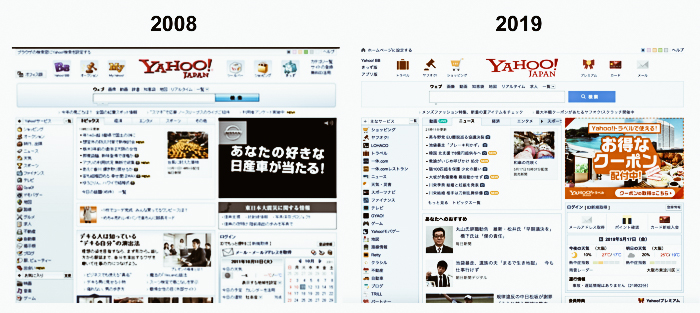
Yahoo was one of the most popular search engines in Japan and still is for many homepages. However, as you can see from the photos, its design and layout have changed very little in the last 10 years.
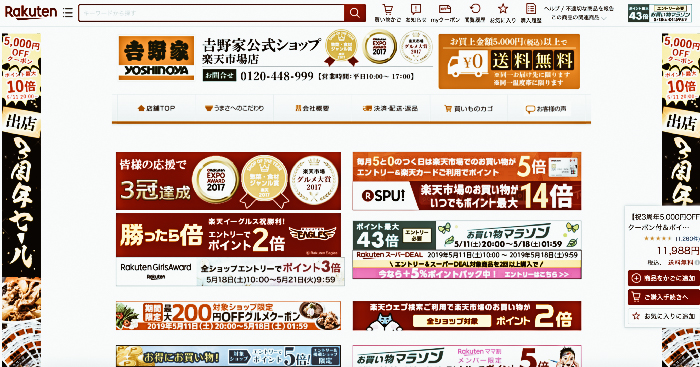
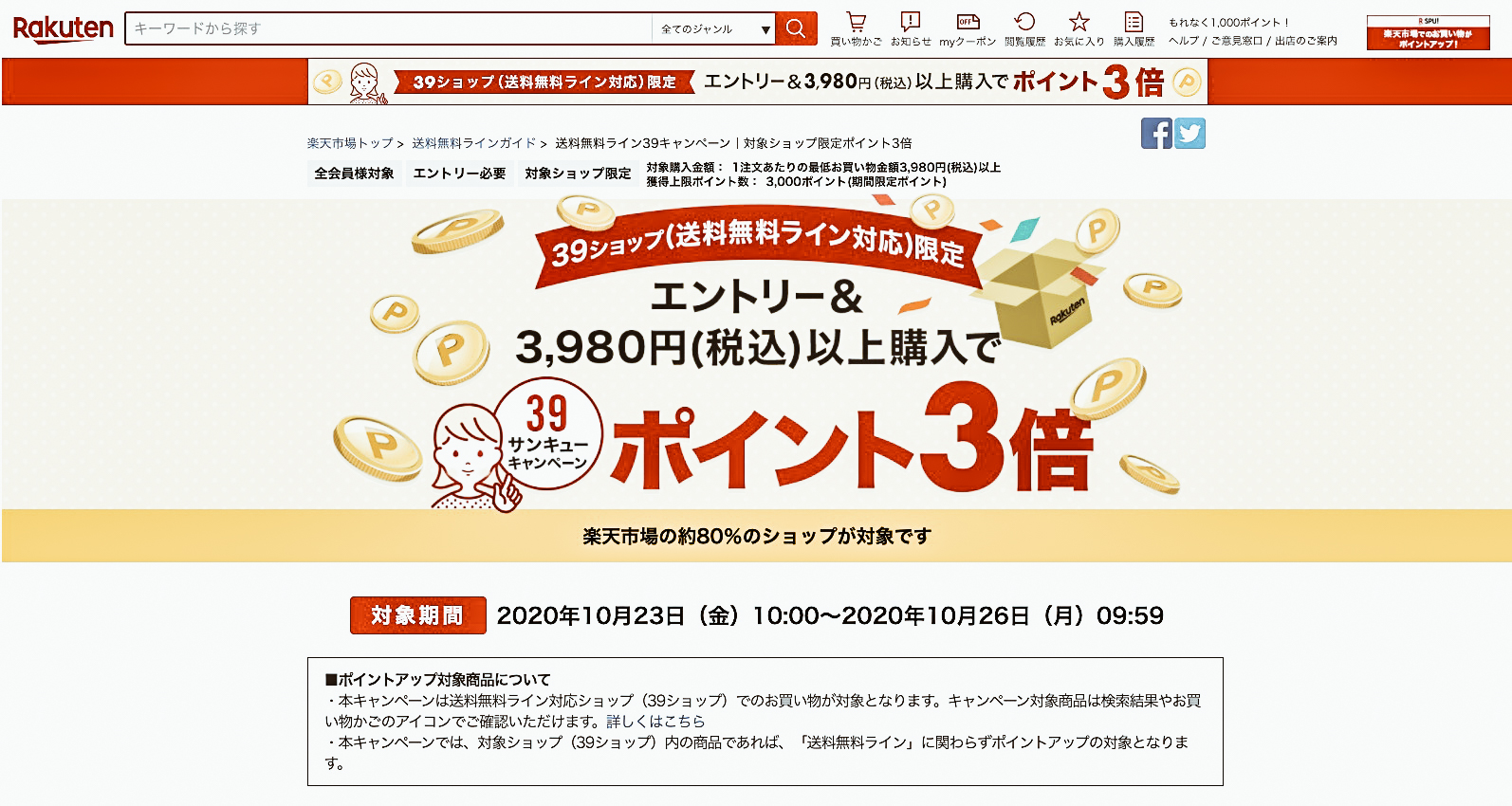
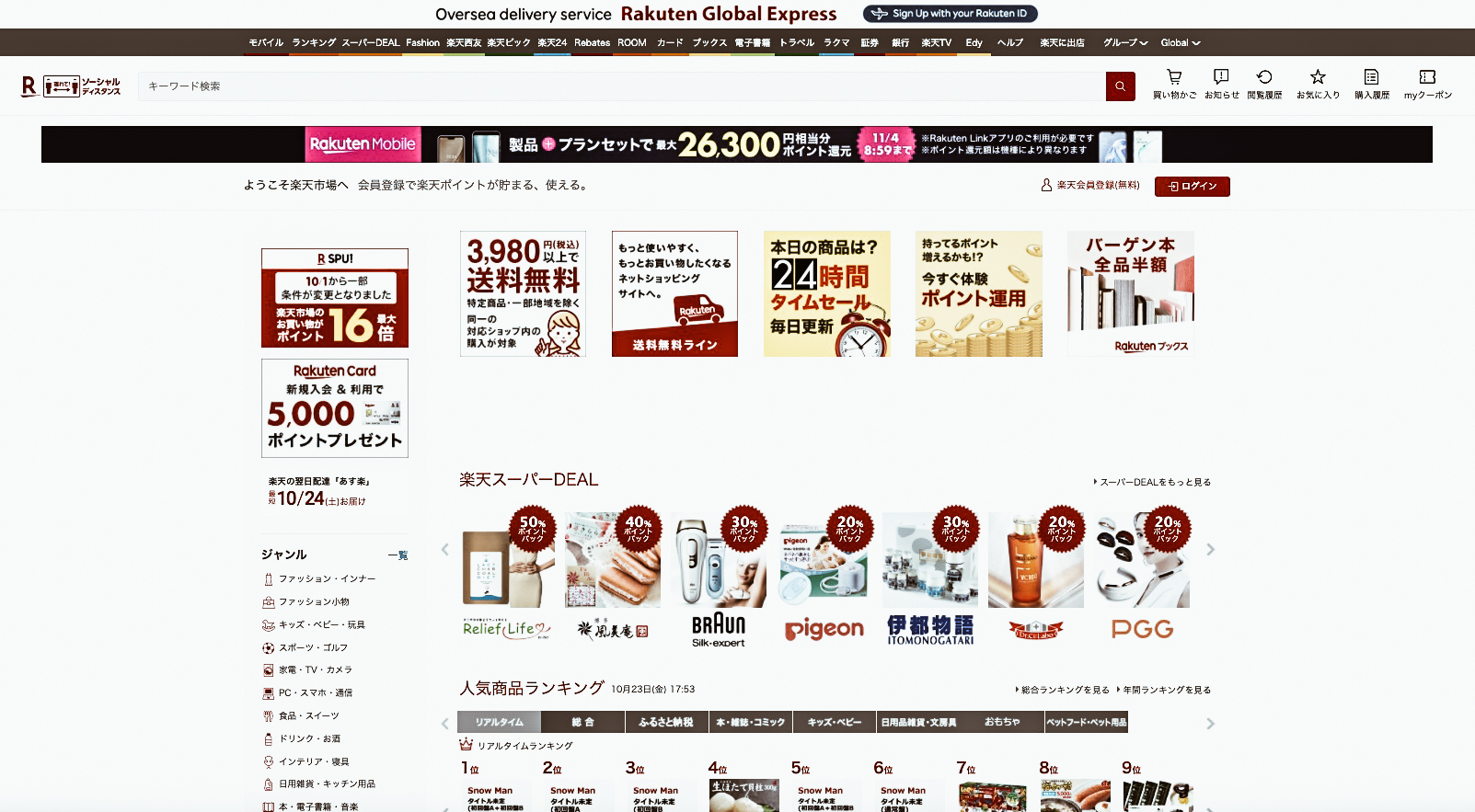
Another example is the homepage of Rakuten, the nation's largest online shopping centre.
Rakuten is the Amazon of Asia and every shopkeeper can customize their own page. This results in a large display of various images, banners and pop-ups on different pages that sometimes take a long time to scroll through.
Why is Japanese Web Design like this?
But here's the real question, why does web design in Japan have to follow these certain canons of style? The answer is simple. The majority of the Japanese people are older users who prefer to maintain the tradition. This also happens in the visual style of how websites are built and experienced.
This makes it complicated for companies to change to a style that we might call more international.
Moreover, most Japanese users use the internet via desktop and not mobile support. So even the biggest websites tend to keep the current design, also not to confuse the end-user.
Another reason why Japanese people prefer this style that we would call "old" is also because of their information culture. In fact, if you have ever been to Japan or seen some pictures of the country, you will have noticed that signs are omnipresent. The Japanese are bombarded with bright neon lights and signs that tell of shops, special offers, and occasions not to be missed. This also transpires on websites where the Japanese people prefer to have all the information immediately.
The LINE Case
When the LINE messaging app (the Japanese equivalent of Whatsapp) decided to change and simplify the layout of their homepage, the Japanese people did not take it very well. In fact, at that time, users went wild with one-star reviews and numerous requests to the company to change to the old design.
Change on the horizon
However, despite the preference for a more traditional approach, some young people in their 20s and 30s have stated that they prefer a more minimalist design.
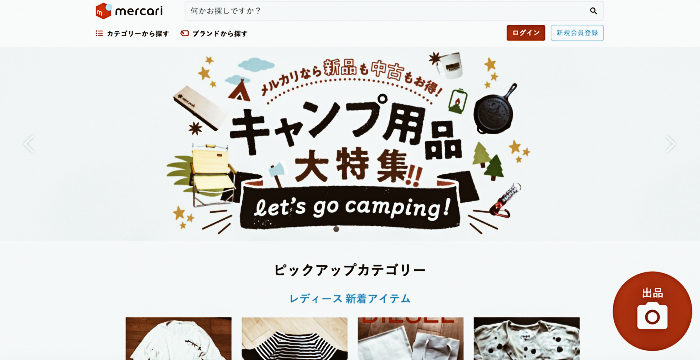
The Mercari case is in fact an example of this. We are in fact talking about a site that offers online auction services with a simple and user-friendly interface. In a short time, Mercari has taken over Yahoo Auctions, the most popular app in Japan for these services.
The history of this brand has shed light on the importance of a good UX layout, encouraging the Japanese to hire new designers on the verge of change.
Japanese companies will have to start adapting to a more modern design not only to be more attractive to a younger audience but also to become more competitive internationally.
If you liked this and our other articles, join our newsletter to receive exclusive updates and many new articles.

Business Focus: Influencer Marketing in Japan, 5 things to know
We have all heard of Influencer Marketing but what are the differences in Japan?
Japan Italy Bridge offers services to companies in the field of Digital Marketing and events. Many Italian companies that have requested our promotion services towards the Japanese market, asked us what are the differences between the two countries regarding Influencer Marketing.
Influencer Marketing in Japan: 5 things to know
Author: Erika
For those who do not know what Influencer Marketing is, we are talking about a branch of marketing that benefits from the use of bloggers and influencers with a specific target audience.
Nowadays, this strategy is one of the most effective methods in most markets, this also applies to the Japanese one. In fact, Influencer Marketing in Japan plays a big role but the rules are different than in Western countries.
Today we share with you 5 differences to help you understand better.

The language barrier
One of the aspects of Japanese social media and therefore also of Influencer Marketing is that everything must be done in their language. Unfortunately, Japan is ranked 49th among the 88 countries and regions in the ranking of English language study and knowledge. A lack of expertise when you think about how much Japanese use social media to get informed and communicate.
Because of this, classic global influencers such as Chiara Ferragni, Cameron Dallas and others are not as influential as they are in other countries accustomed to the English language. In fact, sometimes they are almost unknown even compared to local influencers with fewer followers.
This leads to a big dilemma for companies: to use local influencers or completely ignore the Japanese market? True, the Japanese market is now not as profitable as the Chinese one. However, Japan is ranked 3rd in the GDP world ranking and this is too important to completely ignore this country and its audience.
As said before, it is true, Japanese Influencers have fewer followers than global ones. However, precisely because they speak in a language closely related to the culture of the Rising Sun, this leads them to not have many followers in the rest of the world.
What we can understand from this data, however, is that in this case engagement becomes extremely important. In fact, Japanese influencers are extremely connected to their audience and the interactions far exceed those of the westerners one.
Japanese hashtags require a cultural background
When a company opens to the Japanese market, it must understand the uniqueness of this country and its culture. It is therefore important to work with correct hashtags and use them properly. This will lead us to find the target community that we can approach and get a return on our investment.
Influencers and micro-influencers can be found using hashtags. However, finding the correct Japanese hashtag is not so easy for those who do not speak the language and do not know the culture. Moreover, very often the most common hashtags are neologisms.
For example #インク沼 is a direct translation of "Bottomless Swamp of Ink". Apparently, this doesn't make any sense, except that "Bottomless swamp of something" is an internet slang used a lot by Japanese people to describe when someone is really passionate about something. However, if we take away the cultural background, this hashtag completely loses its meaning.


photo credits: @v_sarasara, @tommy_notes_16 , @mizuki___iz
In addition, Japanese hashtags can often be very complicated for a Western eye to understand. This happens because of the three ways of writing the language, namely the mix of Kanji, Hiragana and Katakana.
So when we use Japanese hashtags, we have to be careful how they are written because the combination of the three ways can bring different meaning. In the language of internet, a hashtag written in a different way also brings different results on an audience level. In fact, this can affect the number of people we might reach.
Influencers in Japan are distributed on different platforms
Even in the West, it is rare that an influencer has the same strength on all the most popular social platforms. Many are popular only on Instagram, others only on Tik Tok or Twitter. This has even more effect in Japan with the presence of some specific platforms for Japanese culture. For example, we have NewsPicks that interfaces with a purely corporate audience. While note is a social dedicated entirely to the content creators such as stories, tutorials, news blogs and especially manga.


The top Influencers and agencies
As it also happens in the West, many Japanese influencers are followed by some agencies when they start to become popular. At the moment, unfortunately, there are few influencers who work freelance. So, if you want to work with an influencer who belongs to an agency, you have to go through the agency itself.
All this has its pros and cons.
Pros.
- Access to major influencers
- You save time in finding the right influencer since agencies like ours cover this part of the work for you.
- The agency negotiates contracts and fees
In this case, the work of the agency therefore becomes a benefit for the company that finds itself having a job tailored to its interests.
Cons.
- Higher costs
- Minor flexibility
- Direct contacts of influencers remain private
Unfortunately, when using an agency you have to comply with the rules of the agency and these vary from agency to agency.


photo credits: @watanabenaomi703 , @rolaofficial
Undisclosed paid posts
Japanese people are very strict when it comes to honesty and transparency. This severity is also applied in Influencer Marketing in Japan. In fact, when paid posts from influencers not reported as such, they tend to be ignored by the public and give a bad impression.
However, there are no direct laws governing the transparency of an Influencer-sponsored post in Japan. In addition, not all influencers are aware of the right way to communicate a partnership.
For a company, it is therefore very important to educate the chosen influencers and not to work randomly to get impressions.
In the West, we now have clear guidelines on the use of sponsorship through Influencer Marketing and these should also be used for collaborations with Japanese Influencers.
If you liked this and our other articles, join our newsletter to receive exclusive updates and many new articles.
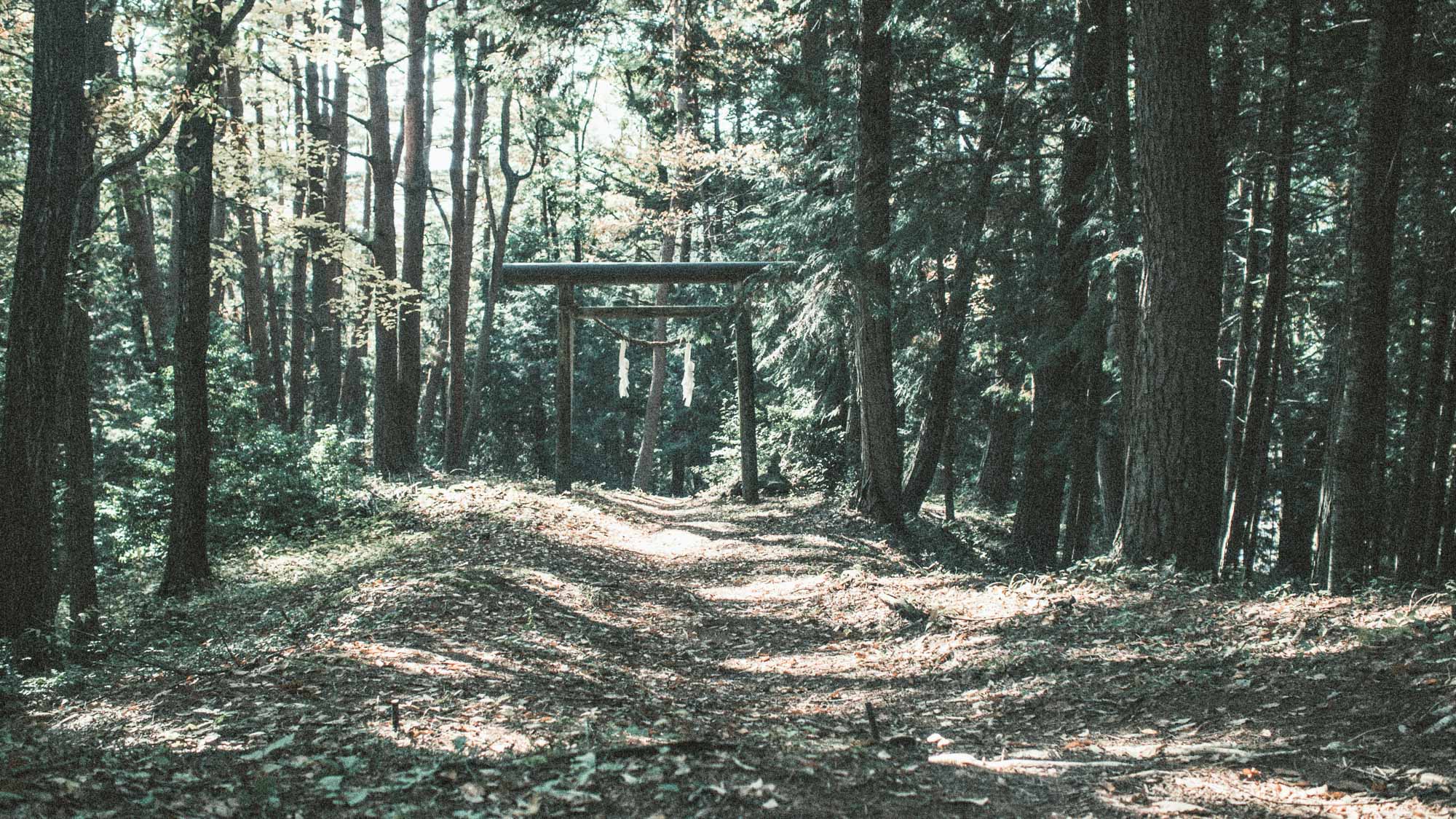
Shinrin-yoku, forest bathing
The Shinrin-yoku so loved by the Japanese is what we call "forest bathing" and can be healing and regenerating. This practice, whose major exponent is Dr. Qing Li of the Nippon Medical School in Tokyo, is also becoming very famous here in the West. But let's see in detail what it is.
Shinrin-yoku, the forest bathing loved by the Japanese
Author: Erika | Source: Tokyo Weekender

One of the world's biggest health trends at the top of the charts, the Shinrin-yoku has become internationally renowned. However, its diffusion dates back to the late 1980s in Japan. In fact, Forest Bathing has for years been considered a true practice of preventive medicine in the land of the Rising Sun. In support of this, there are numbers of researches conducted around the world that have shown how to spend regular periods of time immersed in the quiet of the woods helps to strengthen the immune defences and prevent diseases But what exactly is this about?
What is Shinrin-yoku, Forest Bathing?
Literally, Shinrin-yoku (森林浴) combines the kanji of "forest" and "bath", and is commonly translated as "bath in the forest". Promoted some forty years ago by the Japanese government, Shinrin-yoku consists of walking in the woods and applying special breathing techniques. However, forest bathing activities are not limited to breathing. In fact, whether you stay active or simply decide to take some time to relax in the forest area, this also brings you back to this practice.
First used in 1982, this term was promoted by the Japanese Ministry of Agriculture, Forestry and Fisheries to encourage healthy lifestyles and protect the nation's beautiful natural ambients. Since 1986, the Forsetale Agency together with the Green Civilization Society has indicated more than 100 areas throughout Japan where this concept of bathing is possible. Even today, there are various techniques to keep healthy, but forest bathing is one of those concepts that goes well with Japanese ideology.
In the early 2000s, several universities and research centres conducted experiments to find out how effective this practice was. The various studies were unanimously positive. In fact, it has been shown how spending time between trees reduces stress, improves mood, lowers pulse rate and blood pressure. But not only that, it also increases concentration and creativity as well as strengthening our immune system.
Perhaps sensitivity, and in particular deeply spiritual and historical respect for the natural world, has made this practice thrive in this nation.
Forest Bathing becomes international
Following the strong success achieved in Japan (about 5 million people practice Shinrin-yoku in the country alone), forest bathing has also become very popular internationally. Today, in fact, it has many followers also in the West, the Duchess of Cambridge herself is a fan, as reported by The Guardian. In this regard, in England, many institutions are promoting this practice as a way to relieve daily stress.
One of the leading figures on the subject, Quing Li, president of the Society of Forest Medicine in Japan and author of the book Shinrin-Yoku: The Art and Science of Forest Bathing, commented:
"Shirin-yoku is for all intents and purposes a preventive medicine. People spend most of their lives indoors. In the case of the Japanese it is 80% of the time, and in the case of the Americans it is as much as 90%. But man is made to live outdoors. We are designed to be connected to the world of nature".
You have to try the Shinrin-yoku
Forest bathing is an easy and inexpensive activity. In fact, it can be done at any time, whatever the weather conditions and does not require special equipment or physical fitness. You can build your experience to measure and according to your needs.
In Japan, the Forest Therapy Society is a non-profit organization that identifies areas with forests and pedestrian roads that have been scientifically evaluated. Here you will find a certified "forest bathing effect". Currently, 62 areas have been certified in Japan, each of which offers "forest therapy roads" with wide access paths suitable for quiet walks, some of which are also wheelchair accessible.
In Italy, we find several destinations equipped for forest bathing, first and foremost Trentino Alto Adige. In fact, on the Renon plateau and in Fai Della Paganella, we find nature guides specialized in "balance excursions" and a "Parco del Respiro". It is precisely this region, in the last few years, has put a lot of emphasis on full immersion experiences in nature, including forest bathing.
But that's not all, also in Piedmont within the Zegna Oasis, we find three paths dedicated to forest bathing, which are unique in Europe.
Untranslatable words: Mono No Aware, Shakkei, Hikikomori, Omotenashi, Betsubara
It happened to everyone at least once to surf the internet and find articles about "untranslatable words". In fact, we often discover that every nation has special words with a certain meaning without any correspondence in its own language. Today we at Japan Italy Bridge want to try to summarize those special, unique and sometimes magical words that enclose an entire world.
Untranslatable words: Mono No Aware, Shakkei, Hikikomori, Omotenashi, Betsubara
Author: Sara

photo credits: Unsplash
Untranslatable words: Mono No Aware
The first on the list of our untranslatable words is 物の哀れ, "mono no aware". An aesthetic concept that expresses strong emotional participation in the beauty of nature and human life with a consequent nostalgic feeling linked to its incessant change. So literally we could translate it as "the pathos of things" or "the beauty of the ephemeral".
Mono no Aware finds its roots in the Heian period, but it spread only in the Edo period when the scholar Motoori Norinaga made a careful analysis and criticism of Murasaki Shikibu's "The Tale of Genji" defining it as a perfect example of "mono no aware", the perfect essence of Japanese culture. From this moment on, the creative path of many Japanese artists has had as its pivot this strange and complex concept. In fact, we find extremely sentimental the "transience" of things to take over, both in literary as well as cinematographic works. This leaves that feeling of "lack" for an ending that neither the reader nor the spectator is satisfied with. A sweet sadness and awareness that everything is destined to die slowly (and for this reason it must be loved deeply).
Shakkei
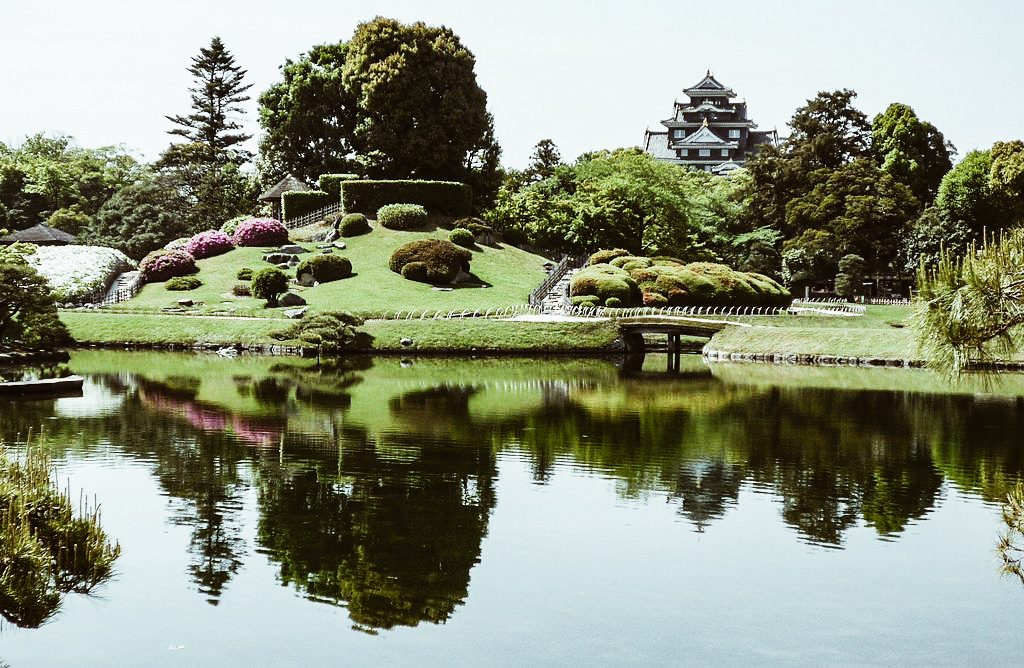
photo credits: wikipedia.org
The second expression we want to analyze is 借景, "shakkei". This time it is a particular technique literally defined as "landscape on loan", i.e. incorporating external elements of the landscape into the composition of a garden, the perfect fusion of the available elements already present with the surrounding aesthetics.
We could say that the whole of Japan refers to the concept of "Shakkei". Everything seems to be exactly in the right place in a harmonious and not shamelessly calculated and studied way. A sort of exaltation of nature as if even skyscrapers were an integral and perfect part of the whole landscape. In reality, however, this expression refers purely to the gardens of East Asia, which gives them the charm we know well. The principles of "borrowed landscape" have their roots in the Sakuteiteki (ancient Japanese gardening treatise), which developed further and further until it reached its maximum popularity during the Meiji and Taisho periods.
Hikikomori

photo credits: emefka.sk
The third word is perhaps among the best known and most "dangerous". We are talking about 引き籠もり, Hikikomori. Today it is a sad social phenomenon that can have extreme consequences and goes beyond mere "isolation". There are people who decide to voluntarily withdraw from social life, seeking extreme levels of loneliness by assuming a deleterious lifestyle both physically and psychologically. Night and day are reversed, direct relationships are often replaced by virtual ones or, in even more extreme cases, none at all. The hikikomori wanders around his room, devoid of any stimuli and this, as is intuitable, are characteristics that distinguish depressed subjects with obsessive-compulsive attitudes.
The first to give a name to this particular phenomenon was the psychiatrist Tamaki Saitō when he observed that the number of those who presented this deep lethargy towards life increased and the characteristics were always the same. Therefore, we can define Hikikomori as a syndrome rather than a word in itself.
Untranslatable words: Omotenashi

photo credits: livingnomads.com
The fourth on the list is お持て成し, "omotenashi". It is really difficult to find an equivalent that can even give an idea of this wonderful concept. We could use the word "hospitality", but it is almost reductive. This word expresses one of the most complex and profound aspects of Japanese culture. Omotenashi is the will to be attentive and take care of others. It also means to give importance to details, to be aware of one's own actions, to have the sensibility to seek harmony and to make others feel good. It was the Buddhist monk Sen no Rikyū who established the principles and good rules of conduct during the famous tea ceremony, an expression of the utmost care towards the guest.
There fore, Omotenashi is a reflection of Japan, the basis on which the behavioural etiquette of the entire country is rooted. Even if it is not said that this sense of "hospitality" is always encountered (the whole world is a country: there are also very unfriendly Japanese!), but you can easily perceive it when you experience it.
Betsubara

photo credits: lickthatspoon.blogspot.com
The last term we will address today is べつばら, "betsubara". It's a word that can make you smile and literally means "separate stomach." This is where all dessert goes when you say you can't eat another bite, but you eat it anyway. It's a bit like when you say, "there's always room for dessert" even though you already feel totally full. Obviously it can be understood for any food you have a weakness for: it can be ramen, sushi, pizza. So everyone has a different "betsubara"! Which one is yours?

Focus on: Nambu ironware
If we think of typical Japanese furniture, we immediately think of an iron teapot, also known as Nambu ironware.
The Nambu ironware and its history
Author: Erika | Source: Tokyo Weekender
Nambu Tekki, or Nambu ironware, is a specific method typical of the city of Morioka in Iwate Prefecture. Created in the middle of the Edo period, this art is named Nambu after the feudal domain of the same name. Modern techniques also use the molten metal produced near Morioka, in Sendai or the present-day town of Oshu.
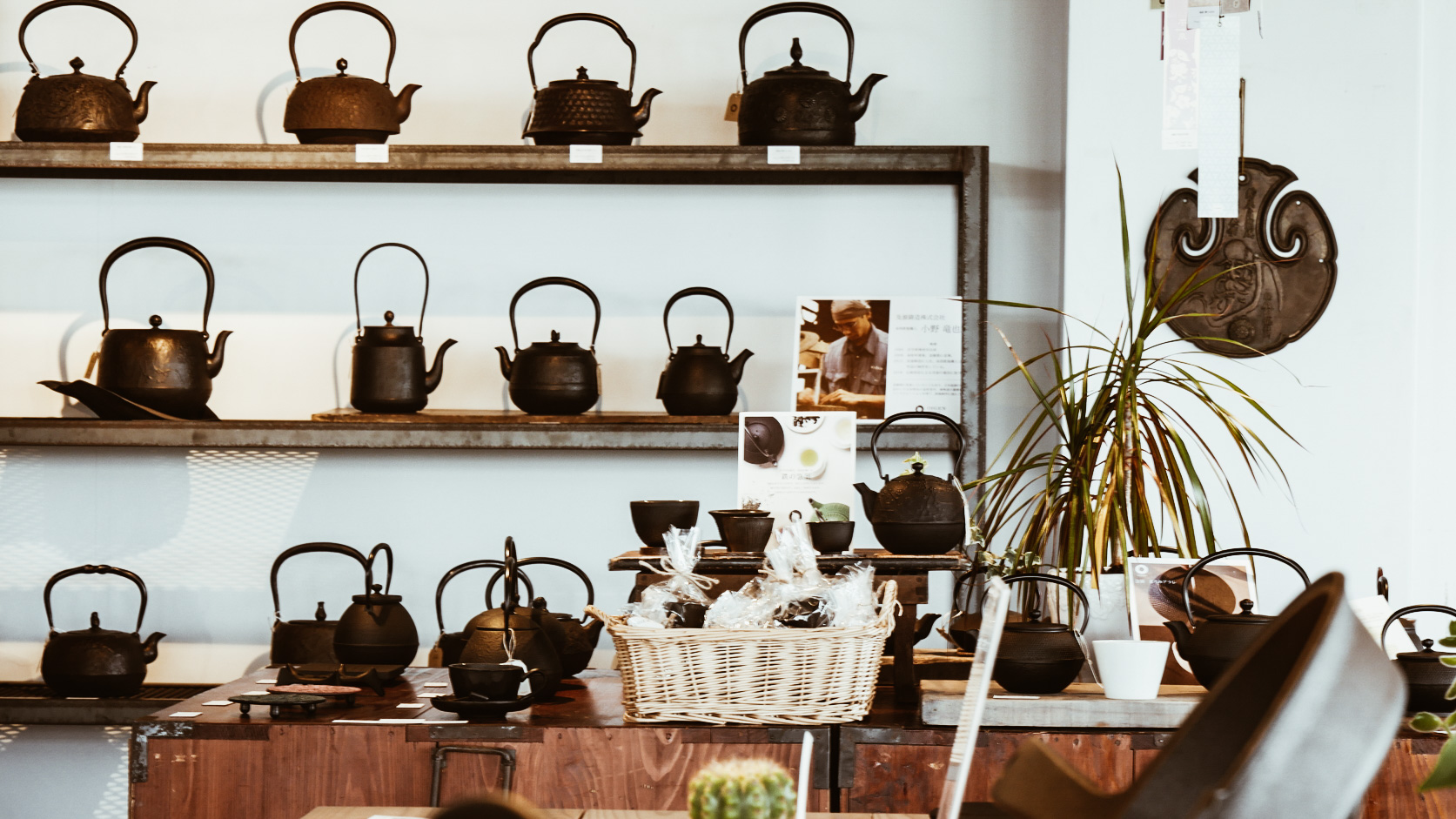
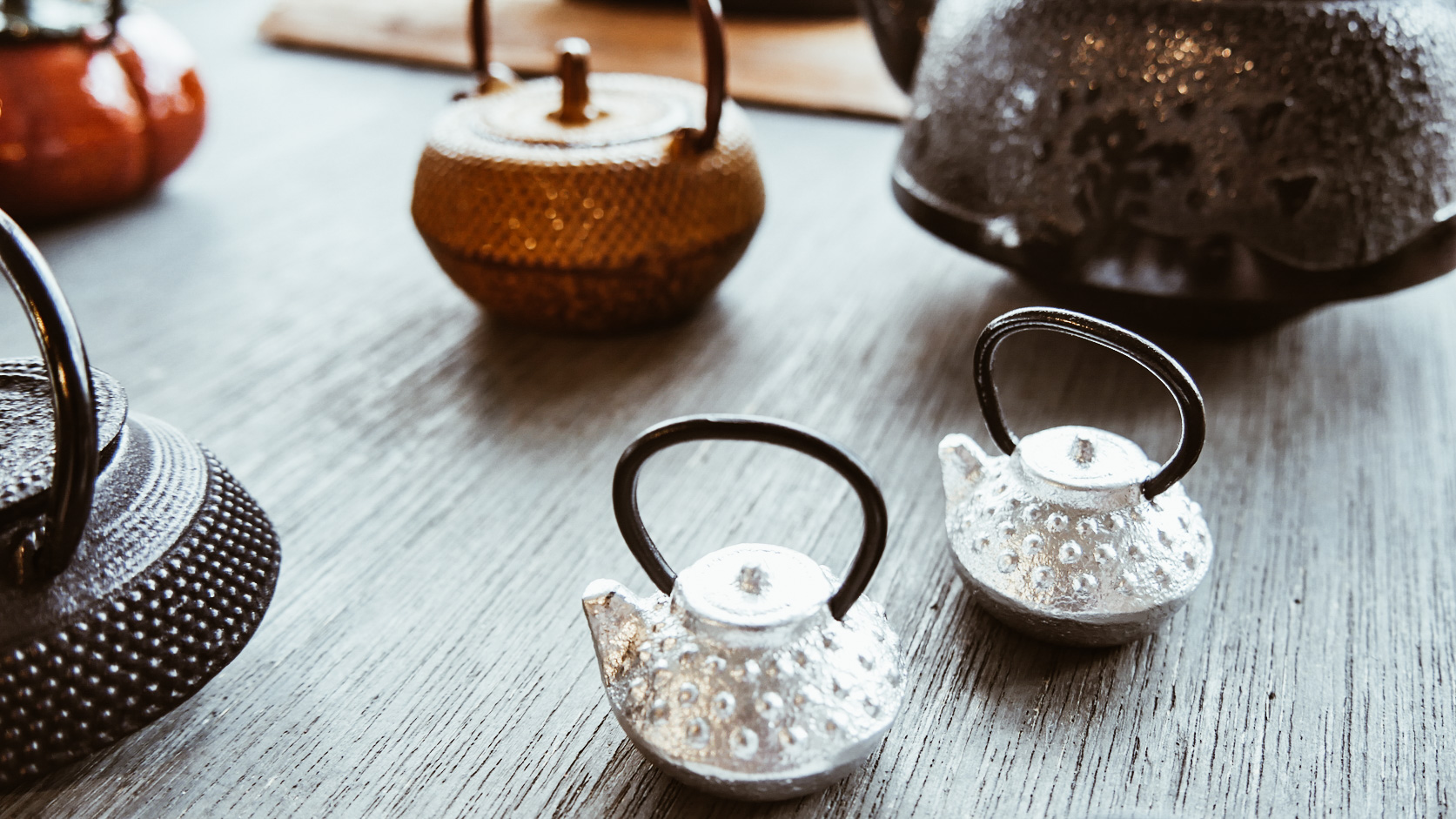
Rust-resistant, durable and well-insulated, these objects provide uniform heat circulation. In fact, the outside of the kettles has an irregular texture called ploughing or hail. This is often used in Nambu ironware dishes and kettles are the representative product. However, the various models change from artisan to artisan because each artist is free to create his or her own model at will.
The History of Nambu ironware
Nambu ironware products sink their history into the production of tableware for the Tea Ceremony during the homonymous domination in the middle of the 17th century. Thanks to the abundance of iron resources, Morioka was a perfect area for the foundry industry.
In fact, in 1659, a feudal lord who wanted to promote the tea ceremony ordered Nizaemon Koizumi to move to Kyoto. It was here, in the area around the castle in Nambu, that the kettles began to be made.
The Koizumi family
Craftsmen par excellence during the Nambu domain, this family launched for the first time the pots used for the tea ceremony. The tea casting technique and control were passed down from father to son. Not only traditional products, but this family was also the focus of innovations for the time. In fact, the famous Nambu Iron Kettle was invented by the third generation of the Koizumi family. The Taisho Emperor himself, who reigned from 1912 to 1926, visited the Tohoku region for this family. In fact, in 1908, on the occasion of the visit, the eighth generation of the Koizumi showed the emperor the production process of these iron tools. This event was so famous that all the national newspapers of the time talked about it. In fact, even today, all the pieces produced in the Morioka and Mizusawa areas in Iwate are still called "Nambu Ironware".
More than just tea
Although the products related to the tea ceremony are the most famous among the Nambu ironware, there are many other items related to the home that can be purchased. In fact, Western kitchen cooks know that one of the best investments you can make is a cast iron frying pan.
However, other Nambu ironware items that are worth buying are the furin (the Japanese windchimes), incense holders, small decorations but also chopsticks holders.
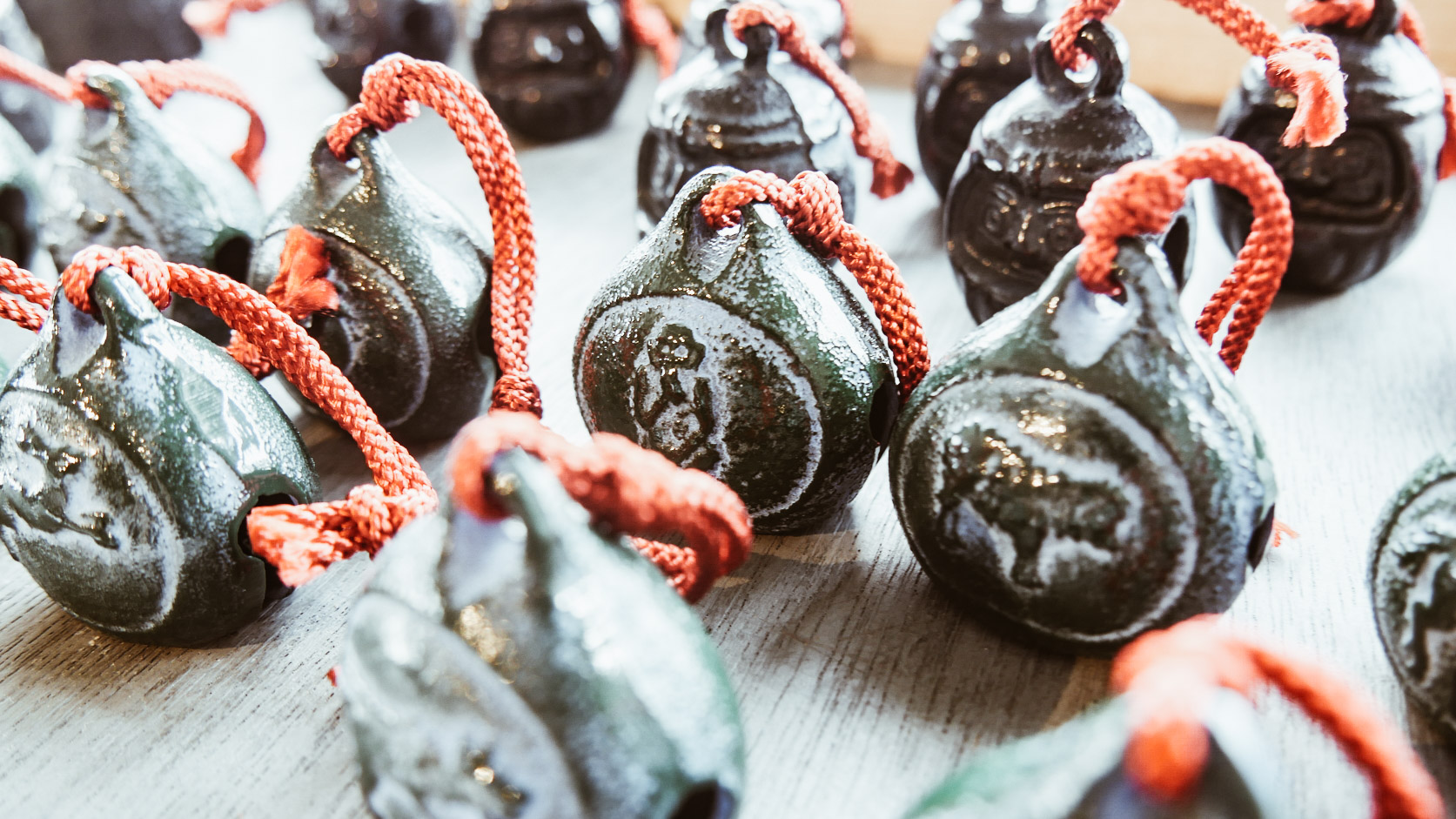
Have you ever bought any of these items or would you like to take some? Let us know in the comments or on our Facebook page!
Nikken Cutlery makes you feel like real samurai
Nikken Cutlery not only decided to explain to you how Oda Nobunaga and the greatest Samurai cut the tags from their clothes, but they also created the way to make you do the same nowadays!
Nikken Cutlery makes you feel like real samurai
Autore: SaiKaiAngel | Fonte: Soranews24.com
In ancient times, the Samurai never left the house without their sword, because they didn't know when they should defend themselves. Nowadays, luckily it's less likely to meet enemies or brigands on the street (hopefully!), but still, the need of having to cut something or open a snack could happen. How nice would it be to be able to open a snack with this set of mini scissors in the shape of the real and historic katana? Enjoy the samurai spirit into everyday life!
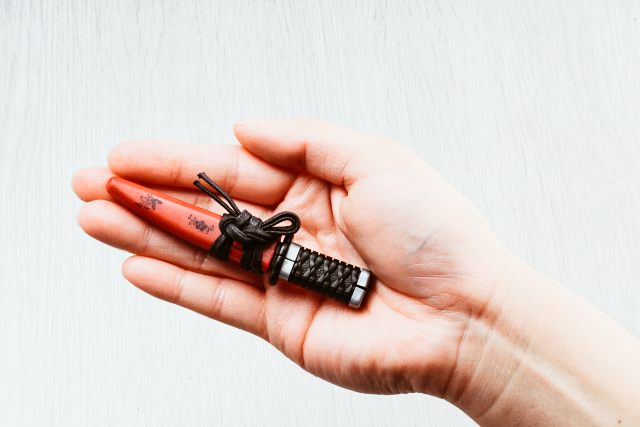

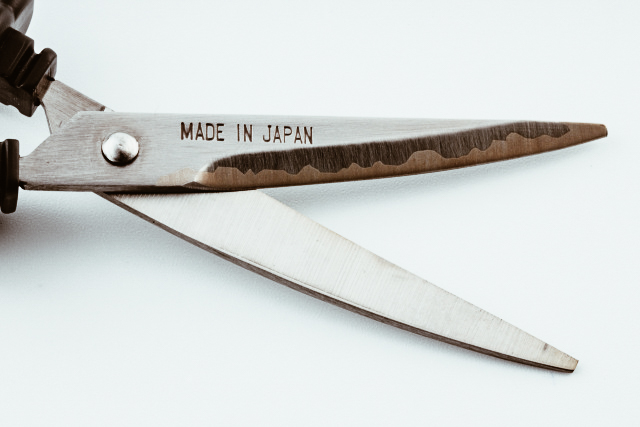
If you look carefully, you can also notice the famous hamon on the metal of these cutters in the shape of a katana, do you know what it is? The hamon (刃 文) is the line of tempering that characterizes the katana obtained through differentiated tempering.
A particular type of "differentiated" hardening between the back and the wire produces a slightly different colour line on the cutting edge, called hamon (刃 文). The shape of the hamon is an identifying sign of the age of the blade and of the author. In fact, the real katana connoisseur, looks at the hamon immediately. Obviously, Nikken Cutlery has also remained faithful to this for these special cutters.


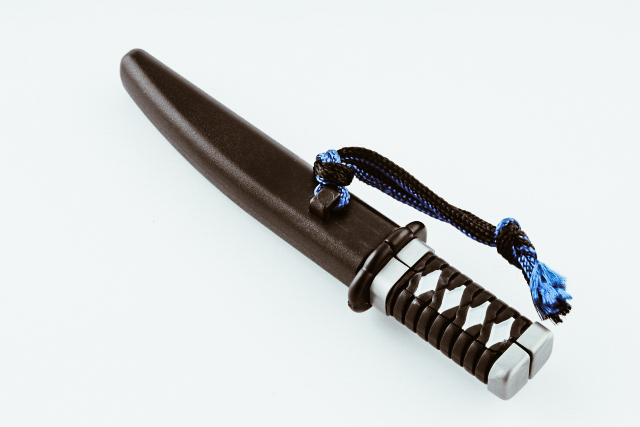
Nikken Cutlery, which is based in the city of Seki in the prefecture of Gifu, offers three models:
- First model: based on the Heshikiri Hasebe, the famous sword of the warlord Oda Nobunaga.
- Second model: Izumi no Kami Kanesada from Hijikata Toshizo, deputy commander of the 19th century Shinsengumi group.
- Third model: it comes from Shinsengumi, in the form of Yamato no Kamiyasusada, the sword of Okita Soji, a member of Shinsengumi.
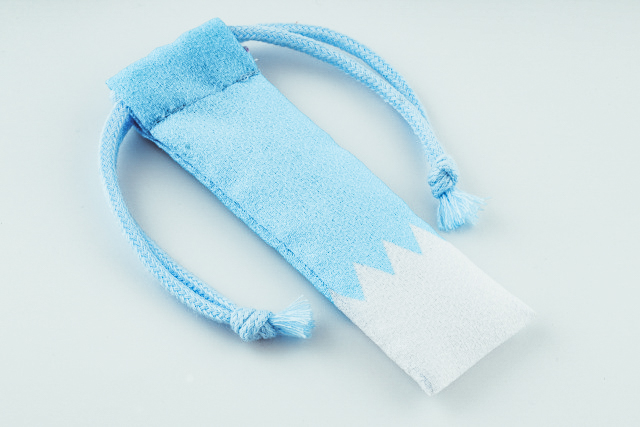
And there’s more! The mini katana is equipped with a mini katanabukuro (the cloth container), with the blue and white Shinsengumi motif for the swords of Hijikata and Okita, or purple for the Nobunaga katanas.

And again! Nikken Cutlery has decided to make you a Samurai also in the office. It’s true, their skills have also expanded in the creation of office tools and we are talking about surprising katana-shaped letter openers with the possibility of personalized engravings. So you want to open the letters like a real samurai? Not a problem thanks to Nikken Cutlery!

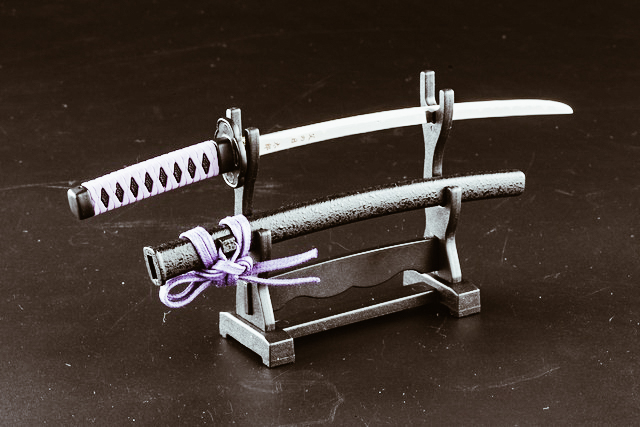
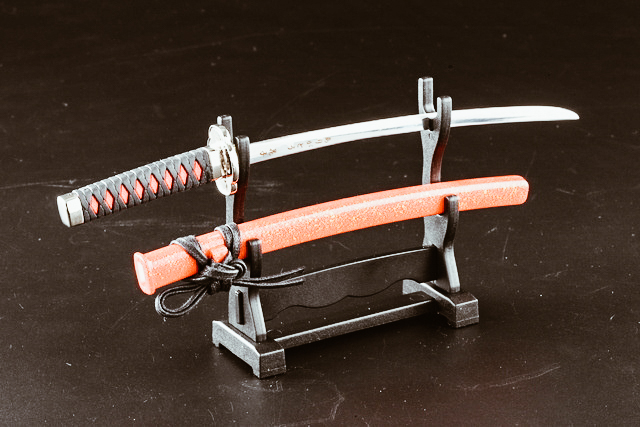
Also here you can choose among three varieties of katana letter openers. Each of them is equipped with support, so you can show your warrior spirit to everyone and with pride!
- First model: "Iron Cloud". Its handle is black and gold, and its sheath seems coated with lacquer since it is a glossy black with golden sparkles.
- Second model: "Scarlet Gold Cloud", with an elegant black and red hilt and a red sheath with splashes of gold.
- Third model: "Black Grains of Rock", which has a purple and black hilt and a black sheath with a rough texture that appears to have been roughly carved from lava rock.
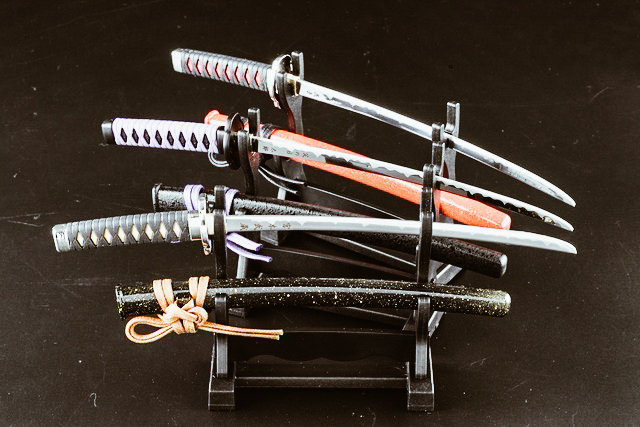
All sheaths are hand-painted by craftsmen, so each of them will be unique, as the blades are always created by Seki craftsmen. Each blade will have a very tapered edge but don't worry, they are specially designed not to cut human skin. It is not a real weapon, be quiet warriors! In addition, the blade is carefully hardened with a heat treatment that uses traditional blacksmith techniques and makes them resistant.
In case you are interested in the very personal engraving, these are made on the blade near the hilt and they can be names, messages, given all within eight kanji, hiragana and katakana characters or 15 Roman letters and numbers including spaces.

Don’t miss the opportunity to dress your day with Japanese tradition, rely on Nikken Cutlery!
For more information on these products: Nikken Cutlery official site | Twitter
