







Contemporary Japanese artists abroad
Japan, like Italy, is a country very attached to art and many contemporary Japanese artists have exported their works abroad.
Contemporary Japanese artists abroad
Author: Sara
Museums, art fairs and expositions have allowed the Japanese contemporary art world to look outwards. At last, even great artists are going out beyond the borders of the Rising Sun. We at Japan Italy Bridge have decided to introduce you to some of the most important contemporary artists who have received worldwide acclaim. We are talking about creatives like Yayoi Kusama, Tatsuo Miyajima, Takashi Murakami, Yoshitomo Nara and Hiroshi Sugimoto. Are you ready for this trip?
Yayoi Kusama

photo credits: wsj.com
Born in Nagano in 1929, Yayoi Kusama is perhaps the best known among Japanese contemporary artists. She began to show her immense artistic talents at the age of 10. The difficult relationship with her mother and trauma that deeply affected her led Kusama to paint her experiences on the canvas. The physical environment and her personality vanished swallowed up by the space that moved at an incredible speed. She also began to draw inspiration from Georgia O'Keeffe and wrote a letter to her. The artist replied and Kusama moved to New York where he began making monochrome paintings that immediately attracted attention.
The early 1960s were certainly not easy for a woman, especially a Japanese woman, and being able to exhibit in galleries was a difficult undertaking. However, she did succeed and became increasingly well known in the field of conceptual art. Her works include attributes of feminism, minimalism, surrealism, surrealism, art brut, pop art and abstract expressionism, all united by the polka dot technique.
Back in Japan, the artist was able to enjoy the success she deserved. Her works were exhibited at the Museum of Modern Art in New York, the Tate Modern in London and the National Museum of Modern Art in Tokyo. Between 1994 and 2012, Kusama collaborated with the musician Peter Gabriel and especially with Marc Jacobs, artistic director of Louis Vuitton. Kusama now lives in the Seiwa Psychiatric Hospital in Japan by personal choice and continues to paint daily in his studio in Shinjuku.
Tatsuo Miyajima

photo credits: smh.com.au
Born in Tokyo in 1957, Tatsuo Miyajima graduated from the oil painting course at the Fine Arts Department of Tokyo National University of Fine Arts and Music. He began experimenting with performance art before moving on to light-based installations.
Miyajima stated that the desire to create more lasting work, in contrast to the necessarily ephemeral nature of his performance and actions, motivated him to start working on sculptures and installations. Using contemporary materials such as electrical circuits, video and computers, Miyajima's highly technological work focused on the use of digital light-emitting diode (LED) counters. These numbers, flashing in continuous and repetitive cycles from 1 to 9, represent the journey from life to death, whose purpose is symbolised by the "0", a number that never appears in her work.
Miyajima has had solo exhibitions at the Ullens Center for Contemporary Art in Beijing, the Miyanomori Art Museum in Hokkaido, and the San Francisco Museum of Modern Art. She has also taken part in the Venice Biennale and numerous group exhibitions, from the Museum of Contemporary Art in Sydney to the Hiroshima City Museum of Contemporary Art. Since 2006 Miyajima has been Vice President of the Tohoku University of Art and Design.
Takashi Murakami
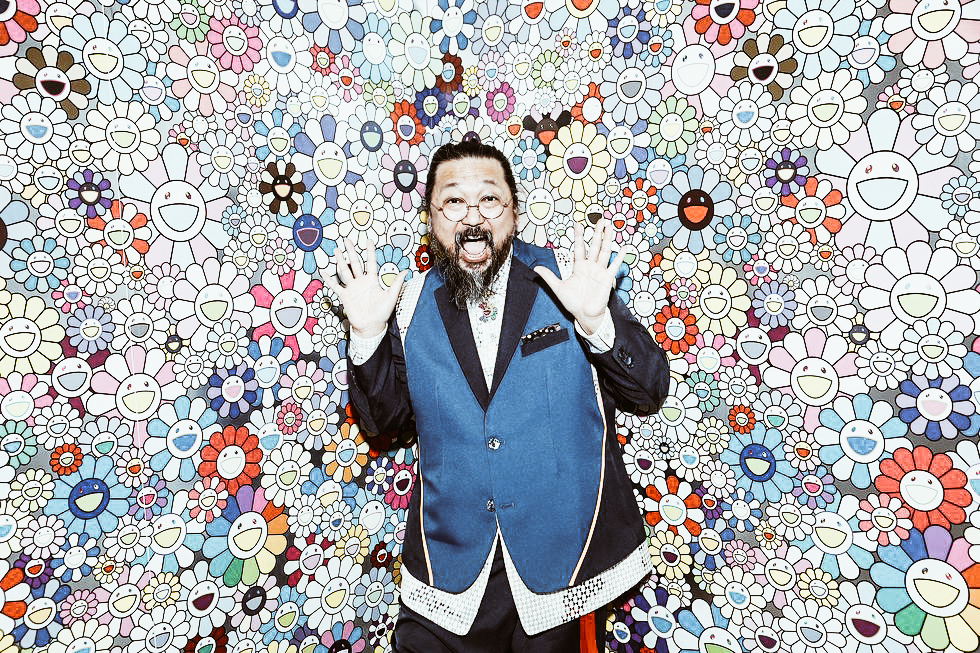
photo credits: crfashionbook.com
Born in Tokyo in 1962, Takashi Murakami began his studies of traditional Japanese painting at Tokyo Geijutsu Daigaku. However, his aspiration was to become a great mangaka. After graduating with a degree in traditional Nihon-ga painting, he won a MoMA PS1 scholarship. He moved to New York enriching his influences with the works of Andy Warhol and drawing inspiration from the production philosophies of film companies such as Disney, LucasFilm and Hayao Miyazaki's Ghibli Studio.
Among the various solo exhibitions, there is one that will mark the birth of a new Japanese art movement: "Superflat". This was the title of the exhibition at MOCA in Los Angeles which became the artist's programmatic and aesthetic manifesto systematically promoting the value of Japanese art independent of Western influences. An art capable of expressing the cultural reality of the new Japan. Superflat in fact mixes otaku elements with Kabuki and jōruri elements, fused and flattened into images with smooth surfaces and brilliant colours in which the aesthetic themes are amplified and exalted.
Murakami collaborated with Marc Jacobs and created the limited-edition Cherry Blossom bag for Louis Vuitton, designing for the occasion a kawaii pattern with the monogram of the fashion company.
Thanks to his aesthetic and entrepreneurial approach to art, Murakami has fully entered the international elite art scene, selling through third party companies, objects destined for the mass market, inventing and promoting the Kaikai Kiki and GEISAI brands.
Yoshitomo Nara

photo credits: scmp.com
Born in Hirosaki in 1959, Yoshitomo Nara studied at the Prefectural University of Fine Arts and Music in Aichi and at the Kunstakademie in Düsseldorf.
Nara is known for his paintings whose subjects are deceptively simple. We find children and animals in pastel colours with cartoon-like features with little or no background that appear both sweet and sinister. They also sometimes wield weapons such as knives and saws and their looks are accusatory. His art is a metaphor that accuses people of attacking the innocence of childhood.
Nara's objective perversions are rooted in Japanese popular culture, but these influences are mixed with those of Eastern and Western society. Her paintings, sculptures, installations and engravings explore the themes of isolation, rebellion, spirituality and religion.
Hiroshi Sugimoto
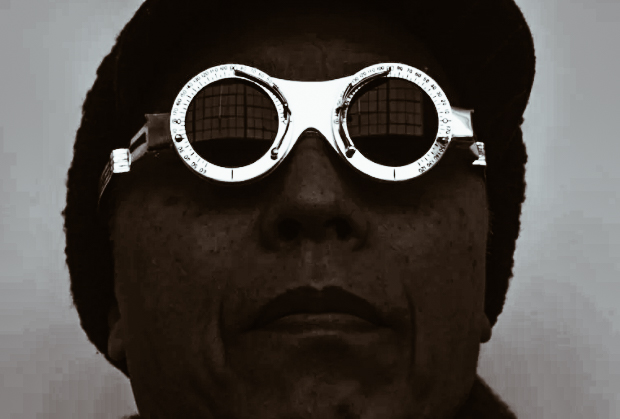
photo credits: artslife.com
Born in 1948 in Tokyo, Hiroshi Sugimoto, after obtaining his Bachelor of Arts degree, moved to Los Angeles to study photography. These studies led him, in the 1970s, to establish himself as one of the most famous contemporary photographers.
His work deals with history and temporal existence, investigating themes such as time, empiricism and metaphysics. Sugimoto has received numerous grants and his works are exhibited in the collections of the Tate Gallery, the Museum of Contemporary Art, Chicago, the Metropolitan Museum in New York and the Guggenheim in New York.
Like many contemporary artists, Sugimoto has collaborated with fashion, this time with the French company Hermès. Sugimoto's colour photos for Hermes' foulards were exhibited in June 2012 at the Museum of Cultures in Basel. During the 2014 Venice Biennale, Sugimoto unveiled his "Glass Tea House Mondiran" at Le Stanze del Vetro on the island of San Giorgio Maggiore.
The art world is full of facets given by continuous inspirations, by the search for the ego, by the need to express profound concepts without the use of words. Which of the contemporary Japanese artists have impressed you the most? Let us know in the comments!

Untranslatable words: Mono No Aware, Shakkei, Hikikomori, Omotenashi, Betsubara
It happened to everyone at least once to surf the internet and find articles about "untranslatable words". In fact, we often discover that every nation has special words with a certain meaning without any correspondence in its own language. Today we at Japan Italy Bridge want to try to summarize those special, unique and sometimes magical words that enclose an entire world.
Untranslatable words: Mono No Aware, Shakkei, Hikikomori, Omotenashi, Betsubara
Author: Sara

photo credits: Unsplash
Untranslatable words: Mono No Aware
The first on the list of our untranslatable words is 物の哀れ, "mono no aware". An aesthetic concept that expresses strong emotional participation in the beauty of nature and human life with a consequent nostalgic feeling linked to its incessant change. So literally we could translate it as "the pathos of things" or "the beauty of the ephemeral".
Mono no Aware finds its roots in the Heian period, but it spread only in the Edo period when the scholar Motoori Norinaga made a careful analysis and criticism of Murasaki Shikibu's "The Tale of Genji" defining it as a perfect example of "mono no aware", the perfect essence of Japanese culture. From this moment on, the creative path of many Japanese artists has had as its pivot this strange and complex concept. In fact, we find extremely sentimental the "transience" of things to take over, both in literary as well as cinematographic works. This leaves that feeling of "lack" for an ending that neither the reader nor the spectator is satisfied with. A sweet sadness and awareness that everything is destined to die slowly (and for this reason it must be loved deeply).
Shakkei
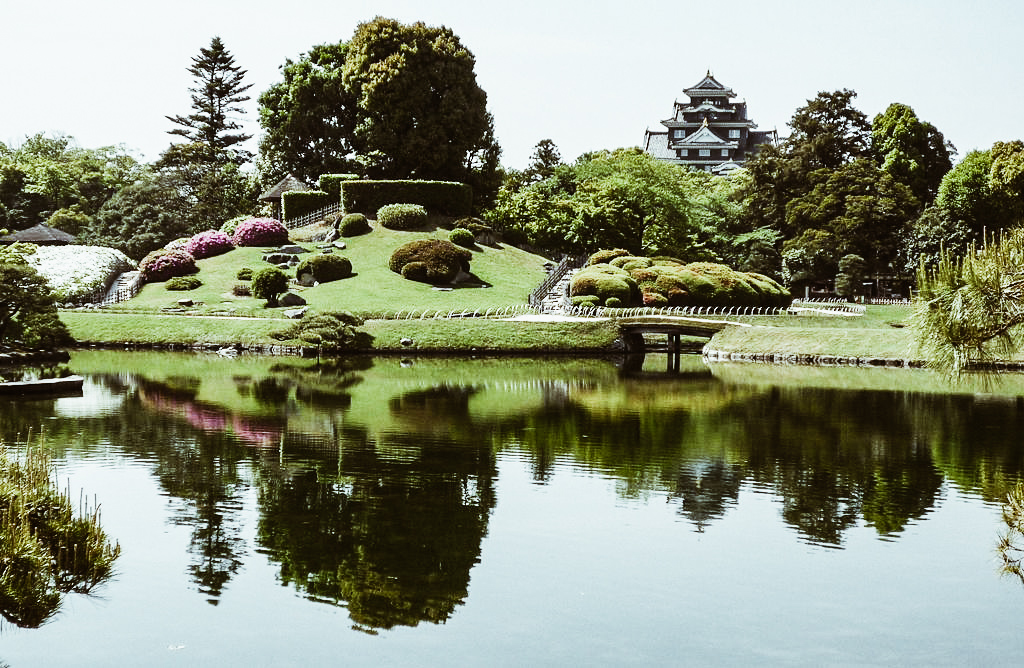
photo credits: wikipedia.org
The second expression we want to analyze is 借景, "shakkei". This time it is a particular technique literally defined as "landscape on loan", i.e. incorporating external elements of the landscape into the composition of a garden, the perfect fusion of the available elements already present with the surrounding aesthetics.
We could say that the whole of Japan refers to the concept of "Shakkei". Everything seems to be exactly in the right place in a harmonious and not shamelessly calculated and studied way. A sort of exaltation of nature as if even skyscrapers were an integral and perfect part of the whole landscape. In reality, however, this expression refers purely to the gardens of East Asia, which gives them the charm we know well. The principles of "borrowed landscape" have their roots in the Sakuteiteki (ancient Japanese gardening treatise), which developed further and further until it reached its maximum popularity during the Meiji and Taisho periods.
Hikikomori

photo credits: emefka.sk
The third word is perhaps among the best known and most "dangerous". We are talking about 引き籠もり, Hikikomori. Today it is a sad social phenomenon that can have extreme consequences and goes beyond mere "isolation". There are people who decide to voluntarily withdraw from social life, seeking extreme levels of loneliness by assuming a deleterious lifestyle both physically and psychologically. Night and day are reversed, direct relationships are often replaced by virtual ones or, in even more extreme cases, none at all. The hikikomori wanders around his room, devoid of any stimuli and this, as is intuitable, are characteristics that distinguish depressed subjects with obsessive-compulsive attitudes.
The first to give a name to this particular phenomenon was the psychiatrist Tamaki Saitō when he observed that the number of those who presented this deep lethargy towards life increased and the characteristics were always the same. Therefore, we can define Hikikomori as a syndrome rather than a word in itself.
Untranslatable words: Omotenashi

photo credits: livingnomads.com
The fourth on the list is お持て成し, "omotenashi". It is really difficult to find an equivalent that can even give an idea of this wonderful concept. We could use the word "hospitality", but it is almost reductive. This word expresses one of the most complex and profound aspects of Japanese culture. Omotenashi is the will to be attentive and take care of others. It also means to give importance to details, to be aware of one's own actions, to have the sensibility to seek harmony and to make others feel good. It was the Buddhist monk Sen no Rikyū who established the principles and good rules of conduct during the famous tea ceremony, an expression of the utmost care towards the guest.
There fore, Omotenashi is a reflection of Japan, the basis on which the behavioural etiquette of the entire country is rooted. Even if it is not said that this sense of "hospitality" is always encountered (the whole world is a country: there are also very unfriendly Japanese!), but you can easily perceive it when you experience it.
Betsubara

photo credits: lickthatspoon.blogspot.com
The last term we will address today is べつばら, "betsubara". It's a word that can make you smile and literally means "separate stomach." This is where all dessert goes when you say you can't eat another bite, but you eat it anyway. It's a bit like when you say, "there's always room for dessert" even though you already feel totally full. Obviously it can be understood for any food you have a weakness for: it can be ramen, sushi, pizza. So everyone has a different "betsubara"! Which one is yours?
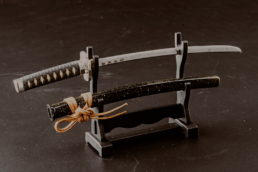
Nikken Cutlery makes you feel like real samurai
Nikken Cutlery not only decided to explain to you how Oda Nobunaga and the greatest Samurai cut the tags from their clothes, but they also created the way to make you do the same nowadays!
Nikken Cutlery makes you feel like real samurai
Autore: SaiKaiAngel | Fonte: Soranews24.com
In ancient times, the Samurai never left the house without their sword, because they didn't know when they should defend themselves. Nowadays, luckily it's less likely to meet enemies or brigands on the street (hopefully!), but still, the need of having to cut something or open a snack could happen. How nice would it be to be able to open a snack with this set of mini scissors in the shape of the real and historic katana? Enjoy the samurai spirit into everyday life!
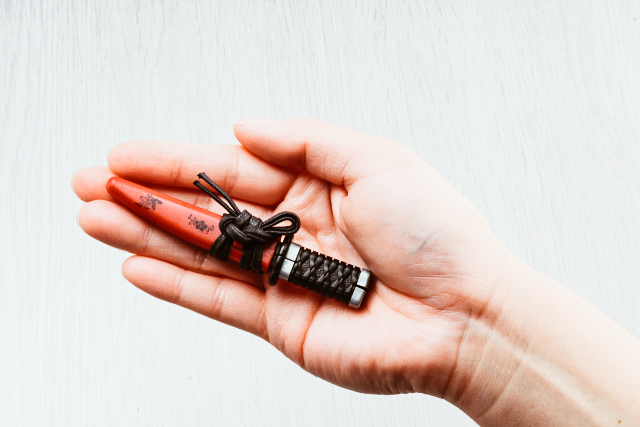

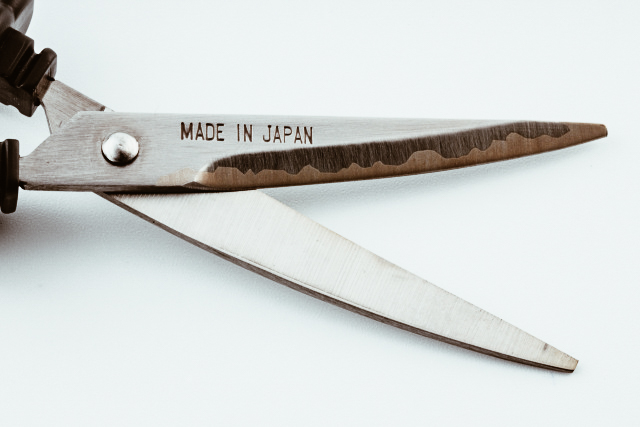
If you look carefully, you can also notice the famous hamon on the metal of these cutters in the shape of a katana, do you know what it is? The hamon (刃 文) is the line of tempering that characterizes the katana obtained through differentiated tempering.
A particular type of "differentiated" hardening between the back and the wire produces a slightly different colour line on the cutting edge, called hamon (刃 文). The shape of the hamon is an identifying sign of the age of the blade and of the author. In fact, the real katana connoisseur, looks at the hamon immediately. Obviously, Nikken Cutlery has also remained faithful to this for these special cutters.


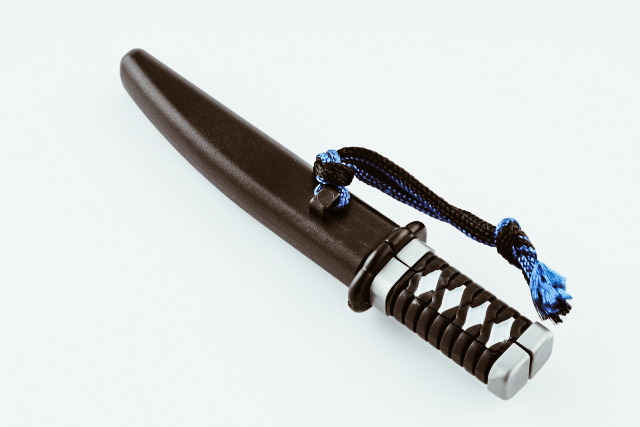
Nikken Cutlery, which is based in the city of Seki in the prefecture of Gifu, offers three models:
- First model: based on the Heshikiri Hasebe, the famous sword of the warlord Oda Nobunaga.
- Second model: Izumi no Kami Kanesada from Hijikata Toshizo, deputy commander of the 19th century Shinsengumi group.
- Third model: it comes from Shinsengumi, in the form of Yamato no Kamiyasusada, the sword of Okita Soji, a member of Shinsengumi.
And there’s more! The mini katana is equipped with a mini katanabukuro (the cloth container), with the blue and white Shinsengumi motif for the swords of Hijikata and Okita, or purple for the Nobunaga katanas.


And again! Nikken Cutlery has decided to make you a Samurai also in the office. It’s true, their skills have also expanded in the creation of office tools and we are talking about surprising katana-shaped letter openers with the possibility of personalized engravings. So you want to open the letters like a real samurai? Not a problem thanks to Nikken Cutlery!

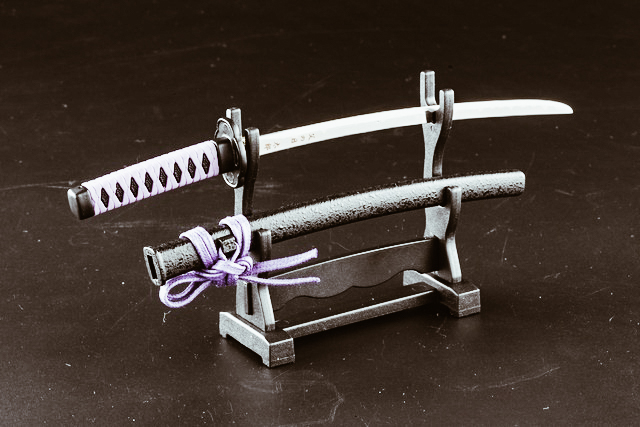

Also here you can choose among three varieties of katana letter openers. Each of them is equipped with support, so you can show your warrior spirit to everyone and with pride!
- First model: "Iron Cloud". Its handle is black and gold, and its sheath seems coated with lacquer since it is a glossy black with golden sparkles.
- Second model: "Scarlet Gold Cloud", with an elegant black and red hilt and a red sheath with splashes of gold.
- Third model: "Black Grains of Rock", which has a purple and black hilt and a black sheath with a rough texture that appears to have been roughly carved from lava rock.
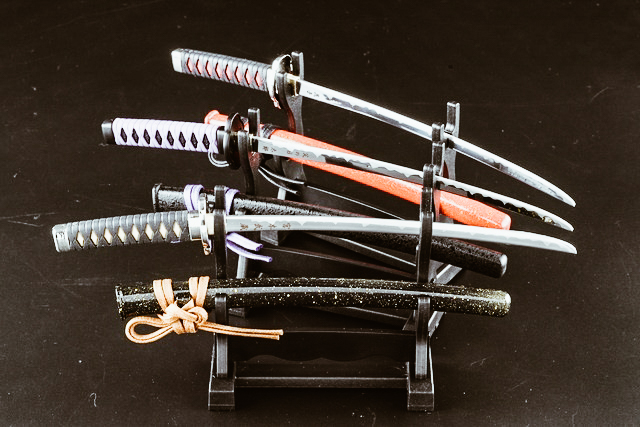
All sheaths are hand-painted by craftsmen, so each of them will be unique, as the blades are always created by Seki craftsmen. Each blade will have a very tapered edge but don't worry, they are specially designed not to cut human skin. It is not a real weapon, be quiet warriors! In addition, the blade is carefully hardened with a heat treatment that uses traditional blacksmith techniques and makes them resistant.
In case you are interested in the very personal engraving, these are made on the blade near the hilt and they can be names, messages, given all within eight kanji, hiragana and katakana characters or 15 Roman letters and numbers including spaces.

Don’t miss the opportunity to dress your day with Japanese tradition, rely on Nikken Cutlery!
For more information on these products: Nikken Cutlery official site | Twitter

The Animal Crossing Phenomenon
As we already know, Japan is a land of trends that come and go, but the recent Animal Crossing phenomenon has involved the whole world, and we're not just talking about the gaming one.
Animal Crossing, Nintendo's worldwide phenomenon
written by: Sara
When it comes to writing about video games in our blog, I'm always strongly questioning whether or not to do so because there are myriad titles from the Rising Sun worthy of note! This time, however, we couldn't help but wonder: the video game in question has really won everyone over, especially during the quarantine period with its simplicity, its "chill" mood and its bright colors. Yes, I'm talking about Animal Crossing!
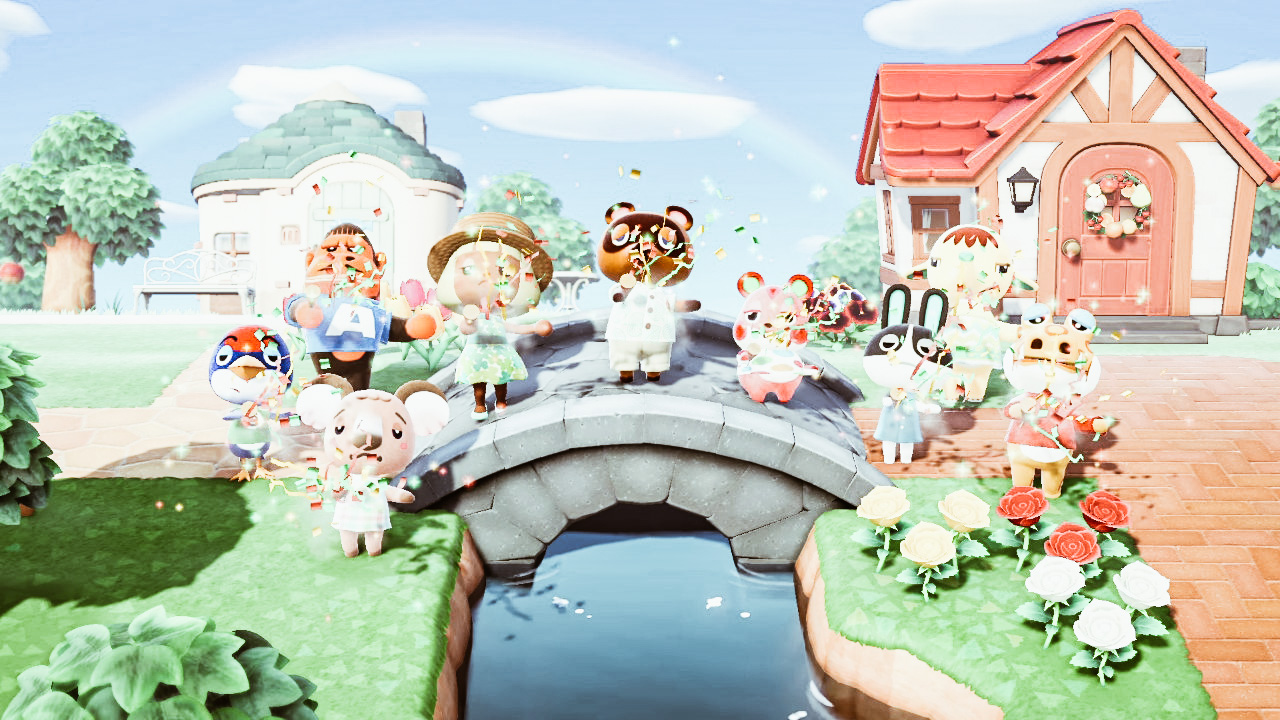
photo credits: gamereactor.it
The various versions
The Japanese title どうぶつの森 (Doubutsu no Mori) literally means "Animal Forest" and was developed for Nintendo by game designer Hisashi Nogami back in 2001 and quickly became one of the most popular video games ever. At its first release, in fact, there were several editions such as Animal Crossing: Wild World, Animal Crossing: Let's Go to the City, Animal Crossing: New Leaf and the very recent Animal Crossing: New Horizons; in addition to cute spin-offs such as Animal Crossing: Happy Home Designer and Animal Crossing Pocket Camp, the latter available for Android and iOS.
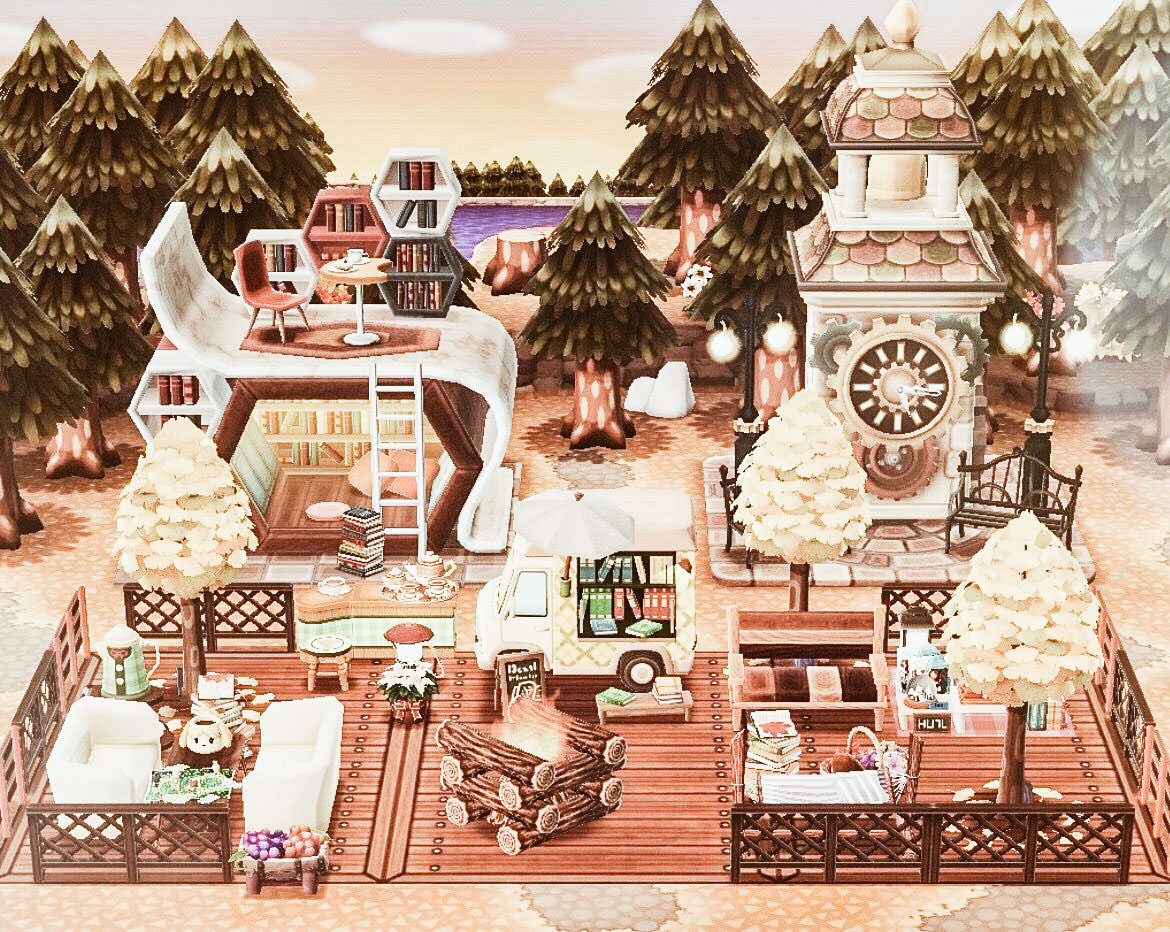
photo credits: pinimg.com
Simulator of life, this game catapults us into a world inhabited by curious anthropomorphic animals with which you can interact. There is no real goal, the strength of the series is to customize your village, collect objects, explore and... relax. In addition, the time flows exactly like that of our reality. The day and night, the seasons, the festivities, alternate following the rhythms of our daily life.
The latest edition of the game, New Horizons, is set in a deserted island, totally customizable thanks to the Terra Forming feature that allows you to let your imagination run wild and recreate environments of the most varied inspiration.

photo credits: twitter.com/ryuryu_12mj
Once you have created your own style, furnished the furniture, invited friends to visit the island etc etc etc what is left to do? Some might say that playability runs out, but it doesn't. In fact, events and updates make New Horizons an endless and fascinating video game where you can celebrate weddings, birthdays and ceremonies of various kinds. Create a party with friends, celebrate holidays such as Christmas, Easter, Tanabata, participate in festivals of various kinds, competitions and surprise events! Once again, Japan has given us something unique. A game to play when the world around us is stifling and hectic or simply when we want to escape, but we can't do it physically.
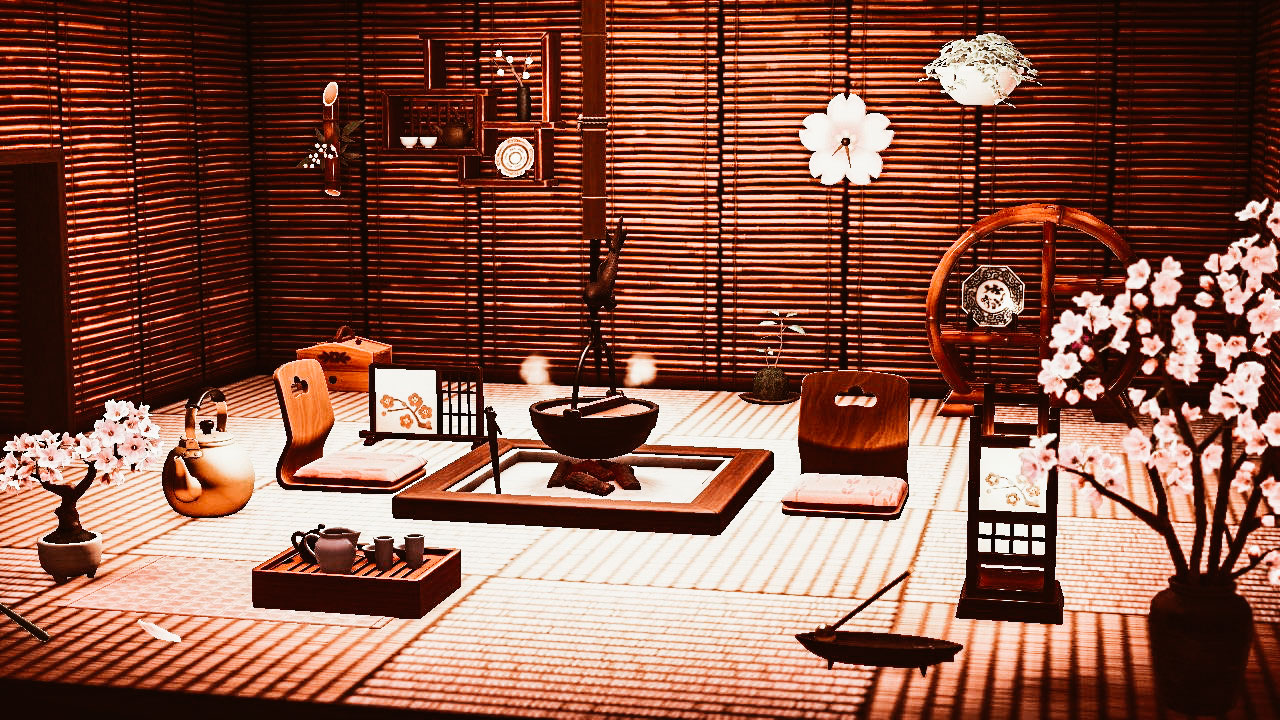
photo credits: twitter.com/opeope1006
All titles in the series are available on the official NINTENDO website.

Lucky charm, directly from Japan
Japan has rich and varied traditions, one of the most famous of which is the one linked to lucky charms or amulets. In fact, o-mamori (お守り) are easy to find and just go to any temple to buy them. But what exactly are they and how are they made?
O-mamori (お守り), amulets brings luck and lucky charm
author: Sara | source: Tokyo Weekender
Lucky charm par excellence, these amulets instil protection precisely because 守り (mamori) means protection/guide. In fact, an auspicious prayer written on paper or wood is then wrapped in a fine silk cloth. Made of different colours depending on the type for which they are intended, these lucky charms represent love, health, luck, money, learning, etc.
Their effectiveness is destined to wear off after a year or to achieve their purpose. In fact, in the end, you should take them where they were purchased so that they are burned in a sacred fire.
The story of the O-mamori
Their history has Shintoist and Buddhist religious roots. In fact, priests thought they could protect people by driving away evil spirits through small pocket blessings. In fact, the strength and protection of the gods were encapsulated here.
Over time the omamori have multiplied, there are many different features and they can be purchased in the sanctuaries and in the times scattered throughout the Japanese territory.
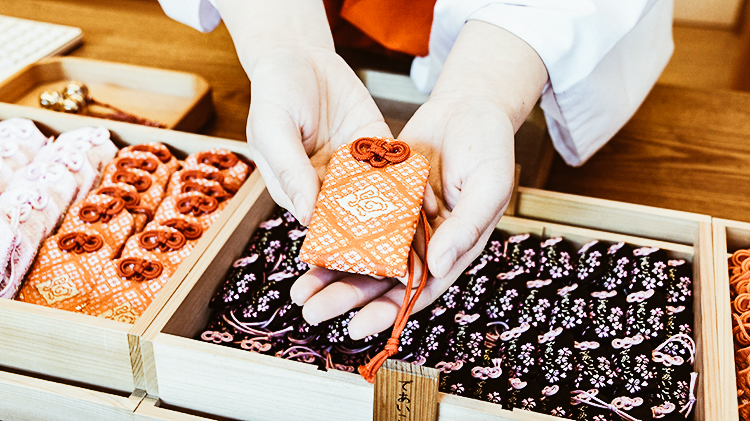
photo credits: web-japan.org
Traditional Omamori: protection for every need
KATSUMORI 勝守, the success
The prayer of this omamori will ensure that the one goal you have set yourselves and to which you are dedicating your energies will be realized.
YAKUYOKE 厄除け, ward off evil
Often achieving a goal can be difficult or even hindered, so this amulet will help prevent potential demons that could inhibit success.
SHOUBAI-HANJOU 商売繁盛, money
Usually of bright yellow colour and shaped like a "bag", this omamori can be more generic and therefore guarantee monetary fortune or more specifically how-to protect investments, savings or good business.
GAKUGYOU-JOUJU 学業成就, education and learning
Encouraging and motivational in studies this omamori is very popular among students and can be seen hanging from their backpacks as a good luck charm for school careers.
KOUTSU-ANZEN 交通安全, a safe journey
Travelling safely is one of everyone's desires and this amulet has become the most loved and popular among those who drive public transport (buses, taxis and aeroplanes). Its function is to make the roads safer and protect drivers and passengers from road and aerospace inattentiveness. In fact, there is its own version dedicated to aeroplanes that takes the name of KOKU-ANZEN.
EN-MUSUBI 縁結び, love
There is little to explain, whether you are single, engaged, married or about to have a baby, these omamori have only one function. In fact, their purpose is to guarantee and strengthen love, give happiness, simplify things, protect the heart.
KAIUN 開運, Fortuna
A general omamori, that of fortune, this one does not dictate guidelines or constraints. It is simply a fortune enhancer, a lucky charm for any choice or occasion.
SHIAWASE 幸せ, happiness
In the wake of KAIUN, SHIAWASE is also a "guarantor of happiness". In fact, this becomes a motivator to improve one's life by remembering the small nuances that can change all points of view.
KENKO 健康, health
This talisman, as it is easy to guess, aims to protect against disease, keep the body healthy and help those who have it to live a long life.
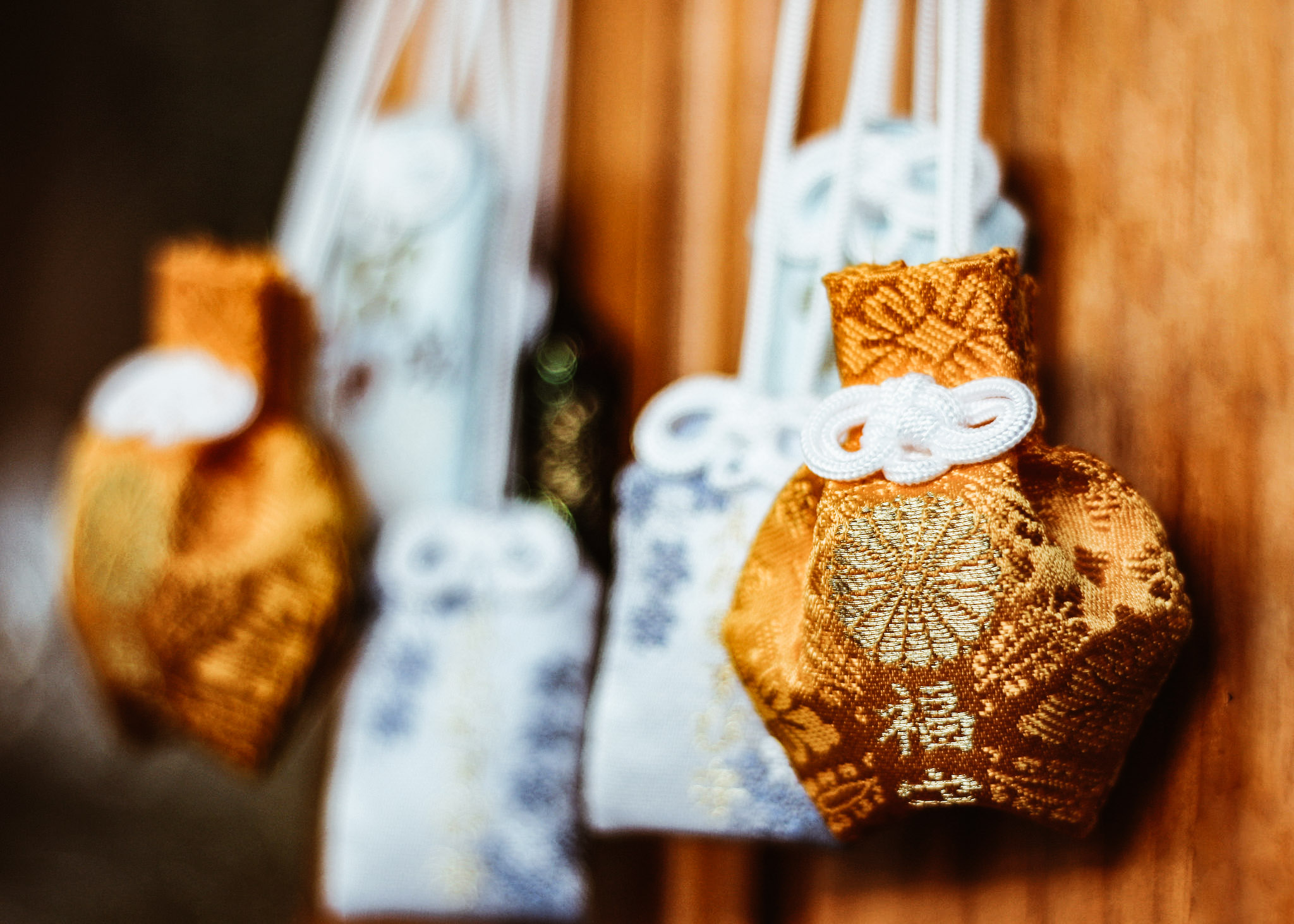
photo credits: Fiona Dawkins
Omamori details: sometimes you have to hit the mark
FROM A LIE TO THE TRUTH
This omamori is very different from what we're used to. In fact, it is made entirely of carved wood and is shaped like a little bird. It can only be found once a year, on January 25th at the Shrine of Yushima and its purpose is to transform all the lies into a song of truth.
THE "ETERNAL" BEAUTY
There is the generic omamori aimed at overall beauty. However, there are also specific omamori to have beautiful legs, or anti-ageing or to have a slimmer waist, beautiful eyes, better skin and much more.
PETS
It's not that hard to find protective amulets for animals! They deserve a special blessing too, don't they?
TECHNOLOGY
It might make us smile at the thought of an amulet that can protect against the pitfalls of the internet or the difficulties of using electronic devices, yet it exists!
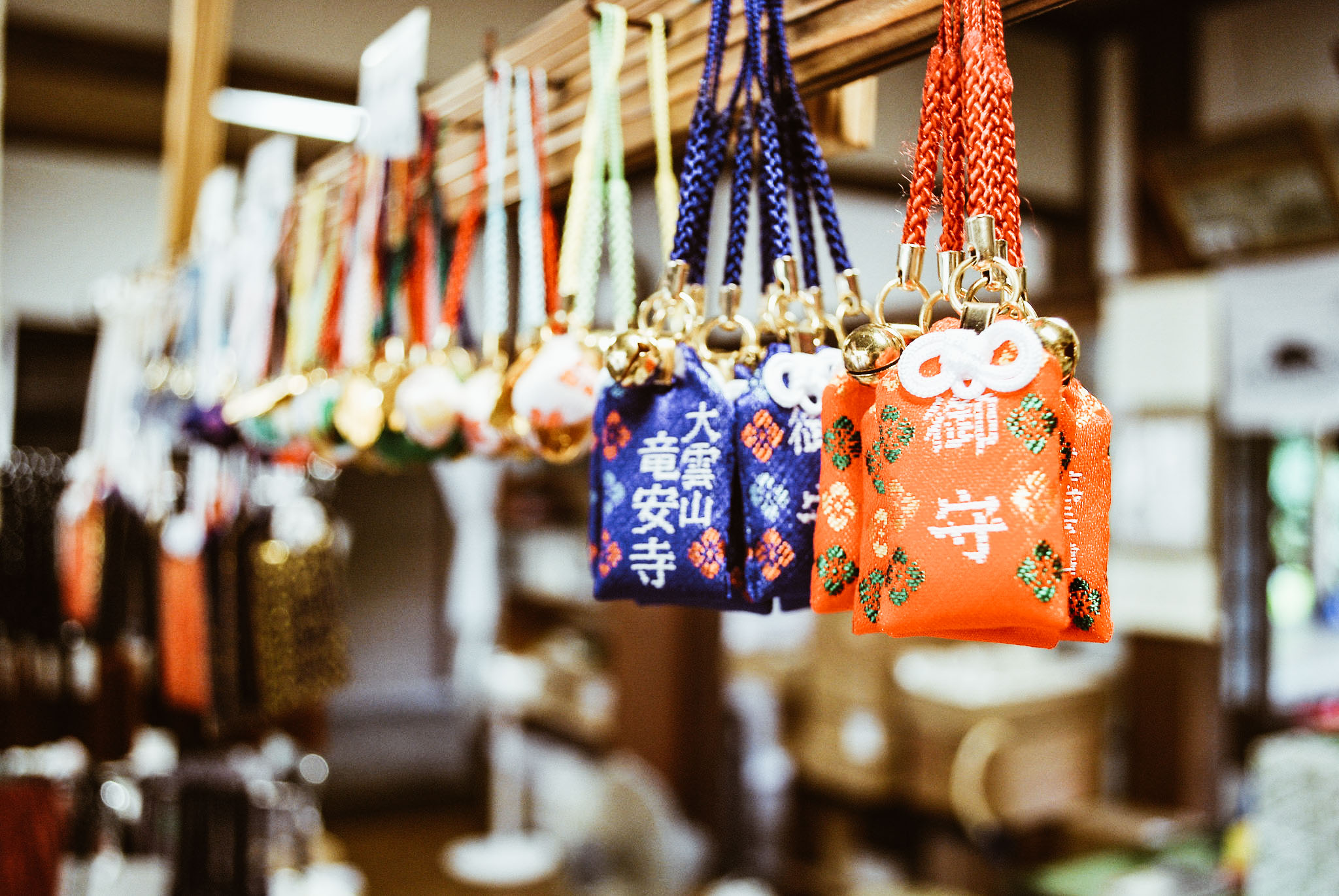
photo credits: Ryuko Studio Mexico
We could say that there is a lucky charm for each of us, unique combinations that probably won't change our existence. However, they are a nice way to wish the good of those we love or simply adorn our objects and means with something that reminds us of our goals.
Things to do during Quarantine: Visit the museums of Japan virtually
Visit every museum in Japan, it's possible but only virtually
written by: Sara | source: Tokyo Weekender
Phase two here in Italy has started but traveling is still impossible, so let's continue our section on things to do in quarantine, and today we talk about how to visit the museums of Japan, virtually.
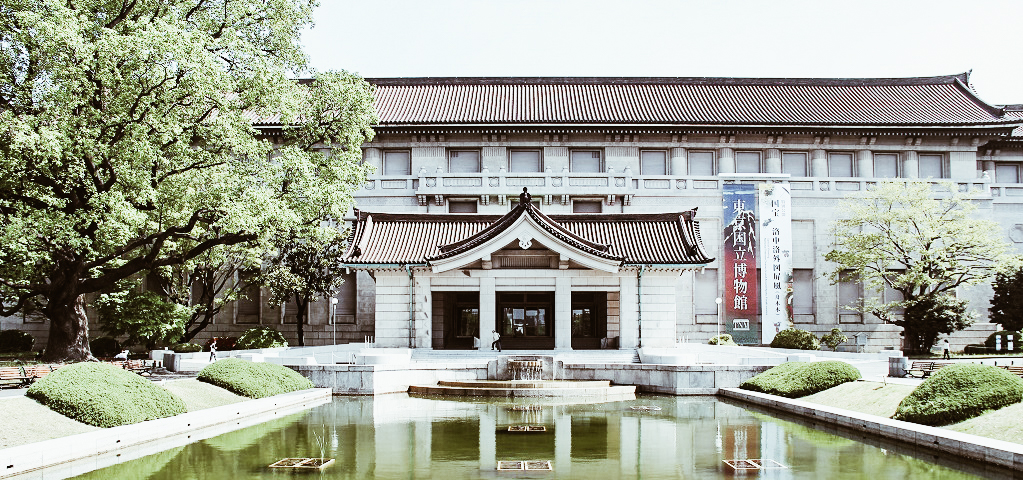
photo credits: https://enjoy.vivi.city/
In an instant, we were overwhelmed by an invisible enemy that has inevitably turned everyone's lives around the world. The spread of the new coronavirus and the pandemic that followed unfortunately led to the closure of many economic sectors, but also places of cultural interest.
The situations are the most varied and we at Japan Italy Bridge want to try not to share sadness, but to give small brackets of leisure to all our readers. In fact, although COVID-19 has deeply affected us all, our mission remains to take you on a journey with us among the wonders of the Rising Sun.
Embracing the slogan #stayathome, the hashtag that has spread in recent months, and thanks to Google Art And Culture and other individual initiatives, Japan has also opened the virtual doors of its wonderful museums and exhibitions, allowing us to visit them comfortably from the living room of our house! The list is very long, but we have selected our favorites. So how about distracting us a bit and starting this virtual itinerary? Between art, fashion, ceramics, and history: let the journey begin!
Chihiro Art Museum
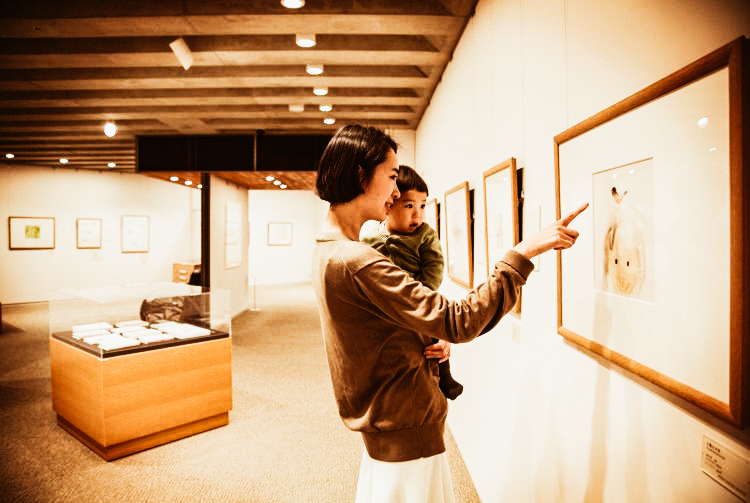
photo credits: gotokyo.org
The Chihiro Art Museum in Tokyo was established in 1977 in honor of the artist Chihiro Iwasaki (1918-1974), famous for his delicate pastel-colored illustration for children. Today this museum also houses exhibits with works by other illustrators from around the world.
Fukuoka Art Museum
Opened in 1979, the Fukuoka Art Museum offers a collection of 16,000 works: tea utensils, Buddhist art, paintings not only local but also famous paintings by Dalì, Mirò, and Chagall.
Fukuoka City Museum
Asian art takes on charm and originality that no other museum in the world will ever be able to offer. In fact, at the Fukuoka City Museum, we find works by artists who "exceed" the standard to create a "contemporary" Asia.
The Keio University Library museum
The Keio university has always been one of Japan's most important and its library includes collections of inestimable value, such as the Gutenberg Bible, ukiyo-e, and over 10,000 rare editions consisting of manuscripts and letters written by leading figures in history.
Kyoto National Museum
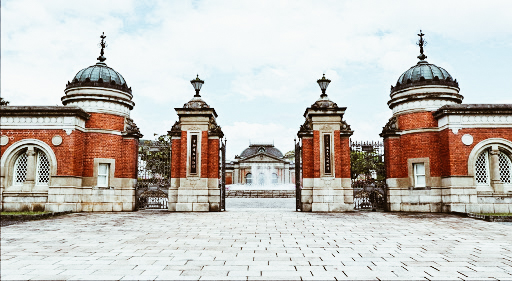
photo credits: intk-token.it
The Kyoto National Museum was opened in 1897 with the name of the Kyoto Imperial Museum. In 2014, the museum opened a new wing, the Heisei Chishinkan, to host exhibits from its vast collections, which include over 12,500 traditional Japanese works of art.
Tokyo National Museum
The Tokyo National Museum exhibits a large collection of works of art and antiques from Japan, from ancient ceramics to prints of the Edo period and works from other Asian countries.
The Kyoto Costume Institute
Japanese fashion has always influenced the world and the Kyoto Costume Institute (KCI) systematically collects and conserves exceptional examples of Western clothing through centuries.
Nagasaki Atomic Bomb Museum
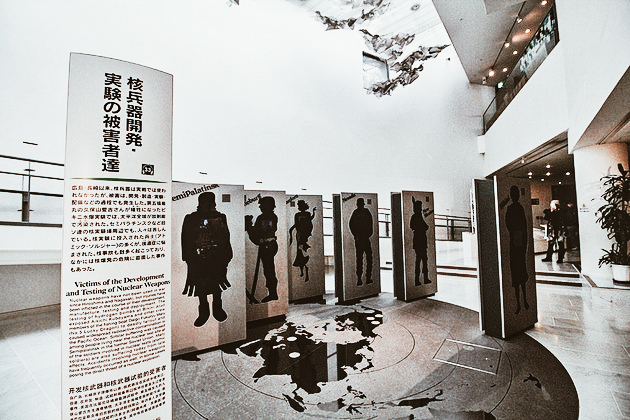
photo credits: shoreexcursions.asia
There is very little to tell for the Nagasaki Atomic Bomb Museum. It was born not to forget what happened on August 9, 1945, at 11:02 am when all the clocks stopped, visiting this place it's a tremendously moving experience.
The Museum of Oriental Ceramics, Osaka
Founded in November 1982, the Museum of Oriental Ceramics in Osaka includes about a thousand pieces of Chinese and Korean ceramics as well as works from the Rhee Byung-Chang collection and works signed by Hamada Shoji.
Sagawa Art Museum
Opened in March 1998, the Sagawa Art Museum offers the public the works of Japanese artists such as Ikuo Hirayama, Churyo Sato, and Raku Kichizaemon XV.
Museum of the Sakitama Ancient Burial Mounds
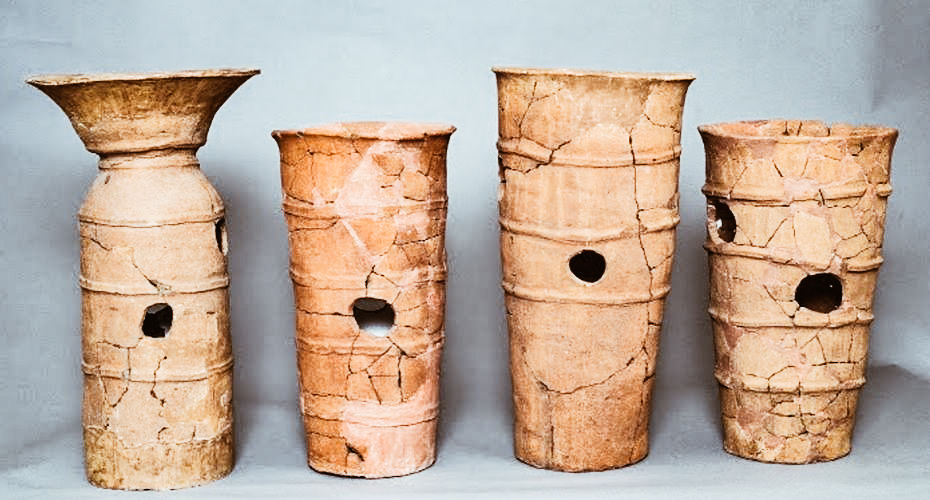
photo credits: smarthistory.org
In the Museum of Sakitama Ancient Burial Mounds we find a collection of artifacts, which later became national treasures. In fact, in the rooms of this museum, we see extremely valuable resources that will let you understand the ancient history of Japan.
If you think it is still not enough and you feel the desire to walk virtually through the cities of Japan, today it is possible! In fact, visiting the buildings and streets of the Rising Sun becomes easy thanks to Google Street View. Here millions of absolutely breathtaking panoramic images that will make you dream and transport you beyond any geographical border!
Travel guide: Tokyo - Episode 06 - the Shinkansen of the future
Tokyo – Osaka in one hour with the Shinkansen of the future
written by: Sara | translation: Erika | source: TimeOut Tokyo
We continue with our practical guides about Tokyo and today we talk about the Japanese railway system, one of the most efficient in the world, and the jewel of this system: the shinkansen.
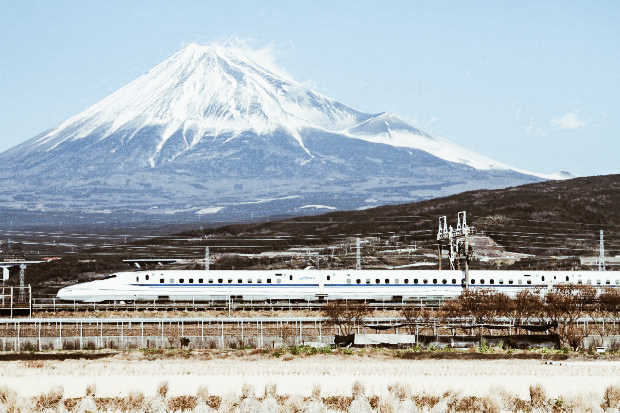
photo credits: repubblica.it
An integral and characteristic part of Japanese infrastructure, the shinkansen (新幹線) are the famous “bullet trains”. They travel very fast up to 320 km / h, to take us from one city to another in no time.
The Shinkansen lines
Currently, there are 15 known lines that allow us to travel to different destinations in Japan. From Tokyo towards the south we have the Tokaido Shinkansen line, which connects the capital with Osaka. The Sanyo Shinkansen line connects Osaka to Fukuoka, while the Kyushu Shinkansen line from Fukuoka crosses the island of Kyushu from north to south. Shinkansen Akita, Hokkaido, Hokuriku, Joetsu, Tohoku and Yamagata also depart from Tokyo.
The challenge of the Rising Sun is always constant: to offer safety and maximum efficiency.
In 2015, Japan Railways Group (JR) managed to break the world speed rail record with the magnetic levitation train that reached 603 km/h. From here, the company developed a program to maintain this impressive record, something we could define futuristic. We are talking about the Tokyo-Nagoya-Osaka section. This new initiative is called the Linear Project and is expected to be completed in 2037.

photo credits: business-standard.com
The trains of the future
Japan Railways has always been committed to implementing ultra-modern trains. In fact, the company is now focusing on building a linear Shinkansen capable of traveling with magnetic levitation. This type of technology would have retractable wheels that do not touch the tracks making the train elegantly “slide” without any friction. This futuristic shinkansen would travel at a top speed of 500 km/h, taking us from Tokyo to Nagoya in 40 minutes and from Tokyo to Osaka in 67 minutes.

photo credits: agatetravel.com
Obviously, this project requires a new infrastructure that allows a connection from Tokyo to Nagoya situated for the most part underground. In fact, this would avoid areas prone to strong earthquake shocks. With costs that would be around 50 and a half billion, the first part of the route could already be completed in 2027. So, we just have to wait and follow developments.
What do you think of traveling at high speed? These futuristic trains are now part of our reality and the shinkansen has an incredible charm: have you had the opportunity to try it? Tell us about your experiences!

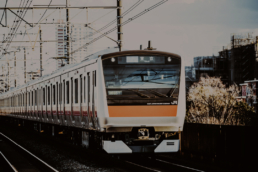
Travel guide: Tokyo - Episode 05 - Rent in Tokyo
Cheapest Apartment rent in Tokyo
written by: Sara | translation: Erika | source: Soranews24
We continue with our practical guides about Tokyo with a focus on the cheapest apartments ret that can be found in the city.
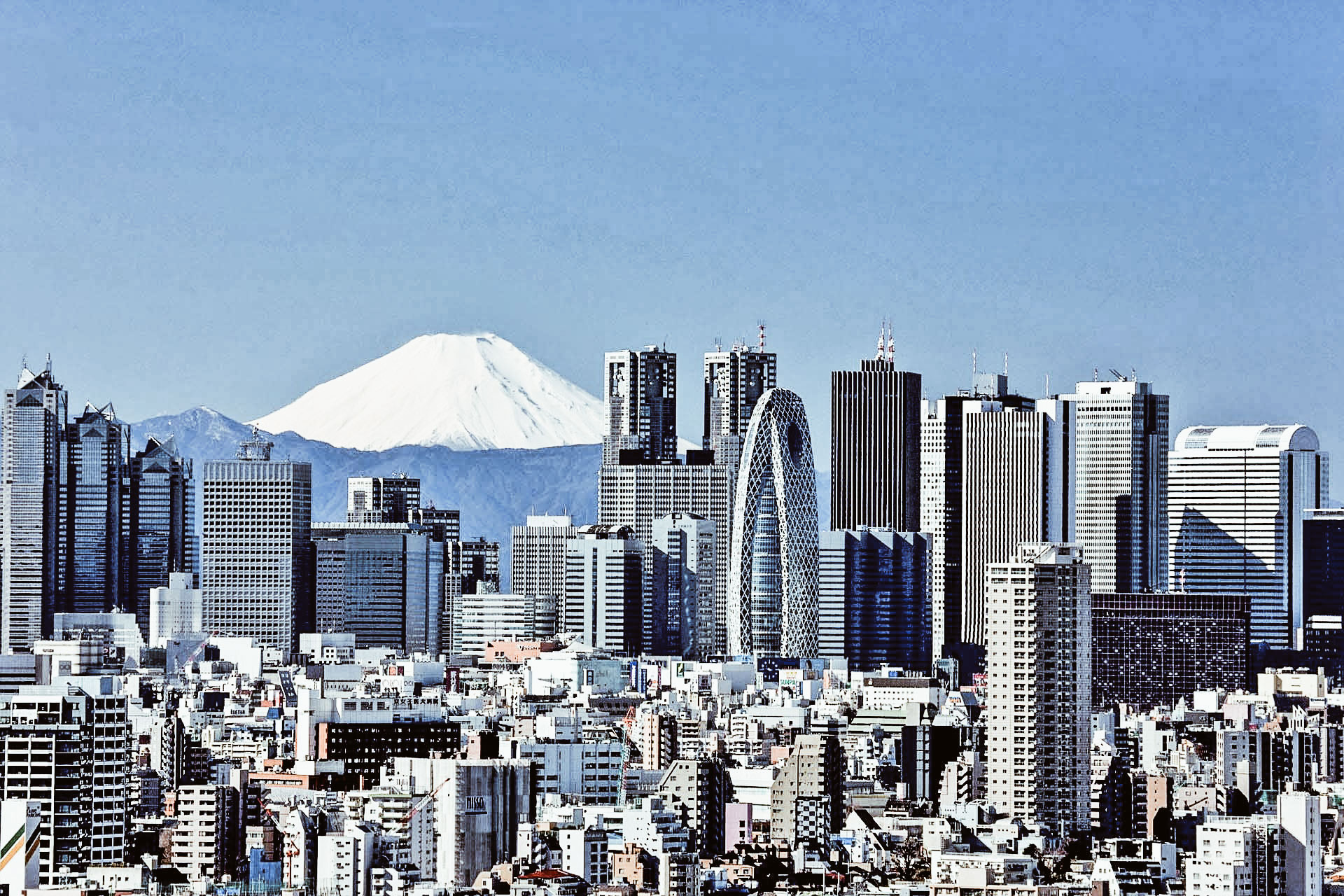
photo credits: tgcom24
How many times did we think “What if I went abroad to look for new opportunities?” and at the same time the fear of the prohibitive prices of the apartments kept us from realizing this intention?
Today pursuing this dream is possible! If you are thinking of Tokyo as a destination, you should know that there is nothing prohibitive. Small apartments at affordable monthly prices will allow you to start a new life in this wonderful megalopolis.

photo credits: facebook.com/suumo.jp
The Japanese real estate agency Suumo has published the result of a study demonstrating the convenience of rental rates of the great cities of the Rising Sun. Of course, the apartments taken into consideration are one-bedroom apartments between 10 and 40 square meters and are not located in the city center. In fact, as we know, in this area we find offices, commercial activities together with the most luxurious multi-story residences. However, thanks to the proximity to the stations or subways that allow you to move easily and reach any destination, also the external areas become important options to consider!
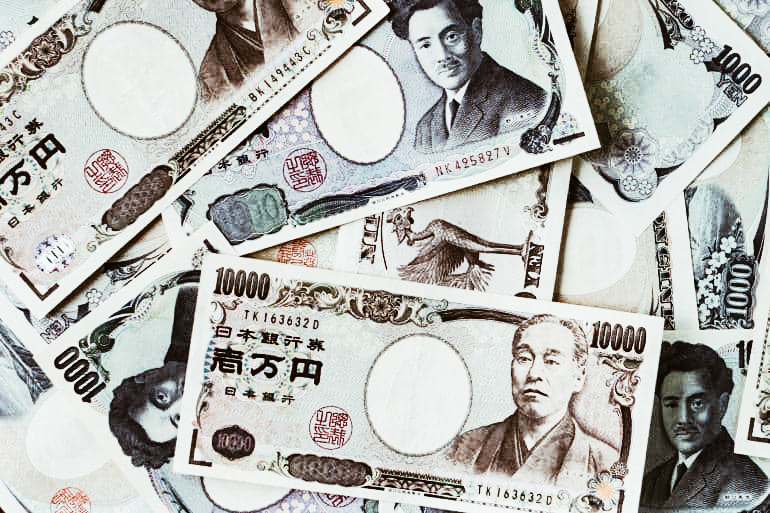
photo credits: Japanexperterna.se
The most convenient residential areas in Tokyo
The result of Suumo’s research was the following:
59,000 yen per month near Kasai Rinkai Koen Station (JR Keiyo Line). Akihabara, Tsukiji, Ginza or Roppongi can be reached in just 14 minutes by train from Tokyo station and with a one-way transfer to the Hibiya subway line.
60,000 yen per month near Kanamachi Station (JR Joban Line), from which you can reach Ueno and Keisei Kanamachi (Keisei Kanamachi Line).
62,000 yen per month near Kita Ayase Station (Tokyo Metro Chiyoda Line), which leads to Harajuku and Shinozaki Station (Toei Subway Shinjuku Line), which, as the name suggests, catapults us directly to Shinjuku.
63,000 yen per month near Funabori Station (Toei Subway Shinjuku Line), Horikiri Shobuen Station (Keisei Main Line), Ichinoe Station (Toei Subway Shinjuku Line), Keisei Tateishi Station (Keisei Oshiage Line), Shibamata Station (Keisei Kanamachi Line) and Takenotsuka Station (Tobu Isesaki Line / Tobu Skytree Line).
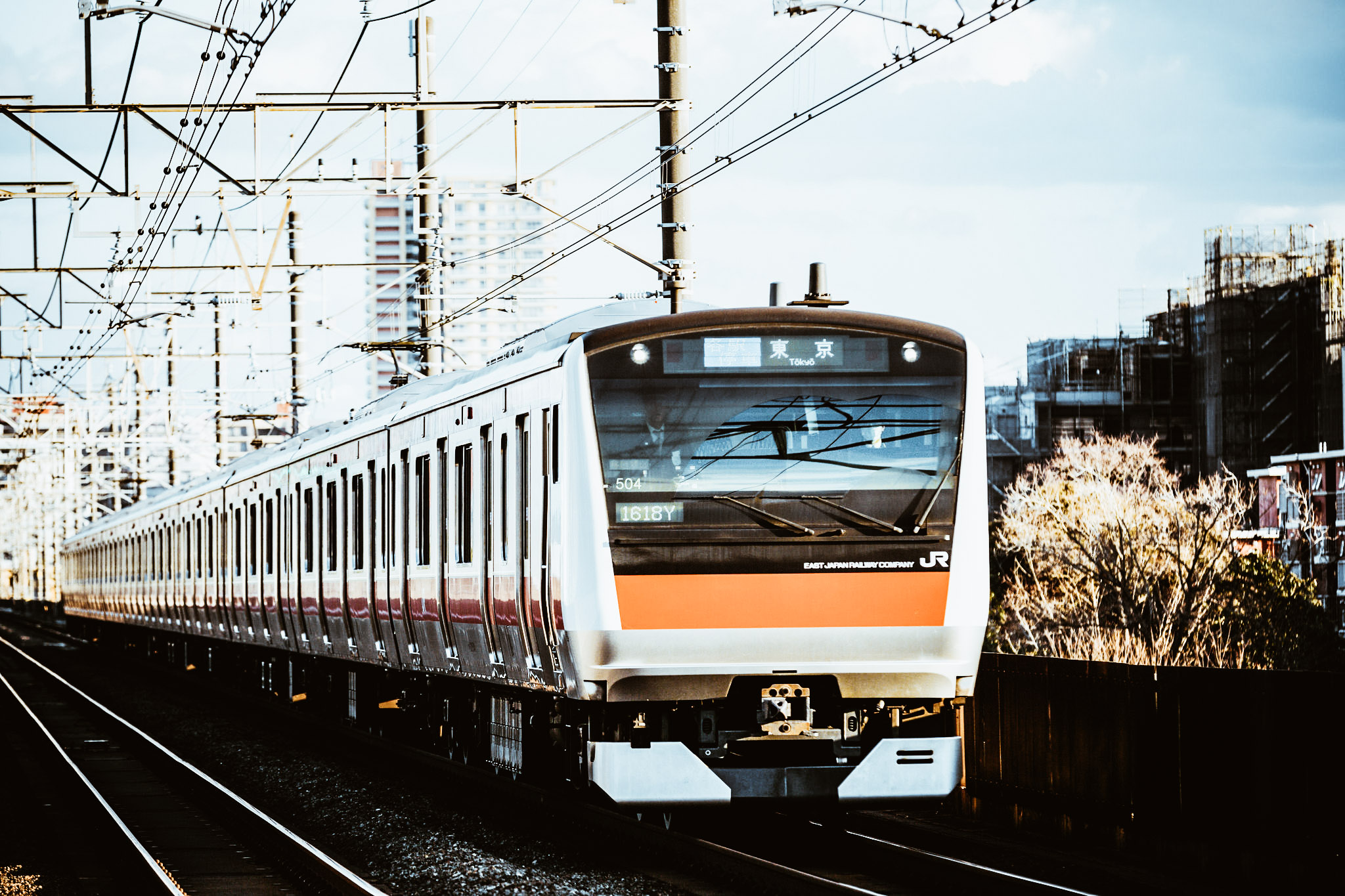
photo credits: hansjohnson
Don’t you feel heartened? That feeling of being able to say, “then can I make my dream come true if I want?”. There is really nothing unattainable if we can seize the right opportunity.