






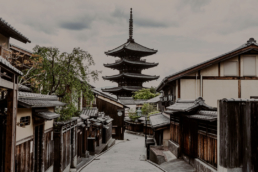
Photo Gallery: Kyoto without tourists
The pandemic is slowly passing and the tourism industry in Japan, as well as in Italy, has suffered a severe blow. We are not yet entirely allowed to resume travelling, but it is at these times that we have to find the beauty of things. We also refer to the possibility of being able to discover landscapes and corners of cities that we could not see before, often also because of tourists. As a highly desirable destination for tourists, Kyoto has developed a love-hate relationship with visitors. With 8.31 million tourists from overseas, the ancient capital is definitely one of the most popular cities in Japan.
Kyoto without tourists, a leap into the past
Author: Erika | Source: The Japan times
However, tourism is always a bit of a double-edged sword. While it prunes a lot of revenue to the visited countries, it also leads to overcrowded cities. In tourist places like Kyoto, it is really rare to be able to enjoy the landscapes without visitors. Nevertheless, due to COVID-19 and the closing of world borders, the number of visitors has dropped dramatically, leaving many of these places undisturbed. Through these photos, taken by the reporters of The Japan Times at the end of April, we can see a deserted city and admire its monuments in all their splendour.
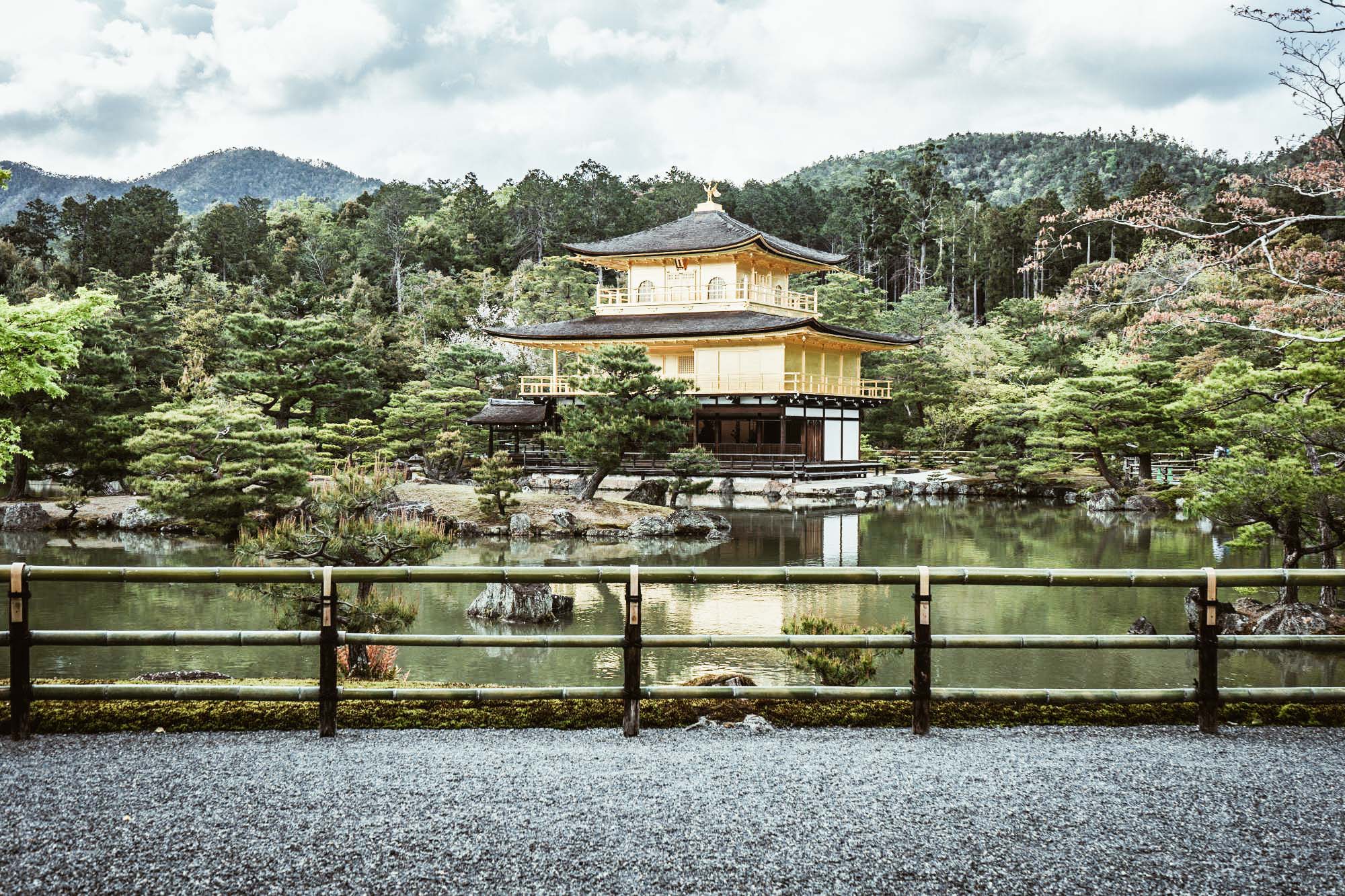
One of the most famous sites and destination of many tourists is certainly the Kinkakuji, also known as the Temple of the Golden Pavilion. Declared a UNESCO World Heritage Site in 1994, this landmark has more than 5 million visitors a year. The current pavilion dates back to 1955 after the original was burned by a novice monk. However, the complex dates back to the 14th century. - Photos by Oscar Boyd

Fushimi Inari, a destination that every year attracts about 2.7 million visitors, a landmark known for its senbon torii (1000 torii, even if in reality they are 10 thousand in total), was like this. Those who have been there are aware that to be able to take such a picture under normal conditions you have to go there very early in the morning and wait several minutes to get the perfect shot of the empty tunnel. The photographer Gabriele Bortolotti took this picture at noon, in a deserted sanctuary at the end of April.
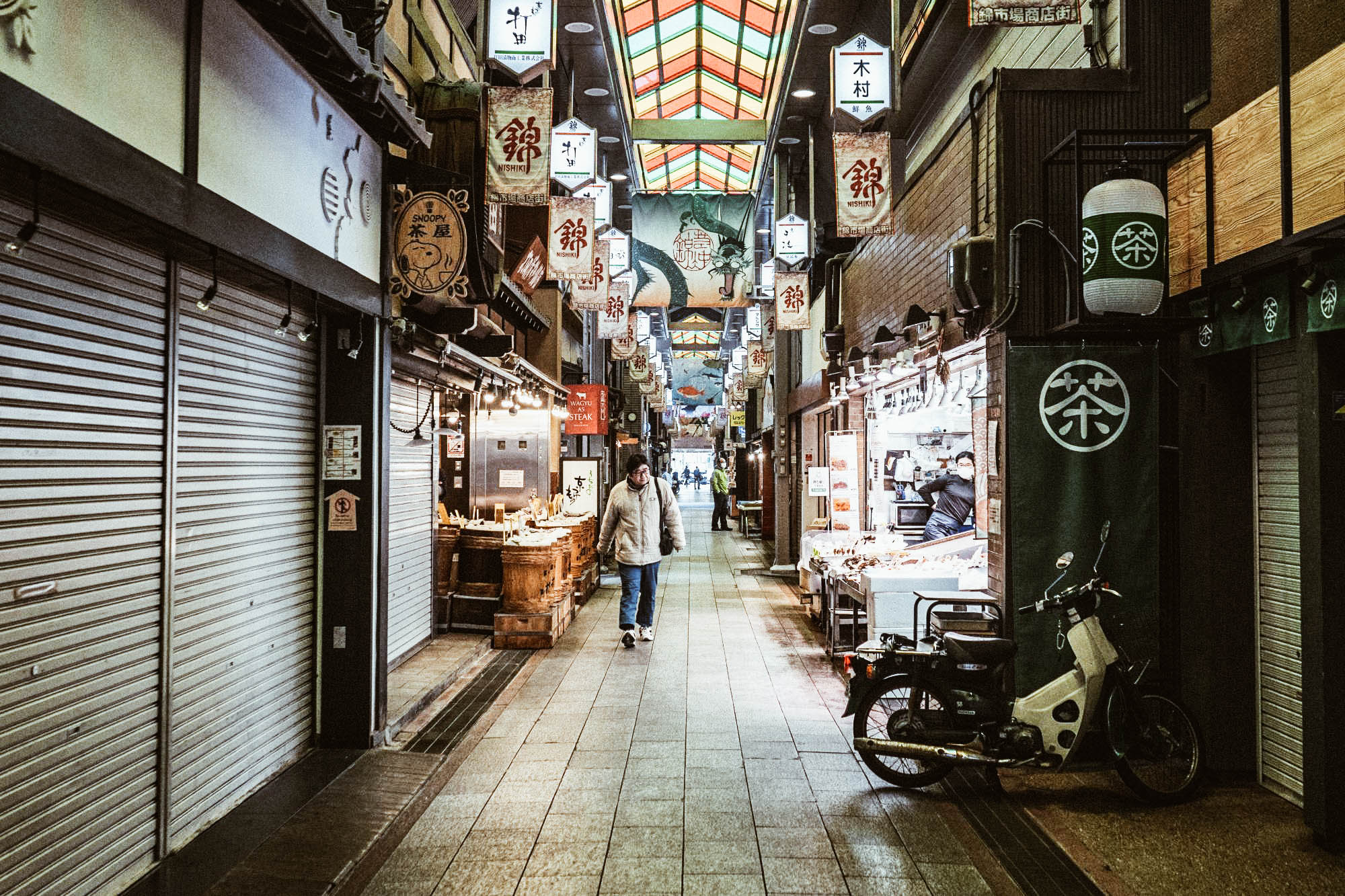
Nishiki's market, also known as "Kyoto's Kitchen" stretches for about 1.5km between Teramachi and Shinmachi districts in Kyoto. Among the increasingly popular souvenir shops, knife shops, the headquarters of traditional Japanese food suppliers and everything related to the kitchen, Oscar Boyd took this photo.
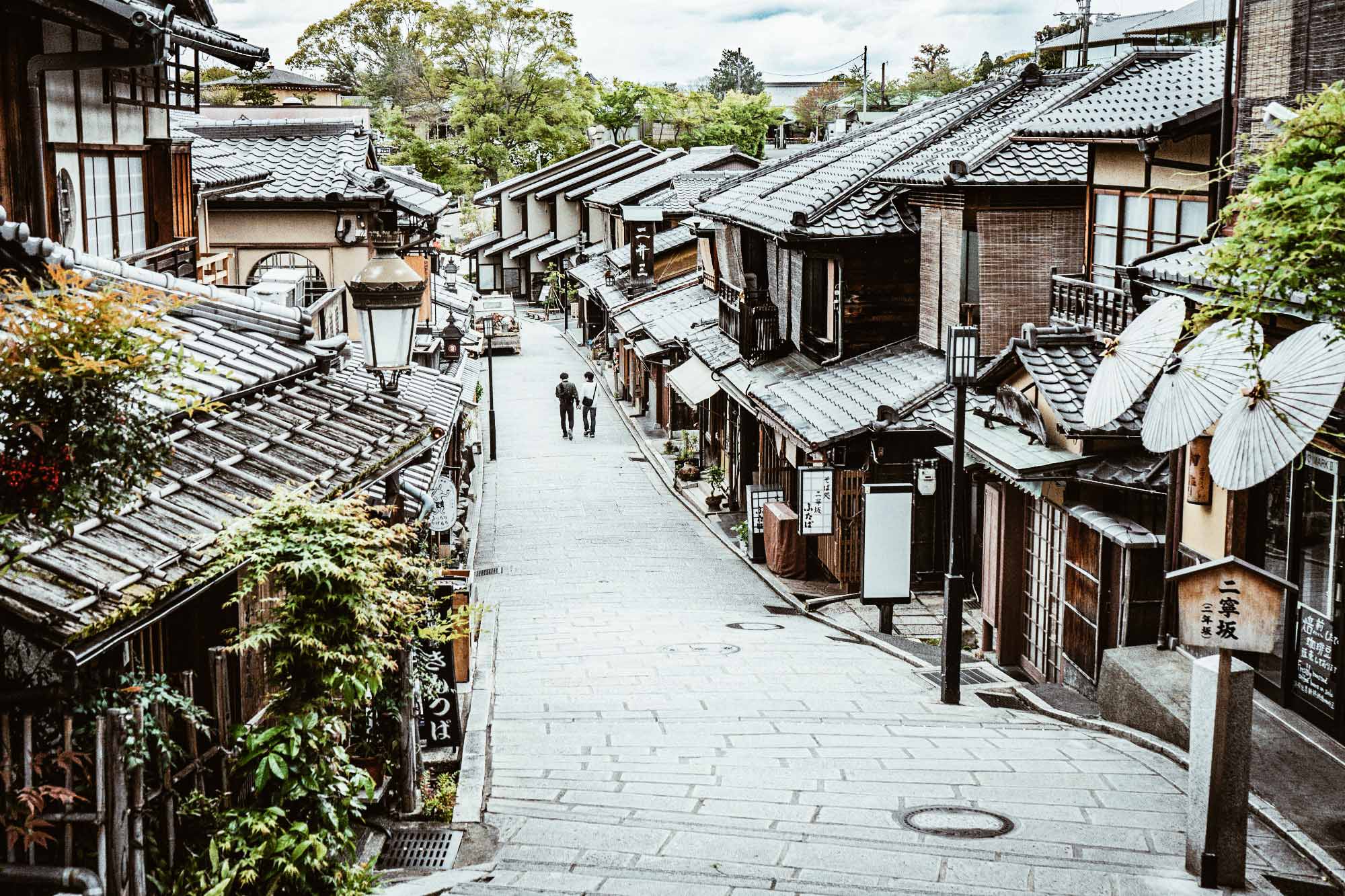
We move on to the wooden architectural tradition of Higashimaya. This area is very popular among people looking for a traditional Japan, without cement, glass and neon. This is how it looked under the eyes of Oscar Boyd at the end of April 2020.

Ginkakuji, the Silver Pavilion, built in the 15th century in the style of the Golden Pavilion, was not originally covered with the precious material. The complex has since become famous for its large Japanese garden which attracts around 5 million visitors every year. - Photos by Gabriele Bortolotti
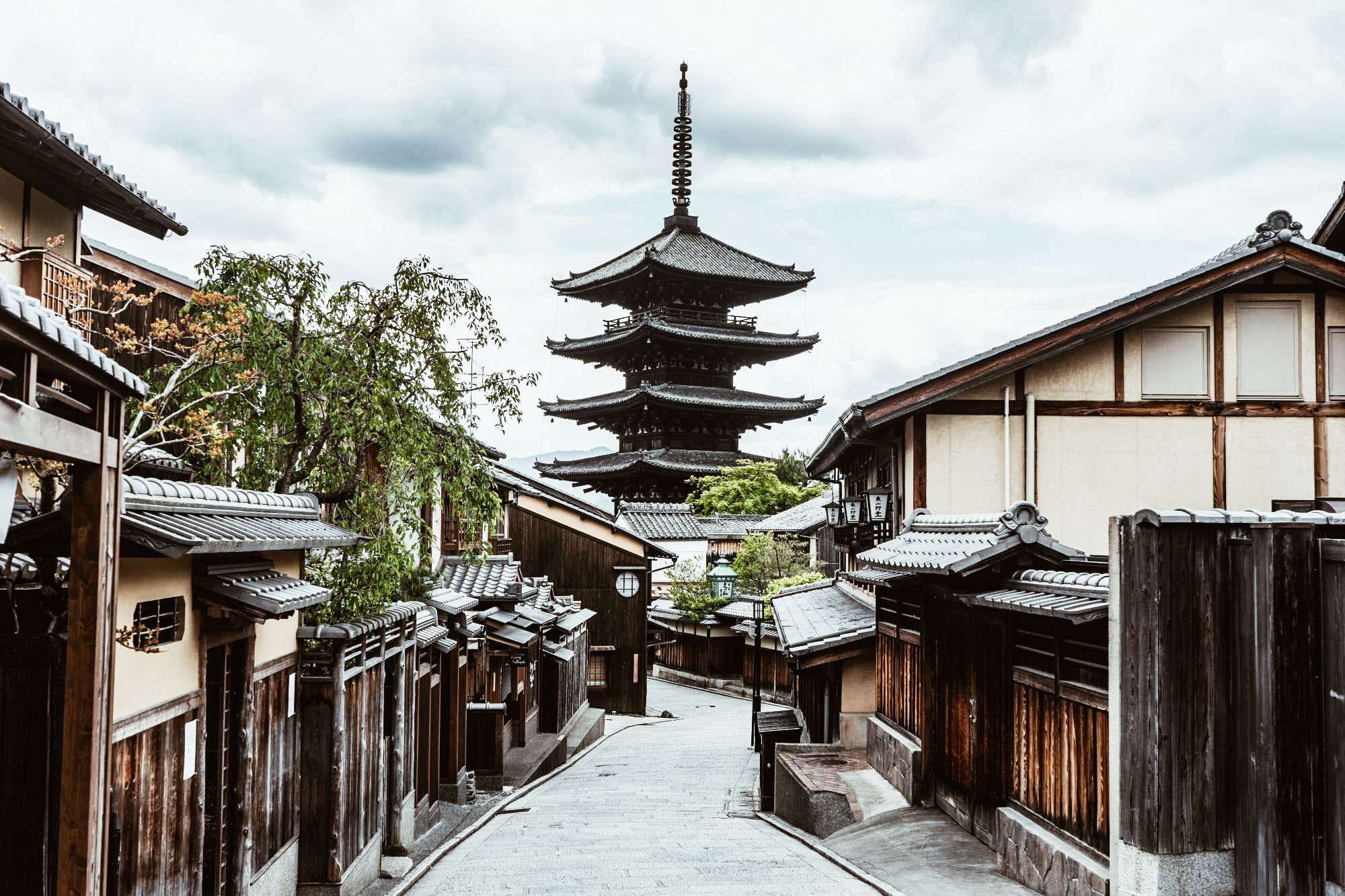
The Yasaka Pagoda, one of the landmarks of the upper area of Higashimaya District, the last permanent structure of the 6th century Hokanji Temple looked like this at the end of April. - Photos by Oscar Boyd
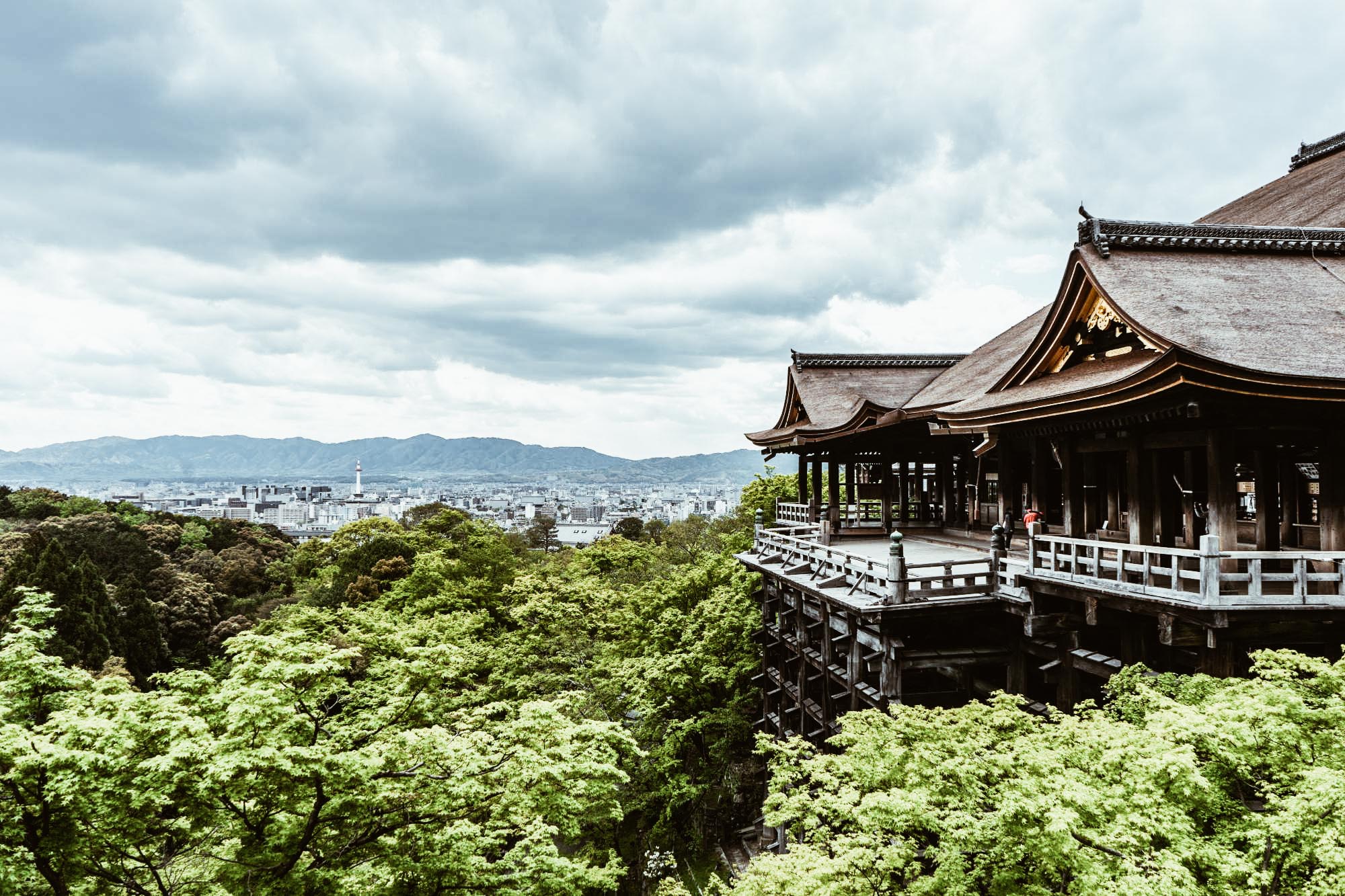
A UNESCO World Heritage Site, the Kiyamizudera temple on the side of Mount Otowa, in the eastern part of Higashimaya district is one of the landmarks not to be missed by visitors to Kyoto. Founded in 780 and rebuilt after a fire in the 15th century, work on the Okunoin Hall was completed in March. The temple attracts about 5 million tourists every year and yet in this weird 2020, it was completely empty. - Photos by Oscar Boyd

The Animal Crossing Phenomenon
As we already know, Japan is a land of trends that come and go, but the recent Animal Crossing phenomenon has involved the whole world, and we're not just talking about the gaming one.
Animal Crossing, Nintendo's worldwide phenomenon
written by: Sara
When it comes to writing about video games in our blog, I'm always strongly questioning whether or not to do so because there are myriad titles from the Rising Sun worthy of note! This time, however, we couldn't help but wonder: the video game in question has really won everyone over, especially during the quarantine period with its simplicity, its "chill" mood and its bright colors. Yes, I'm talking about Animal Crossing!
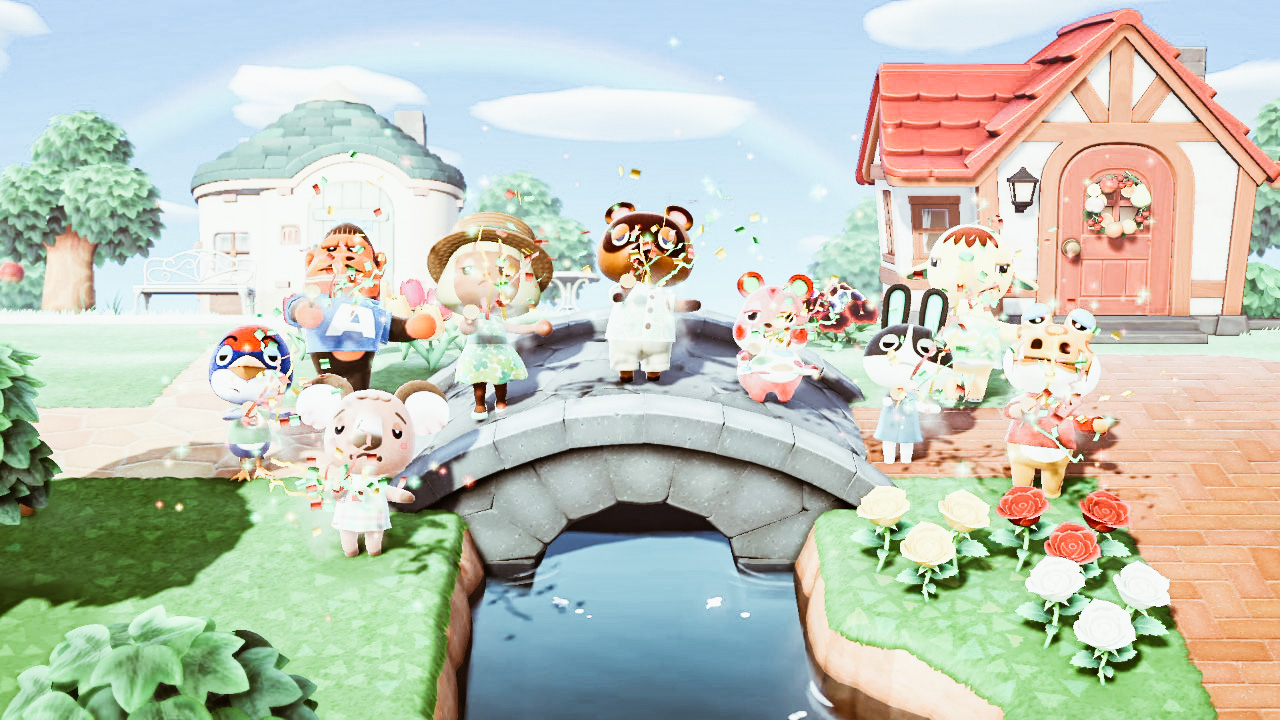
photo credits: gamereactor.it
The various versions
The Japanese title どうぶつの森 (Doubutsu no Mori) literally means "Animal Forest" and was developed for Nintendo by game designer Hisashi Nogami back in 2001 and quickly became one of the most popular video games ever. At its first release, in fact, there were several editions such as Animal Crossing: Wild World, Animal Crossing: Let's Go to the City, Animal Crossing: New Leaf and the very recent Animal Crossing: New Horizons; in addition to cute spin-offs such as Animal Crossing: Happy Home Designer and Animal Crossing Pocket Camp, the latter available for Android and iOS.
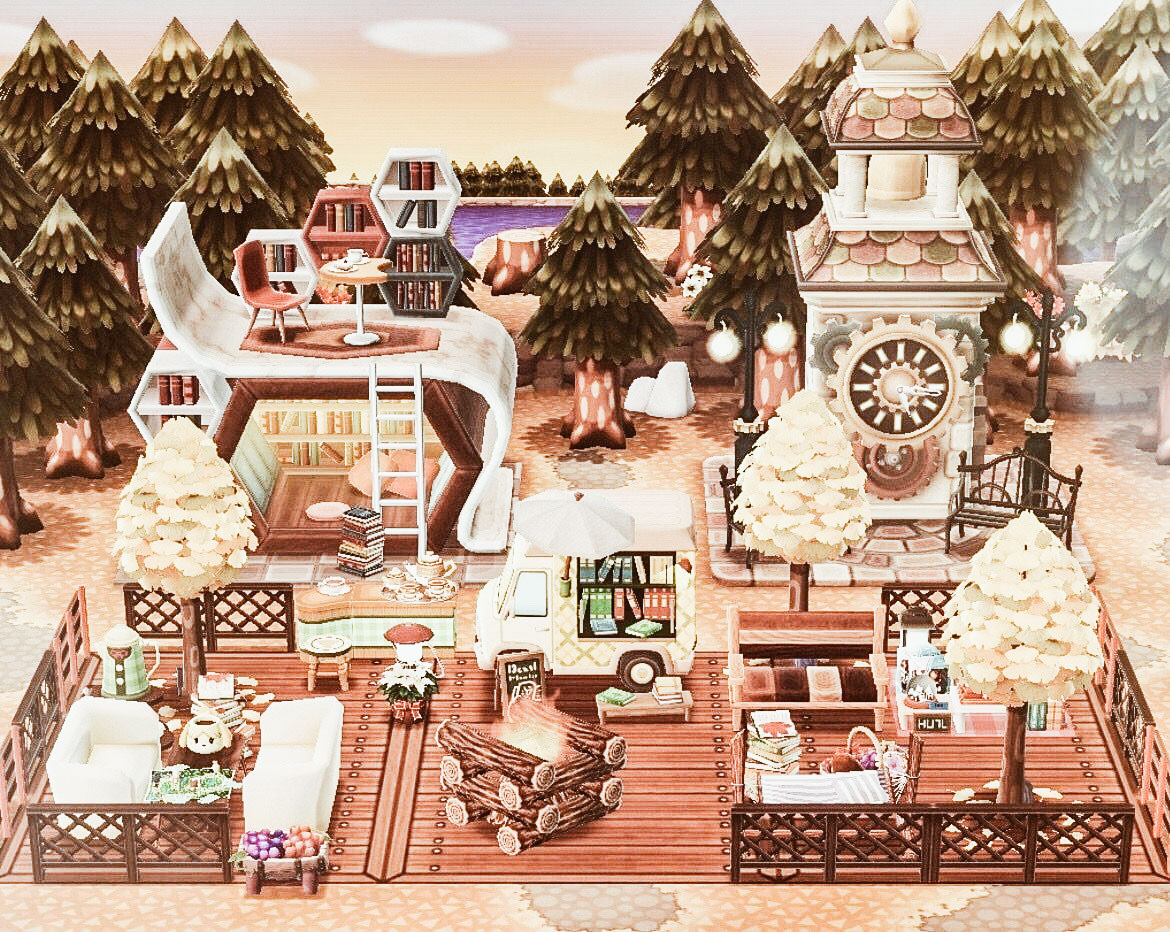
photo credits: pinimg.com
Simulator of life, this game catapults us into a world inhabited by curious anthropomorphic animals with which you can interact. There is no real goal, the strength of the series is to customize your village, collect objects, explore and... relax. In addition, the time flows exactly like that of our reality. The day and night, the seasons, the festivities, alternate following the rhythms of our daily life.
The latest edition of the game, New Horizons, is set in a deserted island, totally customizable thanks to the Terra Forming feature that allows you to let your imagination run wild and recreate environments of the most varied inspiration.

photo credits: twitter.com/ryuryu_12mj
Once you have created your own style, furnished the furniture, invited friends to visit the island etc etc etc what is left to do? Some might say that playability runs out, but it doesn't. In fact, events and updates make New Horizons an endless and fascinating video game where you can celebrate weddings, birthdays and ceremonies of various kinds. Create a party with friends, celebrate holidays such as Christmas, Easter, Tanabata, participate in festivals of various kinds, competitions and surprise events! Once again, Japan has given us something unique. A game to play when the world around us is stifling and hectic or simply when we want to escape, but we can't do it physically.
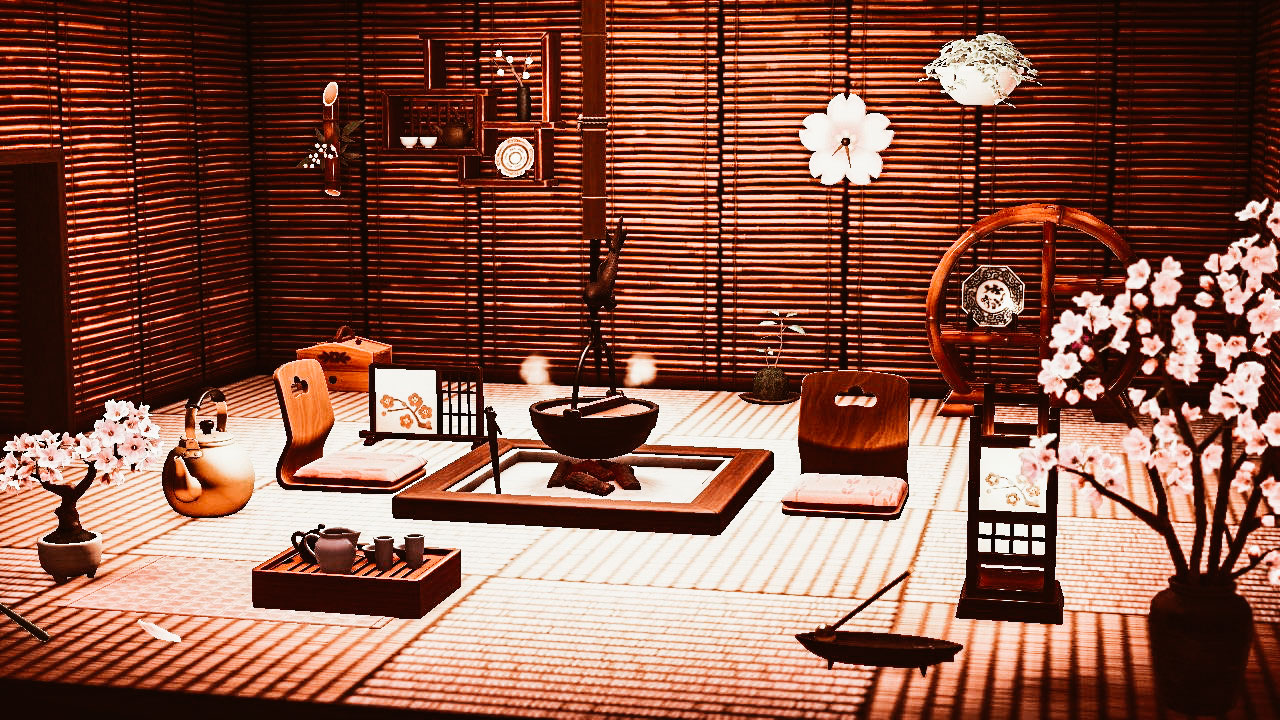
photo credits: twitter.com/opeope1006
All titles in the series are available on the official NINTENDO website.

Shikadamari, the deer gathering in Nara
One of Japan's most characteristic cities is Nara together with its deers and every year it is here that the Shikadamari takes place. But what exactly is this strange and unique phenomenon? What drives hundreds of deers to gather for an hour at this place in Nara Park every evening in summer?
Shikadamari, the phenomenon of the deer gathering in Nara
Author: Erika | Source: Soranews24.com
If you have ever been in the city of Nara, near the prefecture of Kyoto, probably one of the destinations you will have seen is Nara Park and its large deer population. The peculiarity of these deers is that they roam the city undisturbed, but not only that, they also ask for a lot of cookies! For this very reason, you may have had to run away from one of them while this curious deer was poking its nose into your bag.

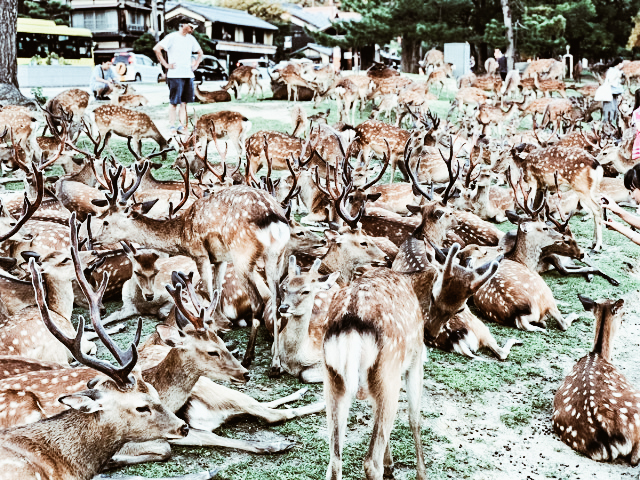
However, if you've come to this city in the summer, you'll find these nice creatures much less noisy in the evening. In fact, after sunset, a very particular phenomenon called "shikadamari" happens. This Japanese term translates as "deer gathering point" and is an unofficial term coined especially for this wildlife event.
What is Shikadamari
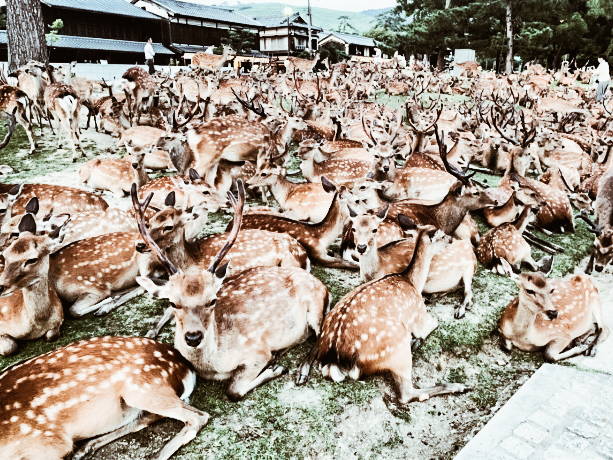
After sunset on summer evenings, around 6:30 p.m., deers gather near Nara Park to stop in this particular place in front of the National Museum of Nara, right inside the park. Indeed, it is not unusual to find deers relaxing in the park, but it is rare to see a large number of these animals all gathered in the same spot. The most disconcerting thing is that they all gather in the same place, at the same time and for the same amount of time. From 6:30 p.m. to 7:00 p.m., you can see the deers sitting in silence. However, after 7:00 p.m., they stand up and return to the different areas of the park.
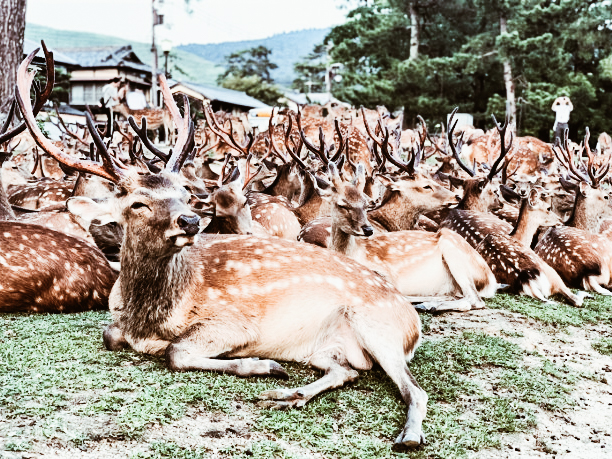
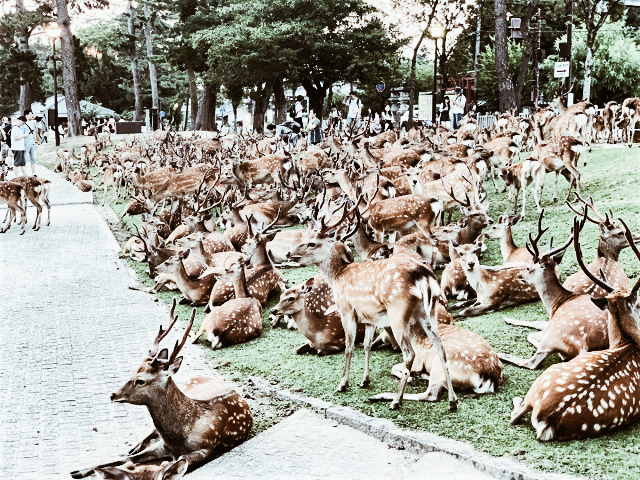
According to a survey by the Nara Deer Preservation Foundation, the Park is home to about 1388 deer, and almost half the wildlife population participates in this gathering. What could that indicate?
Plausible explanations
Therefore, one of the plausible explanations for this phenomenon is that deers gather in this particular place to cool off. After all, with the hot temperatures of the Japanese summer, in this place we find a breath of fresh air instead. Despite everything, this very piece of land in front of the museum is one of the sunniest parts of the entire park during the day. Theoretically, therefore, the earth is very overheated, but perhaps it is this mix of warm earth and fresh air that attracts the deer to the shikadamari.

In this regard, the Nara Deer Preservation Foundation says:
"We have reports of deer gathering in front of the Nara National Museum. We don't even know why they gather there. We're sorry we can't be of any help".
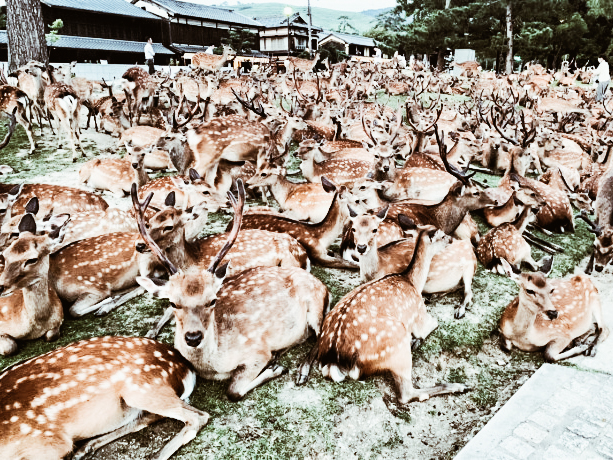
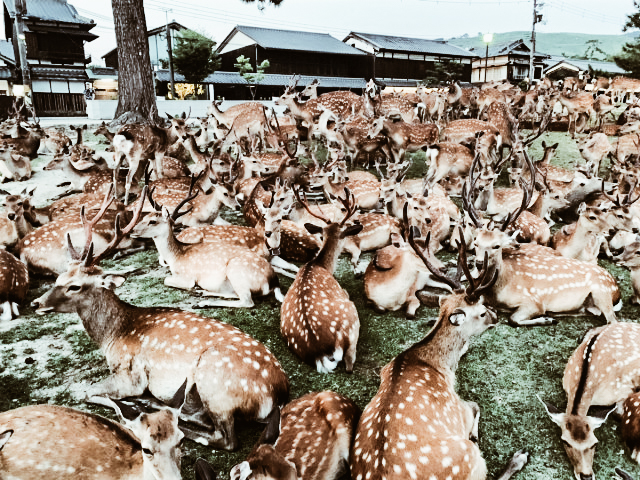
With this answer, therefore, the Shikadamari phenomenon remains to all intents and purposes one of the mysteries of Japan. And do you have any particular idea why deer gather every night in summer at this very spot in the park? Let us know on on our Facebook page or in the comments below!

MONDE, the artist who creates a little Tokyo in your house
Monde, a famous Japanese designer recreates special dioramas for our libraries. First of all, what is a diorama? A diorama is the reduced-scale reproduction of scenography that recreates different settings. The diorama is also called plastic, but it is not used in the architectural field. The word Diorama itself means "to look through" and it’s in fact the reproduction of a scenography inside an open box that allows you to admire its content.
MONDE, the artist who creates a little Tokyo in your house
Autore: SaiKaiAngel | Photo Credits: MONDE Twitter

Initially, the diorama presupposed the reproduction of the scenography inside a semi-open "box" equipped with a glass in order to admire its contents. Dioramas differ from plastic models also in the precision of their details, extremely accurate.

Monde decided to create Dioramas and use them as bookends. These are magical 3D dioramas that allow us to experience a world apart and transform even the simplest of bookcases into something unique. Just look at them carefully to fall in love and realize that the work of art is perfect even in the smallest details. If you don’t have the opportunity to experience the alleys of Tokyo even in their most minute details, you can turn your library into a secret passage to Japan.
Depending on the diorama, you will find an arrangement of plants and lights made with different materials, which actually create the illusion of scrutinizing a dimly lit Japanese alley, but directly from your home! The artist told Buzzfeed News Japan, "I thought it would be interesting to create a path in the gap between the shelves" and in fact, his idea proved to be not only brilliant but also innovative!
The artist created this project for the Design Festa, an international art event in Tokyo, with "detailed replicas of the winding and narrow alleys of Japan." Monde creates objects inspired not only by the city but also by animals and insects. Do you want to have these small universes at home? You can contact the artist directly on his Twitter profile

What are you waiting for? Monde has created the way to have Japan in your homes. Fall in love with the alleys of Tokyo and enjoy them comfortably seated on the sofa. Tokyo has never been so close thanks to Monde.

Wood and Japanese architecture
If you have ever been to Japan or even seen photos, you will have noticed that Japanese architecture is characterized by the use of wood as the primary material. Today we see how this traditional material has become an emblem of Japanese architecture.
Wood, mold and fire in Japanese architecture
Author: Erika | Source: Nippon.com
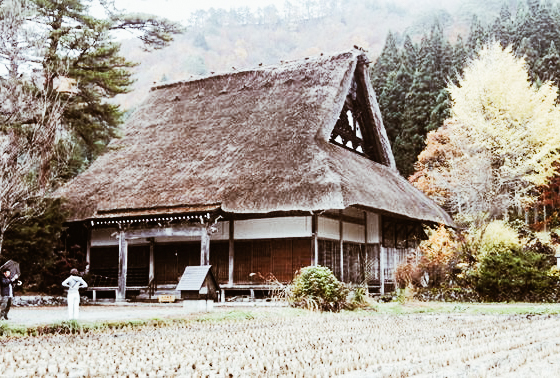
Japan's wet environment has made it possible to develop an architectural style mainly focused on the use of wood. In fact, in summer, humidity levels reach peaks that we can hardly conceive of here in Europe. However, if you have been to Japan during the months of June and July, you will have noticed that you sweat even while standing still. For this very reason, in the history of this country, techniques and materials have been developed to help compensate for this problem. In fact, the raised floors and open spaces typical of traditional houses have guaranteed adequate ventilation to combat the accumulation of toxic mould. In addition, the wooden construction with mullions and beams not only helps against moisture but also becomes useful in the design for resistance to typhoons and earthquakes.
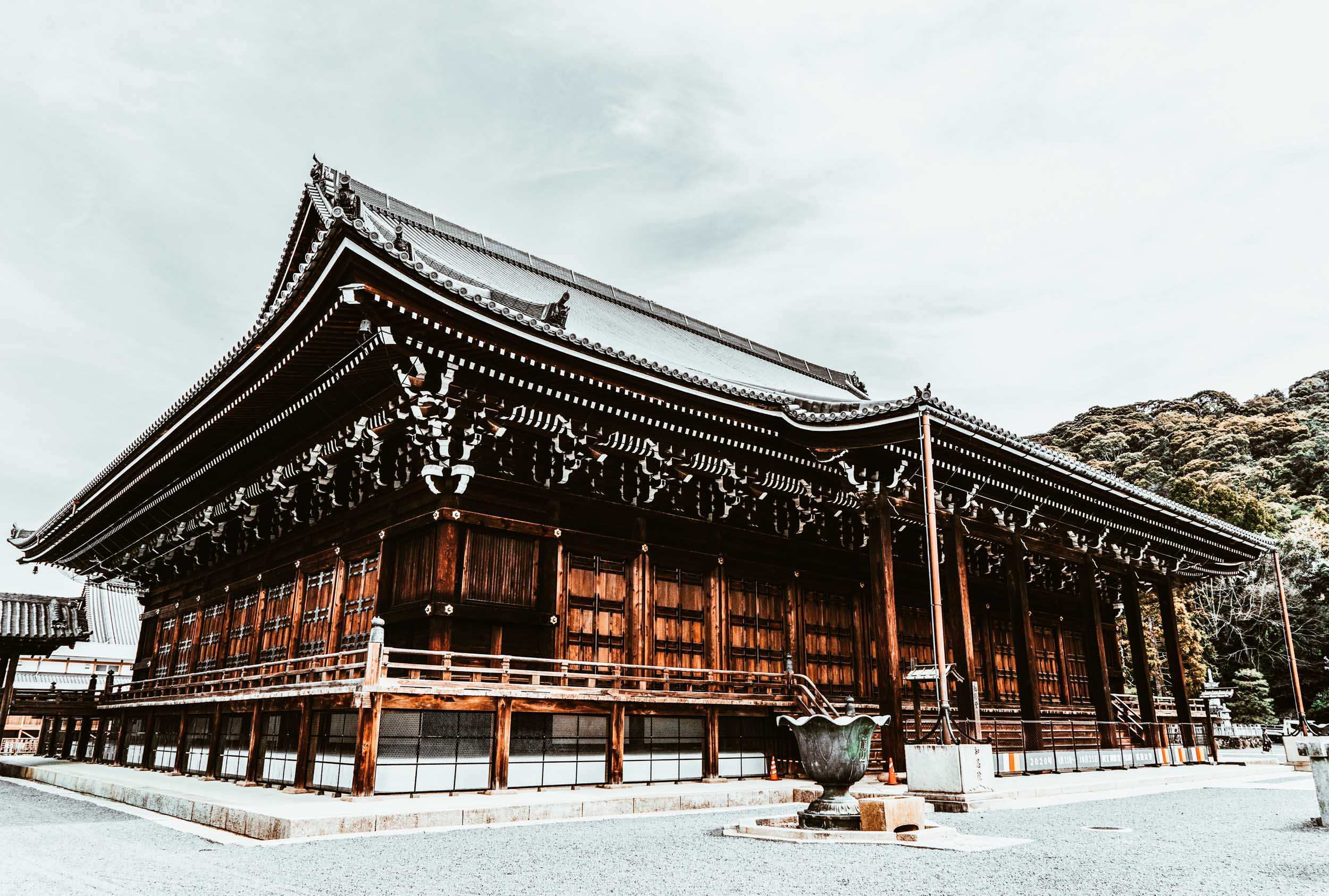

Although fires have been frequent in the history of Japan, historically the Japanese have built almost exclusively with wood. Certainly, the fire was a persistent problem and this is reflected in the severity of the current fire laws. However, judging by history, it seems that the major cause of the problem was the natural disasters that led Japanese architecture to take the forms we all know.
The constant presence of mould in Japanese architecture
Actually, mould is a constant problem not only for Japan but a little bit for the whole world. In fact, today we were able to create a solution by applying modern architectural techniques.
Much of Japan has ideal conditions for mould because of the various types of mushrooms present in the country. In addition, temperatures rarely fall below zero and humidity can last over 70% for long periods of time. These are all ideal conditions for mould to form, but traditional wooden construction alleviated this problem. In fact, with these construction techniques, the building was raised from ground level leaving the walls open so that air could flow freely in the spaces. Because of this problem, older buildings contain very little furniture and equipment. Temples, sanctuaries, palaces and traditional houses fall into this category.
Japan and tradition
As we all know, Japan is a very traditionalist country and Japanese architecture is no less. However there is a strong preference for the new, in fact, large companies do not hide to design houses to last about 30 years, after that the house should be demolished and rebuilt. This is almost inconceivable from a Western point of view, but reconstruction is a perfect way to completely eliminate mould, infestation and other problems.
The culture of reconstruction has, in fact, ancient roots in Japan because until the 8th century AD the death of an emperor was the cause of the displacement of the royal palace and the capital. Moreover, there was a saying in the Edo period that read "fire is one of the two flowers of Edo, as the city often blossomed". Whether the cause was fires or abrupt changes, these reasons have significantly lowered the average life of buildings. However, moving a house meant throwing everything except the wooden structure, the framing was in fact dismantled and reassembled with a fresh roof and curtain walls. In fact, this not only solved the problems of mould or other problems but also preserved the most durable parts of a house. Precisely for this reason, today we find extremely old and recycled beams and columns in many farmhouses.
Wood VS Metal
During the Tokugawa Shogunate, political decisions limited the use of metal fasteners and this was also an important factor in the development of carpentry in Japanese architecture. In fact, despite the fact that steel was already widely used, metal fasteners had no comparison with the longevity of wooden joints. In fact, in unseasoned wood, these fixings were strongly subject to seasonal shrinkage and expansion of the surrounding material. Also, when exposed to air, they are subject to rapid oxidation due to Japan's humid climate.
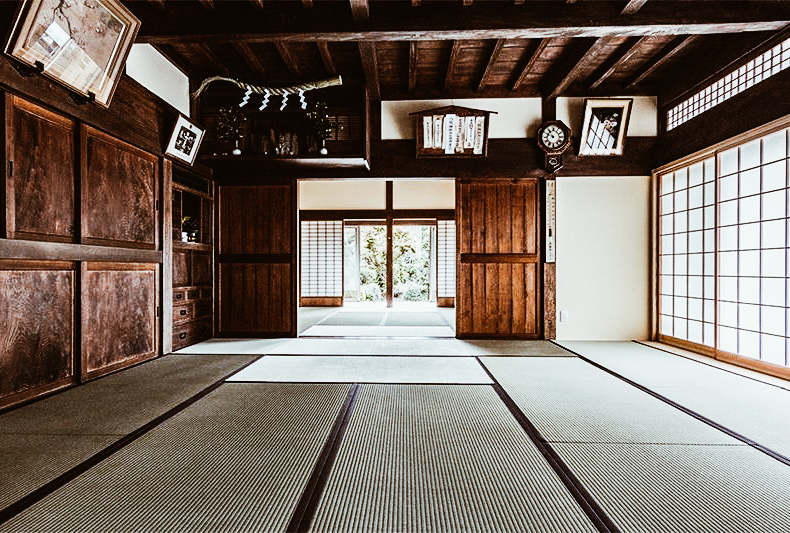
On the contrary, an all-wooden junction becomes stronger and stronger as time goes by. In fact, calculations show that the latter may be structurally more solid even in the centuries following construction. Wood gains in strength for 200-300 years after being cut, but gradually decreases after that. For this very reason, the heavy roofs of traditional Japanese architecture are impossible to build without an elaborate wooden structure.
To withstand the weather and typhoons, these roofs should be supported by large stone walls, but in a country where earthquakes are so common and typhoons so devastating, it becomes too impractical. In addition, during the rainy season, condensation would occupy and ruin all the walls. In traditional Japanese architecture, the entire wooden supporting structure is open for visual inspection, meaning that any water infiltration was easily identified and handled quickly.
Japanese architecture and earthquake-proof houses
As we well know, Japan is frequently hit by earthquakes that do not seem to create too much damage. This is not because earthquakes are less violent, but thanks to the anti-seismic techniques of Japanese architecture. In fact, earthquake resistance is the third reason why Japanese architecture primarily uses wood in its constructions.
In Western culture, houses are solidly bonded to the foundations, which makes them a solid earthquake-resistant box with walls strong enough to withstand lateral shocks. As a result, the building will move with the ground, however, making the occupants feel the full force of the earthquake. In Japanese culture, on the other hand, construction using wooden joints makes everything more flexible. In this way, the lateral energy of an earthquake is absorbed by the bending of the junctions themselves, allowing the building with a heavy roof to remain standing even during strong tremors. To make you understand better, many old buildings are constructed in a similar way to a wooden chair, with supporting pillars without walls connected both at the top, where the roof rests and at the bottom. This allows you to support the weight safely and dynamically.
Thanks to the use of this technique, most traditional buildings are not based on foundations or basements. However, one might expect that during an earthquake the structure will jump from the base stones, the masonry walls will break and the beams will bend or break. But a well-built wooden building remains standing, in fact even in contemporary construction basic insulation is becoming a standard for seismic design even though it is illegal in Japan.
So many forests equal so much wood
Here is the latest reason why we find this preference for wood in Japanese architecture. In fact, the ready availability of timber and the use in traditional construction, cypress and pine, for example, are ready for harvesting and use only after 40-60 years of growth. Japanese carpenters have in fact become experts in making the most of wood construction techniques for many generations. This has not only allowed us to specialize in the use of this material but has also left us a rich heritage of buildings that are not only cultural heritage, but also teach us in the West to become more sustainable and safe without giving up modernity.
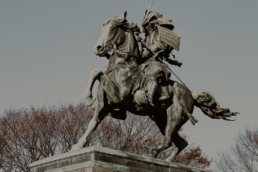
Japan History: Maeda Toshiie
Maeda Toshiie was born on January 15 1538 (now Nagoya) as the fourth son of Maeda Toshimasa who held Arako Castle and died on April 27 1599. He was known to be one of the main generals of Oda Nobunaga after the Sengoku period.
Maeda Toshiie, the head of the Maeda clan
Author: SaiKaiAngel
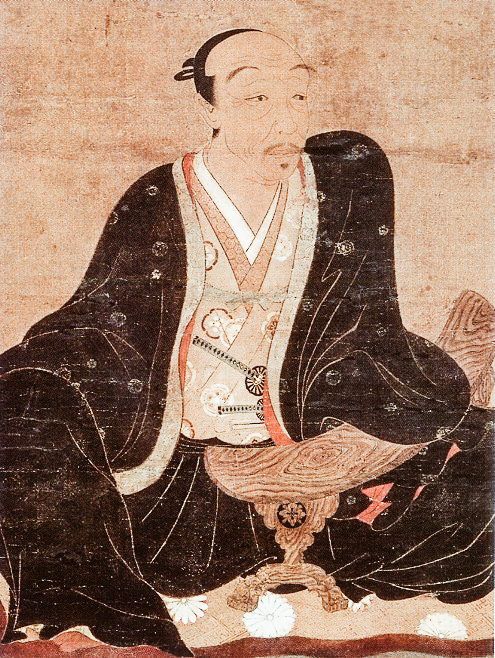
photo credits: wikimedia.org
His father was Maeda Toshimasa and his wife Maeda Matsu. Fourth of seven brothers, his childhood name was "Inuchiyo" and his favourite weapon was a yari, which is why Maeda Toshiie was known as "Yari no Mataza" or Matazaemon. The highest grade he received was that of Great Councilor Dainagon.
By order of Nobunaga, Maeda Toshiie was rewarded with the appointment as the head of the Maeda clan, despite having four older brothers. This position was received in 1560 upon the death of his father. Just like Oda Nobunaga, Toshiie was also a criminal and seems to have become, in his youth, also a friend of Kinoshita Tokichiro, more famous with the name of Toyotomi Hideyoshi. It seems that Toshiie was called Inu (dog) by Nobunaga because of his reserved and severe nature, in contrast to Hideyoshi's talkative nature.
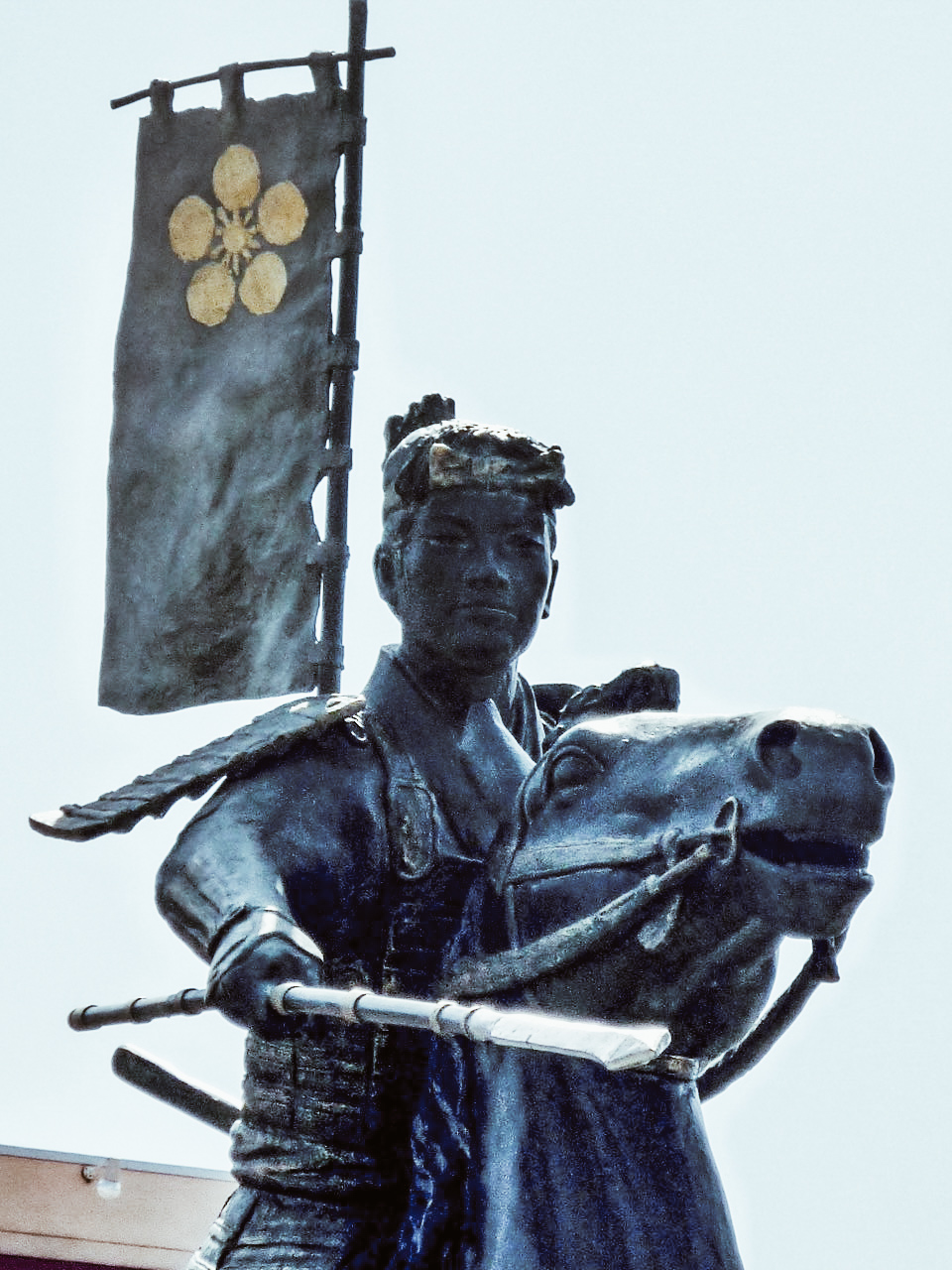
photo credits: samurai-world.com
Military life
Toshiie began his career as a member of akahoro-shū under the personal command of Oda Nobunaga. Later he became an infantry captain (ashigaru taishō) always in the army of Oda Nobunaga. During his military career, Toshiie met many important figures, such as Hashiba Hideyoshi, Sassa Narimasa, Akechi Mitsuhide, Takayama Ukon and many others that we have previously seen in our blog. Maeda Toshiie was also Tokugawa Ieyasu's eternal rival. After defeating the Asakura clan, Maeda fought under Shibata Katsuie in the Hokuriku area.
Maeda Toshiie participated in various war situations: we see him in the battle of Okehazama in 1560 in the siege of Inabayama in 1567, in the battle of Anegawa in 1570, in Nagashino in 1575 and in Tedorigawa in 1577, in the siege of Suemori in 1584 and of Odawara in 1590. Eventually, he was granted the fief of Fuchu and a han (Kaga domain) that crossed the provinces of Noto and Kaga. Despite its small size, Kaga was a highly productive province that would eventually turn into Japan's wealthiest han in the Edo period, with a net worth of 1 million koku.
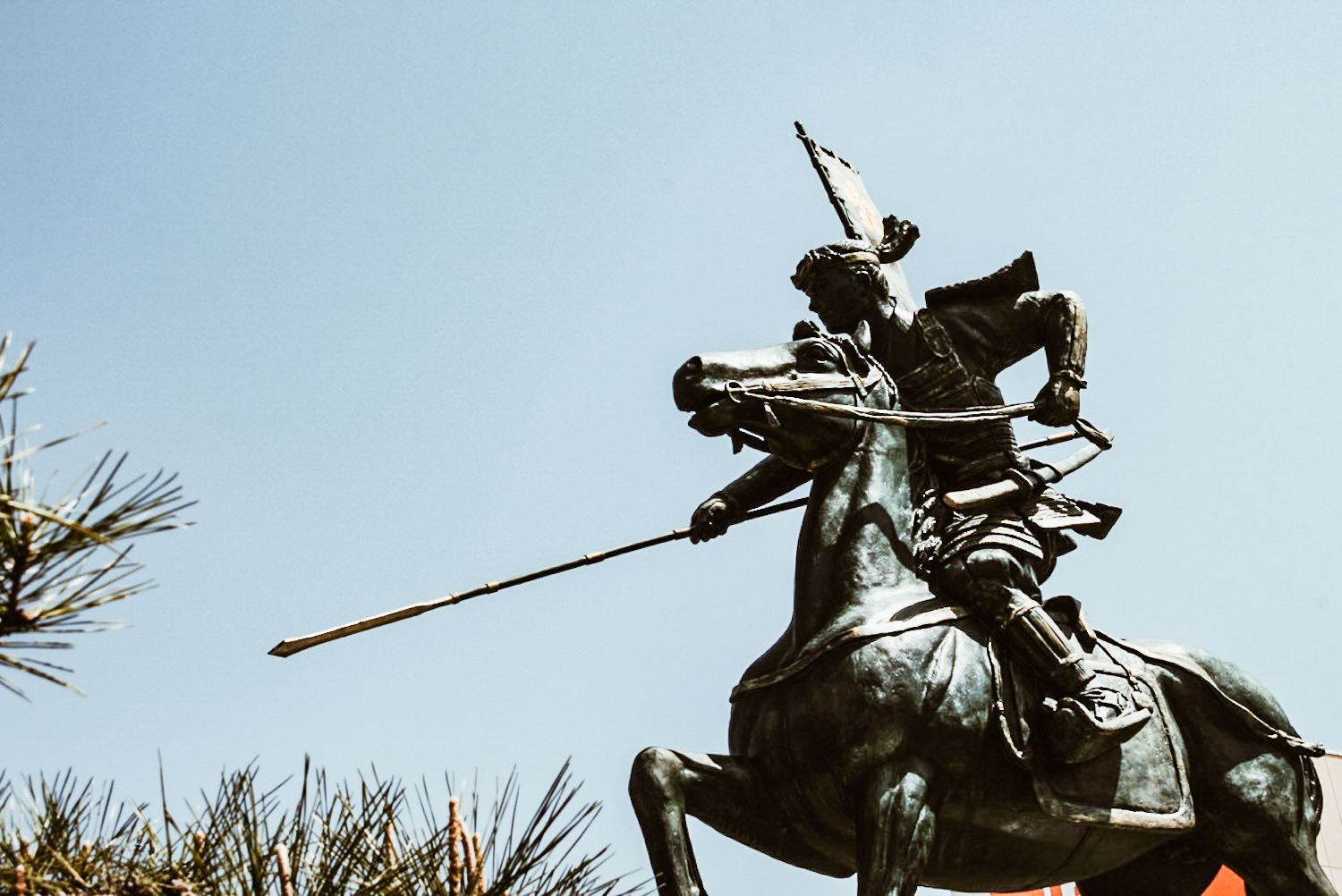
photo credits: samurai-world.com
Maeda Toshiie had a central group of very capable senior vassals. Some, such as Murai Nagayori and Okumura Nagatomi, maintained a long tradition with the Maeda.
After Nobunaga's assassination in Honnō-ji, Akechi Mitsuhide and Mitsuhide's subsequent defeat of Hideyoshi, Maeda Toshiie fought Hideyoshi under Shibata's command in the battle of Shizugatake. After the defeat of Shibata, Toshiie worked for Hideyoshi and became one of his main generals. Later Maeda Toshiie was forced to fight another of his friends, Sassa Narimasa. Narimasa was shot down by Toshiie following Maeda's great victory in the battle of Suemori Castle. Before he died in 1598, Hideyoshi appointed Maeda Toshiie to the council of the Five Elders to support Toyotomi Hideyori until he was old enough to take control. Despite this, Maeda Toshiie only managed to support Hideyori for a year before he died. Maeda Toshiie's successor was his son Toshinaga.
The Maeda Family
Maeda Toshiie's family played a very important role in her life. His wife, Maeda Matsu, very famous because being an expert in martial arts, was very decisive for Toshiie's rise to success.
Maeda Toshiie's older brother, Maeda Toshihisa, adopted Maeda Toshimasu (more famously by the name Maeda Keiji). Maeda Toshimasu served under Oda Nobunaga together with his uncle. Toshimasu was originally intended to inherit the direction of the Maeda family; however, after Oda Nobunaga replaced Toshihisa with Toshiie as head of the Maeda family, he lost this position. Perhaps because of this loss of inheritance, Toshimasu was well known for the constant quarrels with his uncle Maeda Toshiie.
Maeda Toshiie died in 1658 at the age of 64, and her grave is in the Maeda cemetery of Nodayama in Kanazawa.
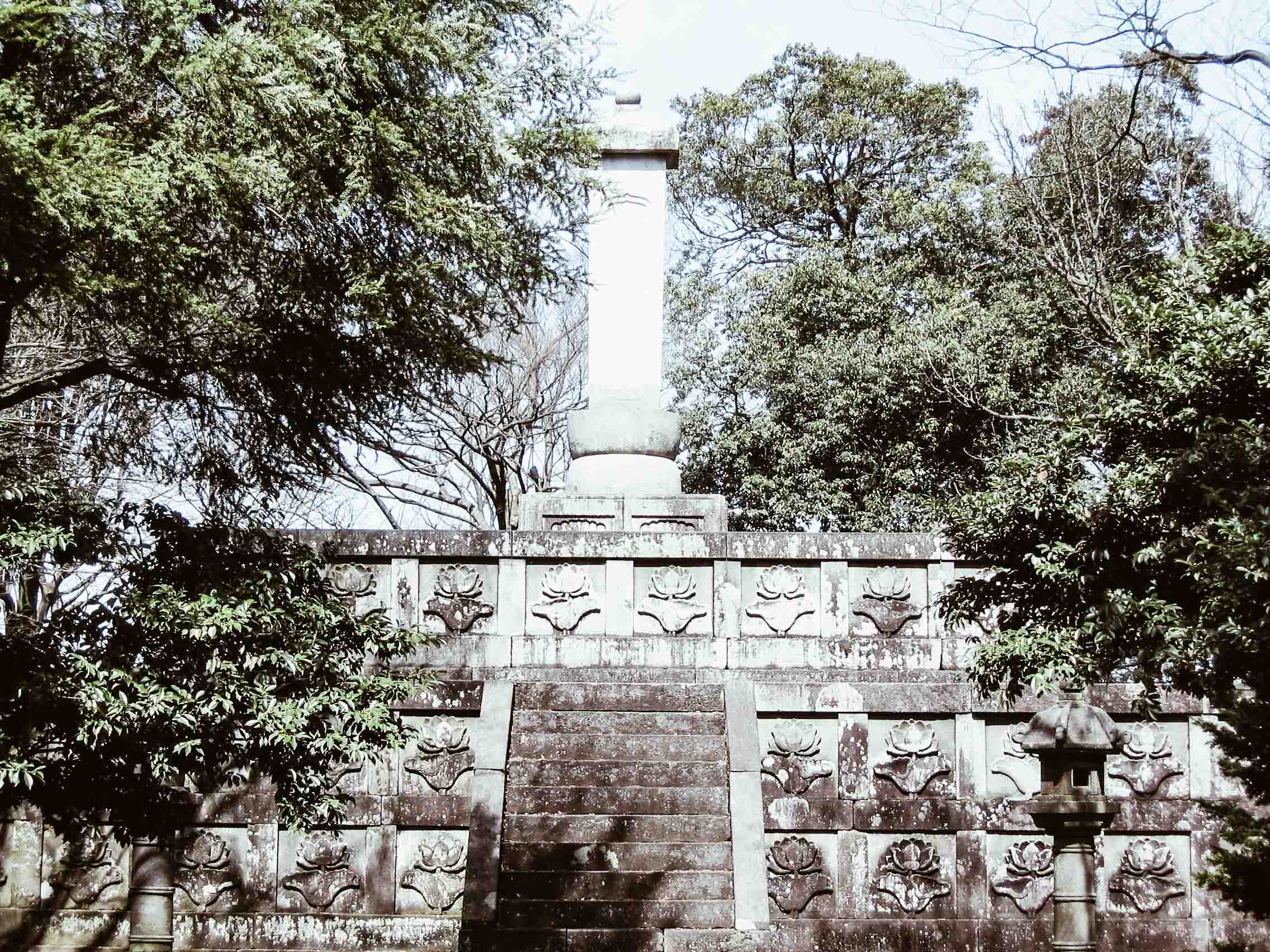 photo credits: wikimedia.org
Lucky charm, directly from Japan
Japan has rich and varied traditions, one of the most famous of which is the one linked to lucky charms or amulets. In fact, o-mamori (お守り) are easy to find and just go to any temple to buy them. But what exactly are they and how are they made?
O-mamori (お守り), amulets brings luck and lucky charm
author: Sara | source: Tokyo Weekender
Lucky charm par excellence, these amulets instil protection precisely because 守り (mamori) means protection/guide. In fact, an auspicious prayer written on paper or wood is then wrapped in a fine silk cloth. Made of different colours depending on the type for which they are intended, these lucky charms represent love, health, luck, money, learning, etc.
Their effectiveness is destined to wear off after a year or to achieve their purpose. In fact, in the end, you should take them where they were purchased so that they are burned in a sacred fire.
The story of the O-mamori
Their history has Shintoist and Buddhist religious roots. In fact, priests thought they could protect people by driving away evil spirits through small pocket blessings. In fact, the strength and protection of the gods were encapsulated here.
Over time the omamori have multiplied, there are many different features and they can be purchased in the sanctuaries and in the times scattered throughout the Japanese territory.
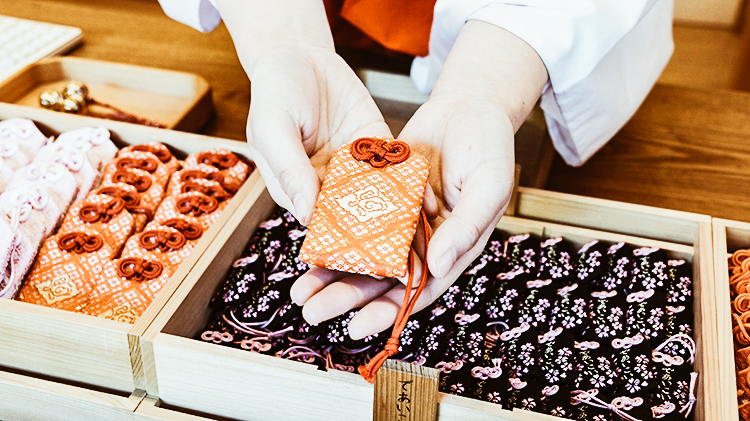
photo credits: web-japan.org
Traditional Omamori: protection for every need
KATSUMORI 勝守, the success
The prayer of this omamori will ensure that the one goal you have set yourselves and to which you are dedicating your energies will be realized.
YAKUYOKE 厄除け, ward off evil
Often achieving a goal can be difficult or even hindered, so this amulet will help prevent potential demons that could inhibit success.
SHOUBAI-HANJOU 商売繁盛, money
Usually of bright yellow colour and shaped like a "bag", this omamori can be more generic and therefore guarantee monetary fortune or more specifically how-to protect investments, savings or good business.
GAKUGYOU-JOUJU 学業成就, education and learning
Encouraging and motivational in studies this omamori is very popular among students and can be seen hanging from their backpacks as a good luck charm for school careers.
KOUTSU-ANZEN 交通安全, a safe journey
Travelling safely is one of everyone's desires and this amulet has become the most loved and popular among those who drive public transport (buses, taxis and aeroplanes). Its function is to make the roads safer and protect drivers and passengers from road and aerospace inattentiveness. In fact, there is its own version dedicated to aeroplanes that takes the name of KOKU-ANZEN.
EN-MUSUBI 縁結び, love
There is little to explain, whether you are single, engaged, married or about to have a baby, these omamori have only one function. In fact, their purpose is to guarantee and strengthen love, give happiness, simplify things, protect the heart.
KAIUN 開運, Fortuna
A general omamori, that of fortune, this one does not dictate guidelines or constraints. It is simply a fortune enhancer, a lucky charm for any choice or occasion.
SHIAWASE 幸せ, happiness
In the wake of KAIUN, SHIAWASE is also a "guarantor of happiness". In fact, this becomes a motivator to improve one's life by remembering the small nuances that can change all points of view.
KENKO 健康, health
This talisman, as it is easy to guess, aims to protect against disease, keep the body healthy and help those who have it to live a long life.
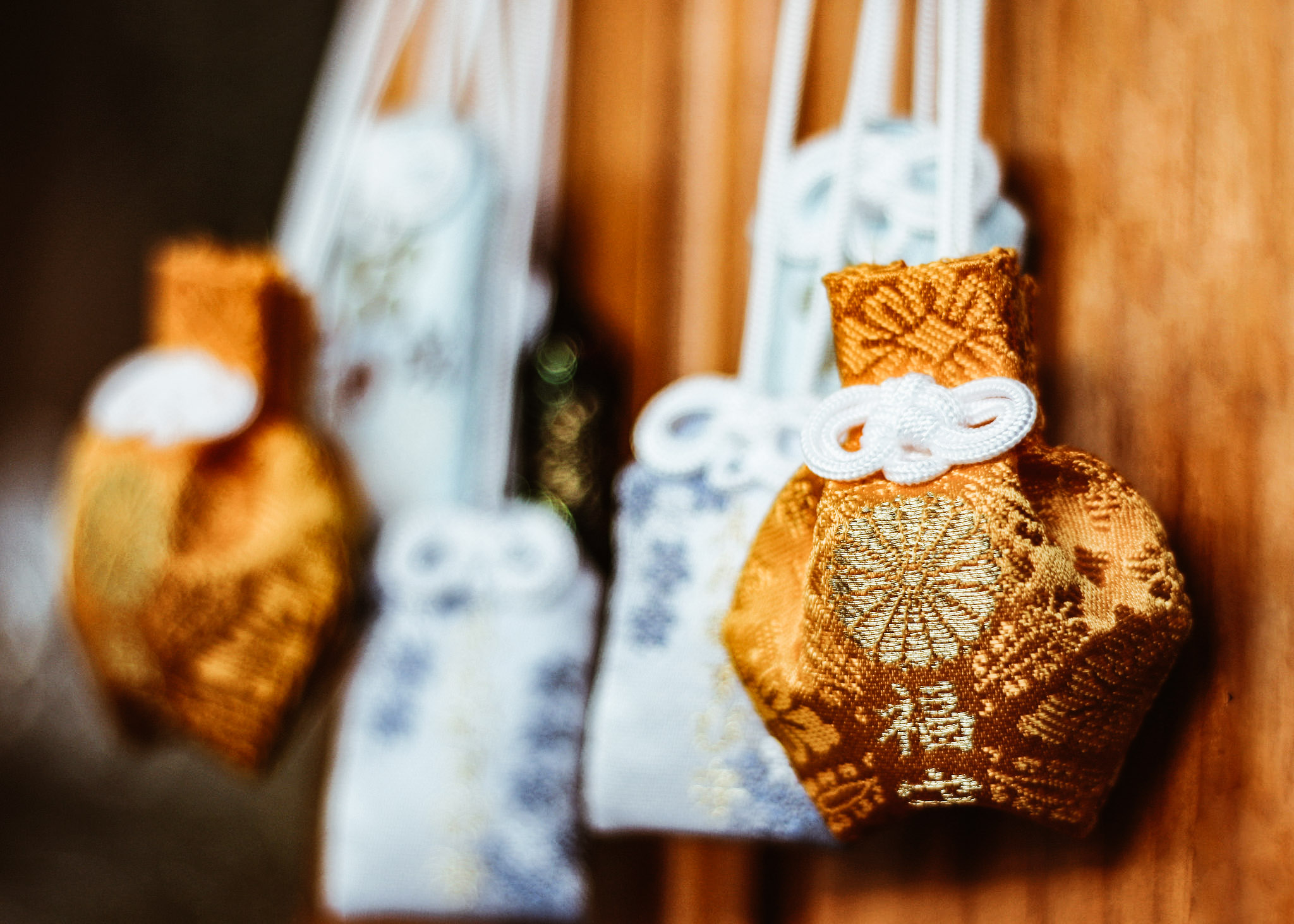
photo credits: Fiona Dawkins
Omamori details: sometimes you have to hit the mark
FROM A LIE TO THE TRUTH
This omamori is very different from what we're used to. In fact, it is made entirely of carved wood and is shaped like a little bird. It can only be found once a year, on January 25th at the Shrine of Yushima and its purpose is to transform all the lies into a song of truth.
THE "ETERNAL" BEAUTY
There is the generic omamori aimed at overall beauty. However, there are also specific omamori to have beautiful legs, or anti-ageing or to have a slimmer waist, beautiful eyes, better skin and much more.
PETS
It's not that hard to find protective amulets for animals! They deserve a special blessing too, don't they?
TECHNOLOGY
It might make us smile at the thought of an amulet that can protect against the pitfalls of the internet or the difficulties of using electronic devices, yet it exists!
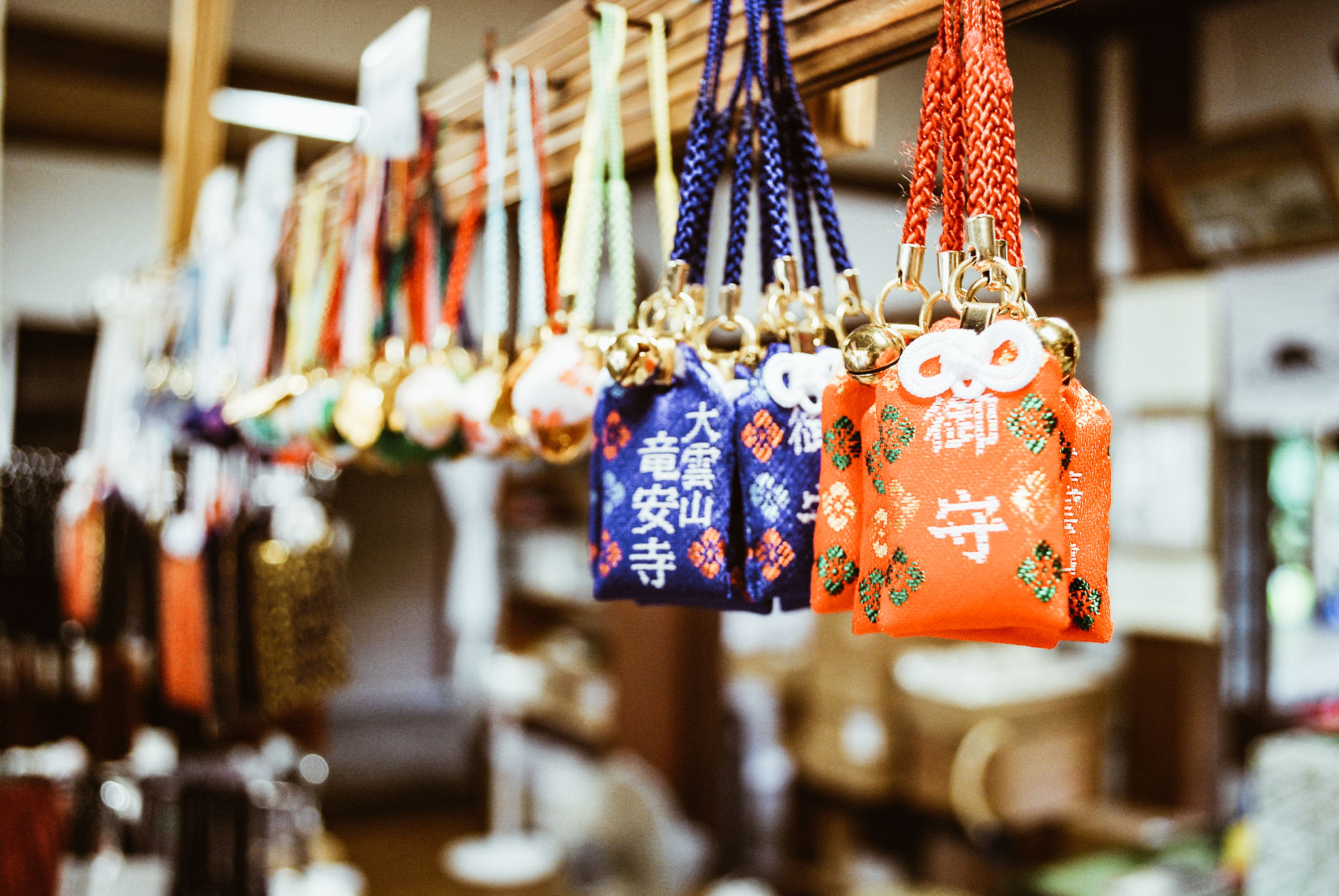
photo credits: Ryuko Studio Mexico
We could say that there is a lucky charm for each of us, unique combinations that probably won't change our existence. However, they are a nice way to wish the good of those we love or simply adorn our objects and means with something that reminds us of our goals.

Japanese Patterns
The Japanese are famous for their style and patterns related to kimono fabrics, pocket handkerchiefs and other items that have made history and remain one of the symbols of the land of the Rising Sun. Today we share with you some of the most famous patterns and we will try to analyze them together.
Traditional Japanese patterns, what they are and their meaning
Author: Erika | Source: Nippon.com
The Japanese tradition wants kimono, but also soft towels and other small Japanese objects to be decorated with precise fabrics. In fact, we often find very precise decorations on this type of fabrics. Every decoration and every pattern has a precise name and a well-defined origin that reveals hidden meanings with precise purposes. Here is a shortlist of the most traditional patterns.
Pattern: Uroko (Scales)

Created through the combination of triangles, this fabric resembles the skin of a snake or fish. In tradition, samurai wore clothes with this pattern as a protective talisman against evil.
Kōjitsunagi (Interlaced Kō Characters)

As we often find also in Western culture, the decorations of many fabrics correspond to a precise character repeated in a graphic way. In fact, this model takes its name from the use of the character 工 (kō), repeated interlocking so that the characters seem to stretch infinitely. This type of pattern is associated with luck and is a typical drawing used in materials to create kimonos.
Pattern: Asanoha (Hemp leaves)

Literally called Hemp Leaves, this Japanese pattern has a strong vitality just like the fibre of the same name. Hemp is a plant that grows vigorously without much care. In fact, this is the focus of the pattern that is often used in the creation of kimonos for children and infants in the hope that they too will grow strong.
Yabane / Yagasuri (Arrow feathers)

This Japanese pattern is based on the stylization of hawk, eagle and other birds feathers used in the manufacture of arrows. Behind this type of fabric, as always, we find a deep symbolism. In fact with the pointing to the target, arrows have long been used as a good omen. However, once shot, the arrows do not return, and for this very reason, in the Edo period, brides were given kimonos with this design as a good luck charm. In fact, this pattern was a kind of good luck charm to make sure that new brides didn't have to return to their family home.
Also, in the late seventies, this pattern became famous thanks to Benio, the main character of Haikara-san, a manga for teenagers. In fact, she wore this type of kimono at school and this led to the combination with burgundy hakama, a type of split skirt. This led teenagers to make this Japanese pattern a popular combination at graduation ceremonies.
Pattern: Same Komon (shark skin)

Thanks to the superimposed arcs in small dots, this Japanese pattern is reminiscent of shark skin and hence its name. In the tradition we often find it used by the Kishū Tokugawa family, to which belonged the Shōgun Tokugawa Yoshimune (1684-1751).
Seigaiha (Blue ocean waves)

One of our favourites, this model is reminiscent of the fan waves of the open sea. The name comes from the ancient gagaku court dance called Seigaiha. During these ancient performances, the dancers wore costumes with this very motif.
Shippō (Seven treasures)

With circles that overlap in quarters resembling petals, their centre forms a shining star. This pattern is given the meaning of good omen for the prosperity of your descendants, good relationships and to bring harmony into your lives.
Pattern: Kikkō (Turtle)

Another auspicious pattern, this design comes from the shape of the turtle shell (hexagon) and that's where it takes its name from. This not only represents luck but also longevity. Depending on how it is composed, the hexagons form different variations for this type of design, including Kikkō hanabishi and Bishamon kikkō. In the former, the centre of the hexagons forms flowers, while the latter is formed by joining three hexagons.
Ichimatsu (chequered)

With several coloured squares arranged alternately, this pattern is very similar to ginkgoam. A common fabric since ancient times, this pattern became famous as Ichimatsu in the 18th century thanks to the kabuki actor Sanogawa Ichimatsu. In fact, the artist loved to use this fabric on his hakama costume. Today we find it in the official logos of the Tokyo 2020 Olympic and Paralympic Games.
Tachiwaki / Tatewaki (rising steam)
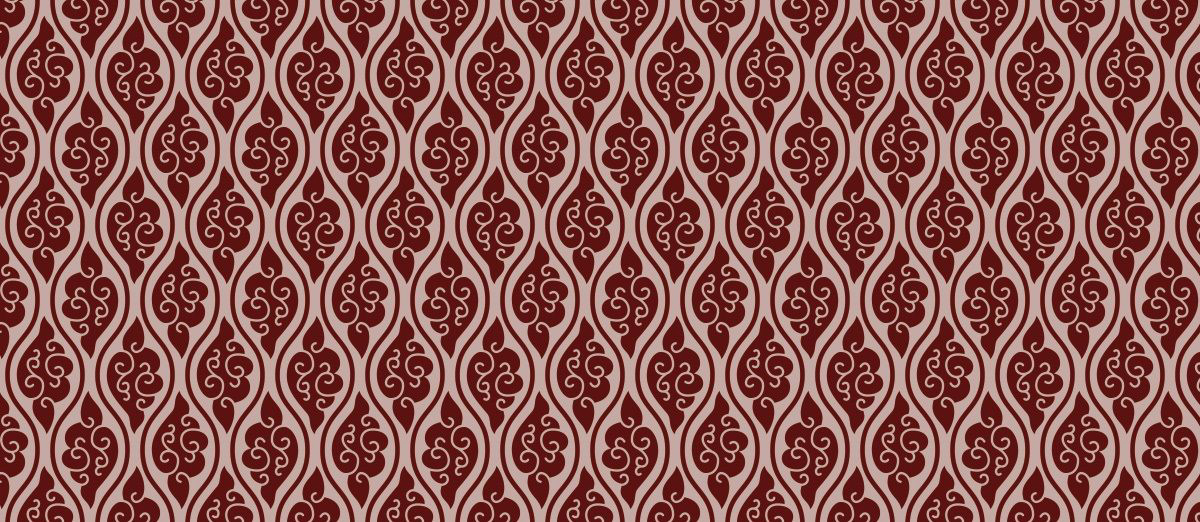
With two curved lines representing the steam rising in a stylized way, this pattern was often used in kimonos for noble and high-ranking people in the Heian period. The way these curved lines are formed serves to create variations called Kumo tatewaku (cloud) and Sasa tatewaku (bamboo).
Karakusa (Winding Plant)

Introduced in Japan with the arrival of the Silk Road, vines and spirals extending in all directions symbolize longevity and prosperity. However, this pattern became famous as a design for furoshiki cloth that thieves used to take away stolen goods. This suggests that this pattern was very popular because in every house you could find a furoshiki with this design.
Kanoko (Fawn)
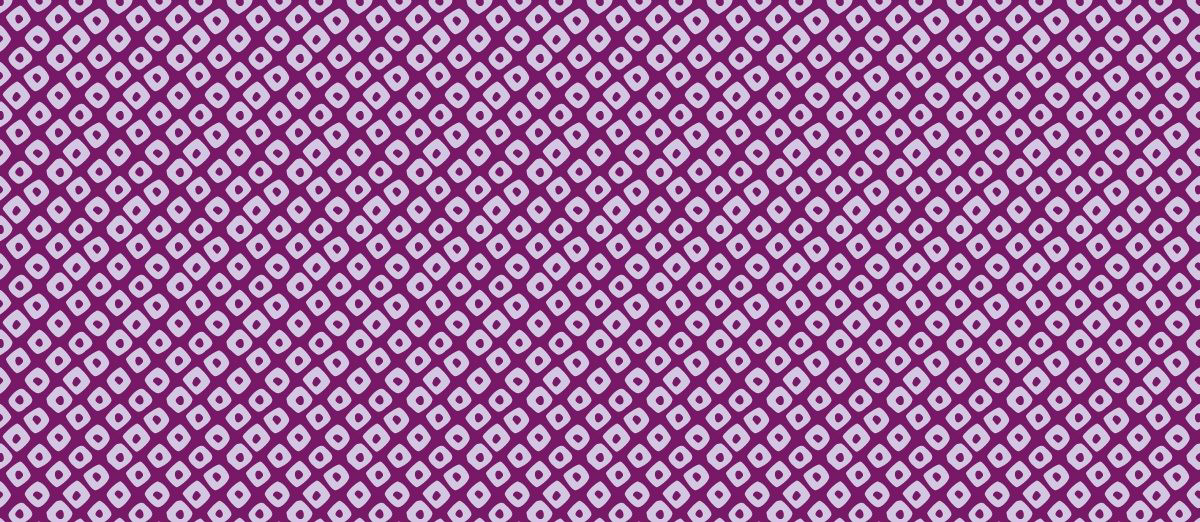
Resembling the spotted back of a fawn, this pattern is created by hand using a special dyeing technique. However, the laborious process makes it a highly sought after fabric, in fact, kimonos with an all-over kanoko pattern are considered objects of great luxury.
Hishi (Diamond)

Pattern with geometric shapes, this pattern is created when two parallel lines intersect. We often find it on the ceramics of the ancient Jōmon period. Moreover, we find this pattern in different variations that include Waribischi, four diamonds combined to form a single diamond, and Hanabischi, where the petals of the flowers are shaped in diamonds.
Mameshibori (Mame Tie-dye)

This patter was the most common pattern on bath towels in the Edo period. In fact, the name comes from a play on words that means both peas or beans, is robust and healthy. This pattern represents the hope to stay healthy and most of the patterns of the time are created with stencil dyeing or printing techniques. However, under the name of shibori, we can understand that originally the design was made by hand with a particular dyeing technique. In fact, we note that in antiquity, these shapes were much more irregular than the prints of today.