






The Art of Shibori: Much More Than Just Tie-Dye
If you think dyeing fabric is just a matter of knots and bright 70s-style colors, get ready to think again. In Japan, there is an ancient art that transforms silk and cotton into masterpieces of texture and nuance: Shibori.
It’s not just a technique; it’s a philosophy that celebrates unpredictability and patience. Let’s dive together into this world of deep blues and enchanted patterns.
What is Shibori?
The term comes from the Japanese verb shiboru, which means “to wring, squeeze, or press.” Unlike traditional dyeing, where fabric is submerged uniformly, Shibori works through resistance.
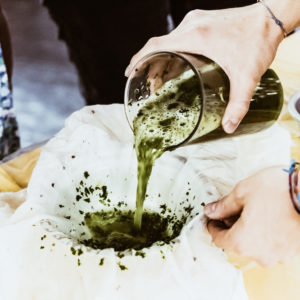
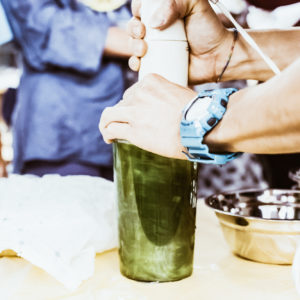
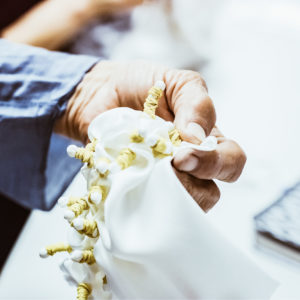
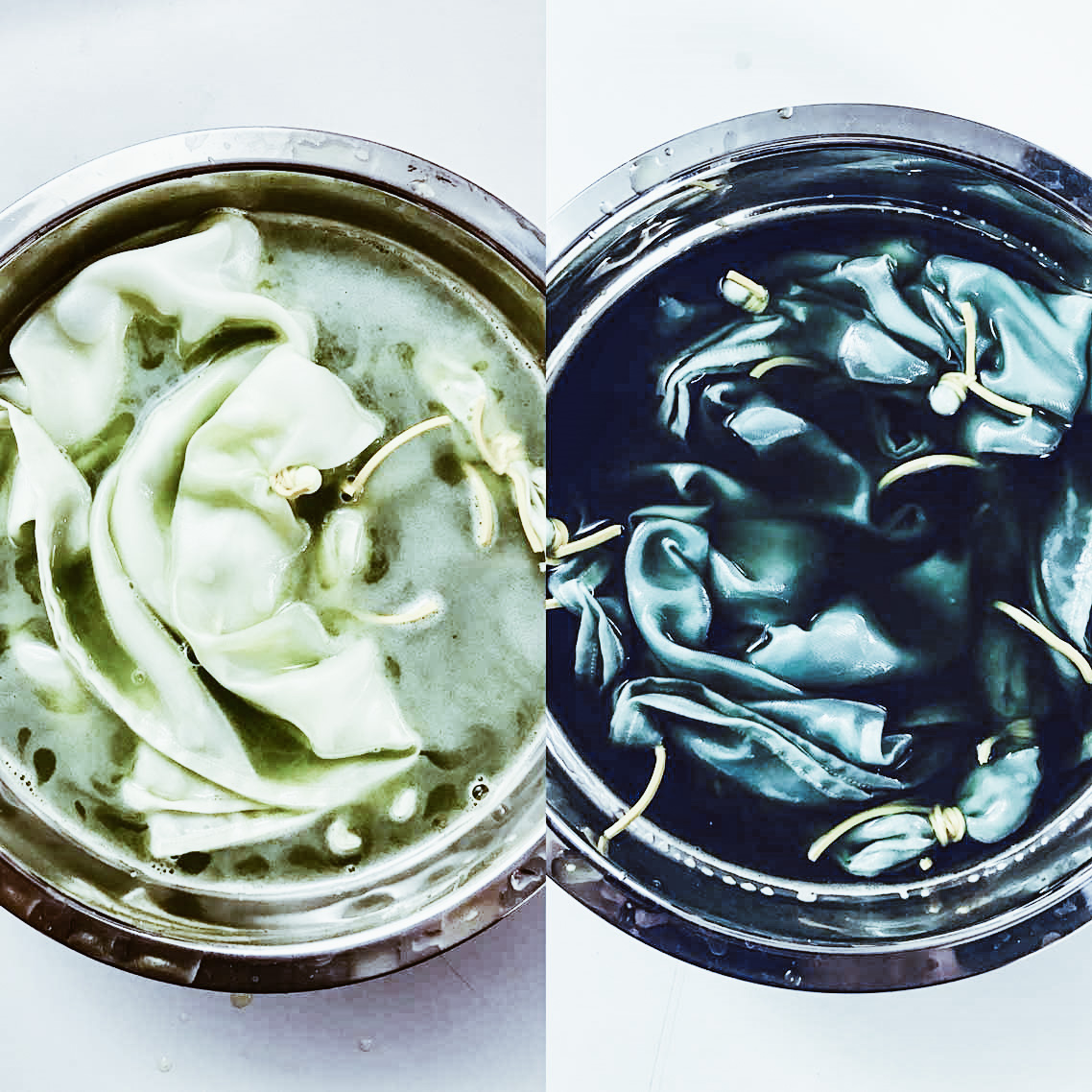
Through folding, stitching, twisting, or binding, the artisan “protects” certain areas of the cloth from the dye. The result? A sharp or soft contrast between the original white and the intensity of the pigment (usually indigo).
Core Techniques: An Alphabet of Shapes
There are infinite ways to manipulate fabric, but here are the most iconic:
-
Kanoko Shibori: Similar to modern tie-dye, it uses thread to bind small sections of fabric, creating the classic “ringed” patterns.
-
Arashi Shibori (The “Storm”): The fabric is wrapped around a pole, compressed, and bound. The final pattern mimics the sight of driving rain during a storm.
-
Itajime Shibori: A technique using clamps and wooden shapes to create repeated geometric patterns—modern in look, but handcrafted in soul.
-
Nui Shibori: This is where the needle comes in. The fabric is stitched with precision and then pulled tight before dyeing. It allows for the highest level of detail and control.
The Charm of Wabi-Sabi
Why does Shibori still fascinate us today? The answer lies in the concept of Wabi-Sabi: the aesthetic of imperfection and transience.
“In Shibori, no two pieces are ever identical. Even when following the same pattern, the strength of the hand, the porosity of the fiber, and the immersion time create unique variations.”
In a world dominated by fast fashion and digital precision, Shibori reminds us of the value of human touch and the beauty that arises from controlled chaos.
Bringing Shibori Into Your Daily Life
Today, Shibori isn’t just found on precious silk Kimonos. You can find it in:
-
Home Decor: Pillows and table runners that add a zen-chic touch to any living room.
-
Accessories: Scarves and bags that serve as unique conversation pieces.
-
Workshops: It is a beautiful, meditative activity to try at home with a natural indigo kit.
A Journey That Continues…
Whether it’s an ancient fragment of cloth in a Kyoto museum or a contemporary t-shirt, Shibori continues to tell a story of resilience and beauty. The next time you see those sea-blue and cloud-white gradients, you’ll know that the breath of an artisan lies behind them.