







Three ways to say "I Love you"
"Ti Amo, I love you" How do you say that in Japanese? There are so many kinds of love, why should we express love only one way? The Japanese know a lot, they know that every kind of love needs a way to be expressed, a completely personal way.
Ti Amo / I Love you, here's how to say it in Japanese
Author: SaiKaiAngel | Source: SoraNews24
All this, you think, happens in a country that is seen as "cold and distant". Perhaps, thinking about this, we should understand that cold and distant is not, indeed. It is a country that gives the right importance to history, tradition and feelings.
Let's start looking at all the ways of showing love in Japanese, let's analyze them one by one.
1. Suki - I like you

This is the most used and most famous way because it is found in many conversations of Japanese animation. We analyze it first also because it is the least "deep", in fact, more than love, it can also mean "I like". You can safely say "Ramen ga suki desu" that no one will see you as a fool in love with a plate of ramen, but everyone will understand that you like ramen. So you can use suki to express an appreciation for a singer or an actor too.
That's why suki can be confusing. If you hear this word, you might run into the question of whether you really like us as a person or just as a ramen dish. It's a very flexible meaning, not at all secure, yet it is used at the beginning of every love story. When you want to propose to someone, you can use suki desu to do so. Very important at that point, it will be the WAY in which you do it, you have to make the other person understand that you have serious intentions and you are not just a dish of ramen. It takes conviction in the voice, it's not a simple "I like". With a great conviction, then you will have the right colour of falling in love.
2. Koi - I love you

We're not talking about the carp, but the second way the Japanese use to talk about love. We're in the field of romantic love here. Koi is the young and passionate emotion, but it's rarely used to say "I love you". Maybe we can bring it closer to "I love you" by Americans, which can mean both "love you" and "deeply care about you". However, the verb koi suru is closer to "to be in love" or "to be romantically involved". In fact, the word Koi is used for Koibito meaning lover.
3. Ai - Ti Amo

And here we come to the most famous, the most used term for the word Love.
Ai is a noun that means "love", but it can be used for something more than just romantic affection. Ai or the variant aijo, are also used to talk about the concepts of love for the family, for a platonic love or for all humanity. Used as a verb, it becomes ai suru.
Then why do we use suki desu to confess our love? Simply because ai is a much more serious and committed feeling. Ai suru would be a bit... frightening, especially for a story that's just begun. We have to go step by step and Suki desu is what allows us to do that. It would also be better to change the verb suru to shiteiru. By telling your partner to the shiteiru, you're showing an ongoing love, not just an initial crush. As far as I'm concerned, it's the term I like best, also because it's the first one I've ever heard.

What does that tell us? That Japanese is a very romantic language despite what you hear. Are Japanese cold? All impression. Japanese can give the right meaning and depth to anything, even love. What term would you use for your love?


Japanese Patterns
The Japanese are famous for their style and patterns related to kimono fabrics, pocket handkerchiefs and other items that have made history and remain one of the symbols of the land of the Rising Sun. Today we share with you some of the most famous patterns and we will try to analyze them together.
Traditional Japanese patterns, what they are and their meaning
Author: Erika | Source: Nippon.com
The Japanese tradition wants kimono, but also soft towels and other small Japanese objects to be decorated with precise fabrics. In fact, we often find very precise decorations on this type of fabrics. Every decoration and every pattern has a precise name and a well-defined origin that reveals hidden meanings with precise purposes. Here is a shortlist of the most traditional patterns.
Pattern: Uroko (Scales)

Created through the combination of triangles, this fabric resembles the skin of a snake or fish. In tradition, samurai wore clothes with this pattern as a protective talisman against evil.
Kōjitsunagi (Interlaced Kō Characters)

As we often find also in Western culture, the decorations of many fabrics correspond to a precise character repeated in a graphic way. In fact, this model takes its name from the use of the character 工 (kō), repeated interlocking so that the characters seem to stretch infinitely. This type of pattern is associated with luck and is a typical drawing used in materials to create kimonos.
Pattern: Asanoha (Hemp leaves)

Literally called Hemp Leaves, this Japanese pattern has a strong vitality just like the fibre of the same name. Hemp is a plant that grows vigorously without much care. In fact, this is the focus of the pattern that is often used in the creation of kimonos for children and infants in the hope that they too will grow strong.
Yabane / Yagasuri (Arrow feathers)

This Japanese pattern is based on the stylization of hawk, eagle and other birds feathers used in the manufacture of arrows. Behind this type of fabric, as always, we find a deep symbolism. In fact with the pointing to the target, arrows have long been used as a good omen. However, once shot, the arrows do not return, and for this very reason, in the Edo period, brides were given kimonos with this design as a good luck charm. In fact, this pattern was a kind of good luck charm to make sure that new brides didn't have to return to their family home.
Also, in the late seventies, this pattern became famous thanks to Benio, the main character of Haikara-san, a manga for teenagers. In fact, she wore this type of kimono at school and this led to the combination with burgundy hakama, a type of split skirt. This led teenagers to make this Japanese pattern a popular combination at graduation ceremonies.
Pattern: Same Komon (shark skin)

Thanks to the superimposed arcs in small dots, this Japanese pattern is reminiscent of shark skin and hence its name. In the tradition we often find it used by the Kishū Tokugawa family, to which belonged the Shōgun Tokugawa Yoshimune (1684-1751).
Seigaiha (Blue ocean waves)

One of our favourites, this model is reminiscent of the fan waves of the open sea. The name comes from the ancient gagaku court dance called Seigaiha. During these ancient performances, the dancers wore costumes with this very motif.
Shippō (Seven treasures)

With circles that overlap in quarters resembling petals, their centre forms a shining star. This pattern is given the meaning of good omen for the prosperity of your descendants, good relationships and to bring harmony into your lives.
Pattern: Kikkō (Turtle)

Another auspicious pattern, this design comes from the shape of the turtle shell (hexagon) and that's where it takes its name from. This not only represents luck but also longevity. Depending on how it is composed, the hexagons form different variations for this type of design, including Kikkō hanabishi and Bishamon kikkō. In the former, the centre of the hexagons forms flowers, while the latter is formed by joining three hexagons.
Ichimatsu (chequered)

With several coloured squares arranged alternately, this pattern is very similar to ginkgoam. A common fabric since ancient times, this pattern became famous as Ichimatsu in the 18th century thanks to the kabuki actor Sanogawa Ichimatsu. In fact, the artist loved to use this fabric on his hakama costume. Today we find it in the official logos of the Tokyo 2020 Olympic and Paralympic Games.
Tachiwaki / Tatewaki (rising steam)

With two curved lines representing the steam rising in a stylized way, this pattern was often used in kimonos for noble and high-ranking people in the Heian period. The way these curved lines are formed serves to create variations called Kumo tatewaku (cloud) and Sasa tatewaku (bamboo).
Karakusa (Winding Plant)

Introduced in Japan with the arrival of the Silk Road, vines and spirals extending in all directions symbolize longevity and prosperity. However, this pattern became famous as a design for furoshiki cloth that thieves used to take away stolen goods. This suggests that this pattern was very popular because in every house you could find a furoshiki with this design.
Kanoko (Fawn)

Resembling the spotted back of a fawn, this pattern is created by hand using a special dyeing technique. However, the laborious process makes it a highly sought after fabric, in fact, kimonos with an all-over kanoko pattern are considered objects of great luxury.
Hishi (Diamond)

Pattern with geometric shapes, this pattern is created when two parallel lines intersect. We often find it on the ceramics of the ancient Jōmon period. Moreover, we find this pattern in different variations that include Waribischi, four diamonds combined to form a single diamond, and Hanabischi, where the petals of the flowers are shaped in diamonds.
Mameshibori (Mame Tie-dye)

This patter was the most common pattern on bath towels in the Edo period. In fact, the name comes from a play on words that means both peas or beans, is robust and healthy. This pattern represents the hope to stay healthy and most of the patterns of the time are created with stencil dyeing or printing techniques. However, under the name of shibori, we can understand that originally the design was made by hand with a particular dyeing technique. In fact, we note that in antiquity, these shapes were much more irregular than the prints of today.


Things to do in quarantine: Building a miniature Akihabara
Building miniature Akihabara in your home
written by: Erika | source: TimeOut Tokyo
Although things are starting to get better here in Italy, we continue our section on things to do in quarantine, and today we share with you how to build a mini Akihabara.
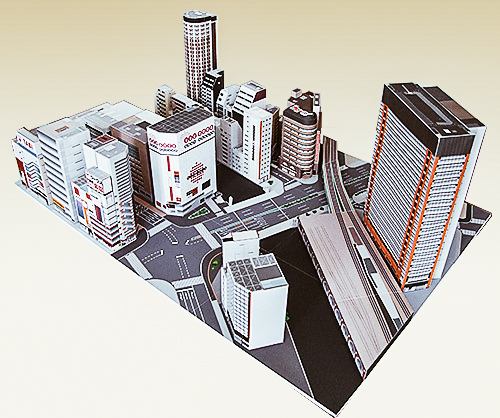

Akihabara is one of the favorite destinations for all otaku and fans of Japan, a historic district dedicated precisely to everything that is manga, anime, and video games. In this delicate moment, we are not yet allowed to travel. However, there is no need to take the plane to get to know new places and visit the ones we have already seen. In fact today we share with you the opportunity to recreate miniature Akihabara directly from your home!
In Akihabara, there are not only many places dedicated to that world that we would call nerd, but there are also many clubs and shops dedicated to various hobbies. One of them is the Mansei Club, a corner offering a variety of fun games, origami instructions, and paper models all for free.
If you're still stuck at home and don't know what to do, you can now recreate the iconic Tokyo neighborhood with these detailed paper models. In fact, the streets of Akihabara are all reported in these detailed scale reproductions. Creating this model is very simple, just follow the instructions listed in these PDFs available for free for download. In fact, these reproductions perfectly show the buildings of Akihabara and also where these buildings must be positioned. Although the instructions are in Japanese, it is actually very simple to follow them also thanks to the various illustrations.

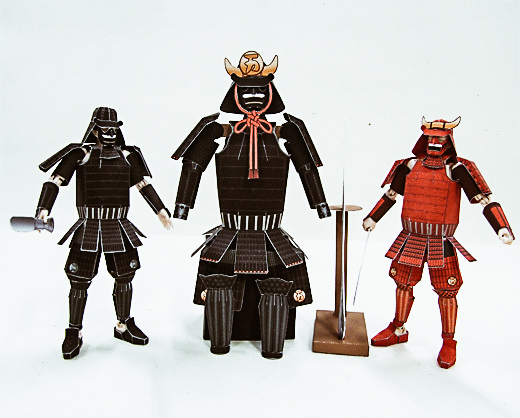
However, if building an entire neighborhood seems too complicated for you, don't worry there are many other possibilities. In fact, Niku no Mansei offers more than 50 paper models that you can download for free. With a design that varies from reproductions of famous Samurai up to reproductions of the most famous Japanese foods. In short, here we find the opportunity to satisfy every taste and every type of hobby! You just have to choose your model, download it, and get to work! We are curious to see the results!

Things to do in quarantine: Learn Japanese cuisine
Learn Japanese cooking with 5 YouTubers
written by: Erika | source: TokyoWeekender
We continue our column on things to do in quarantine and today we talk to you how to learn Japanese cuisine with the help of 5 YouTubers.
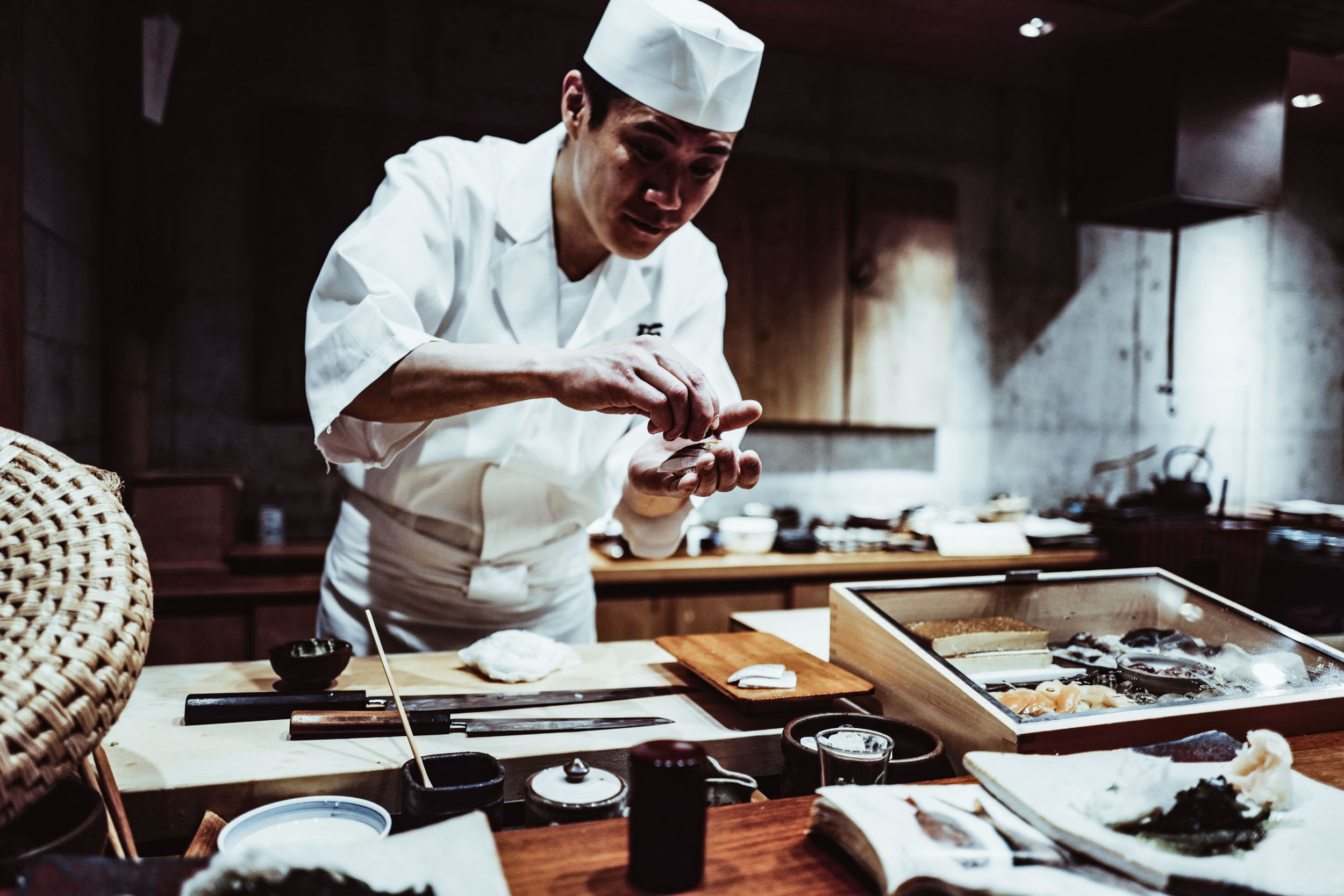
In these lockdown days, we are all trying our hand at new recipes and experimenting with new combinations of flavors. Here are 5 YouTubers to follow in order to learn Japanese cuisine and try out some dishes at home!
Tasty Japan
They are our favorites. A lot of simple recipes to follow, with all the ingredients easily recoverable in any part of the world you live in. From desserts to first courses, from quiches to second courses. Authentic and fun, Tasty Japan engages the viewer with educational videos and many guests. Almost all the videos have English subtitles and all the presenters are very funny and full of energy, making even the most complicated dishes easy to do. Videos that fall into the #foodporn category par excellence, make sure you're on a full stomach when you try to cook these delights.
Ochikeron
Mother of two, the protagonist of the channel Ochikeron creates dishes to allow the whole family to cook together. In fact, the simplest dishes on the channel can be cooked together with the little ones too. However, more complicated dishes that require more time and energy are available for all those fearless enough to try all these new recipes. All this makes this channel a unique world for all those kitchen projects to be created together. Furthermore, if you are fed up with the usual dinners, this is the right place to find new ideas.
Japanese Cooking 101
With a huge selection of videos, Japanese Cooking 101 not only offers dishes easy to make, but more complicated processes can also be found. From Karaage to fried rice with chanko nabe, a perfect hot-pot style dish for the winter, this youtube channel is a real catalog of Japanese cuisine. In fact, we can find a lot of recipes to experiment and each video shows a complete list of ingredients together with instructions on how to create the dish. Although other channels have some entertainment, Japanese Cooking 101 has a more didactic and dry approach, but very easy to follow.
Diaries of a Master Sushi Chef
If, however, like many Westerners you love sushi too, Hiroyuki Terada's channel is the one for you! The diaries of this master sushi chef will teach you how to juggle knives, fillets, and much more. In fact, on this channel, you will find methods to create delicious sushi but also dishes such as chicken teriyaki and many other izakaya-style delights. With collaborations of the caliber also of Chef Ramsey, this is the channel for all those who want to seriously try their hand at learning the art of sushi.
Aki’s Japanese Recipes for Vegans
Vegan and vegetarian restaurants are difficult to find in Tokyo, this has led to the creation of various YouTube channels including that of Aki. In fact, on this channel, you can find the best recipes for all those who love unconventional cuisine. A real sensorial experience in HD for an accessible channel and with the instructions written in Japanese and English. In addition, Aki, the protagonist of the channel, always takes the time to better explain his recipes and ensure that the dishes always look good.
Things to do in Quarantine: the best podcasts about Japan
The best Podcast about Japan
written by: Erika | source: TimeOut Tokyo
Let's continue our feature on things to do in quarantine and today we talk to you about some podcasts dedicated to Japan.
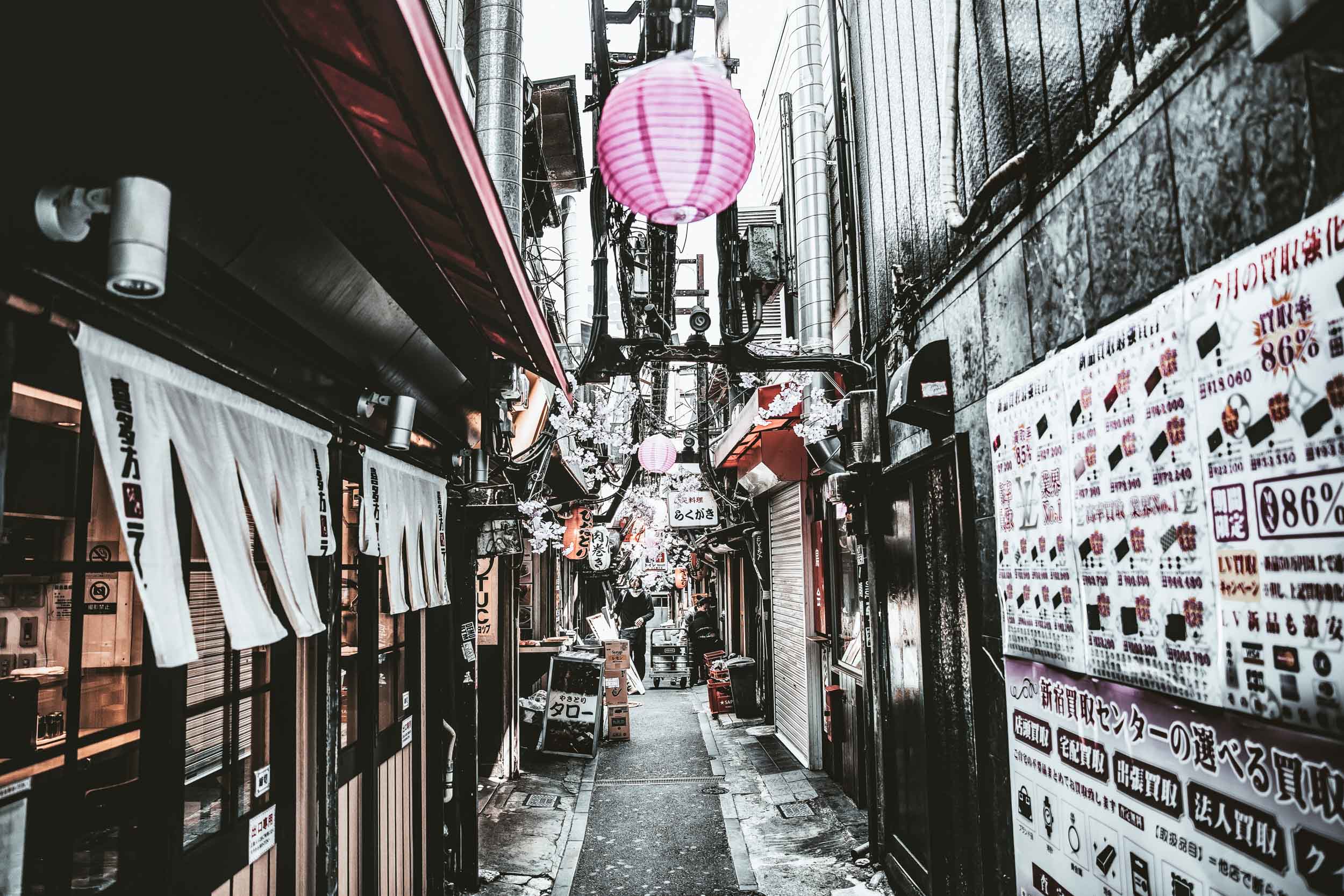
The COVID-19 emergency has practically made it impossible to plan trips for at least another year. However, for all fans of Japanese culture, today we share with you an easy and fun way to learn more about this topic. In fact, there are several podcasts that can fill this void by helping you discover Japan's many facets. In fact, through these audios, it will be possible to discover the many hidden aspects and facets of the Rising Sun without having to face crowded flights and trains.
For example, are you aware of why spider lily flowers are located near Japanese cemeteries and rice fields? Do you know who the pioneering women of the Rising Sun were? These podcasts will not only delve into the food, history, and legends of this country but will also answer questions you didn't even know you had. So, in this moment where we cannot go out and travel, let these podcasts take you on a few minutes journey through Japan.
Japan Eats - Learn about Japanese cuisine

Japan Eats is a podcast of a historic Brooklyn-based radio focused on food. Presented by Akiko Katayama, Japanese cuisine journalist and director of the New York Japanese Culinary Academy. Here we talk about everything from the various trends of Japanese cuisine, to drinks and much more. In one of the recent episodes, Akiko focused even on how to live a vegetarian life in Japan, the art of the Yakitori and more. The podcast already has more than 180 episodes with a new one every week.
Uncanny Japan - All Japanese legends in one podcast
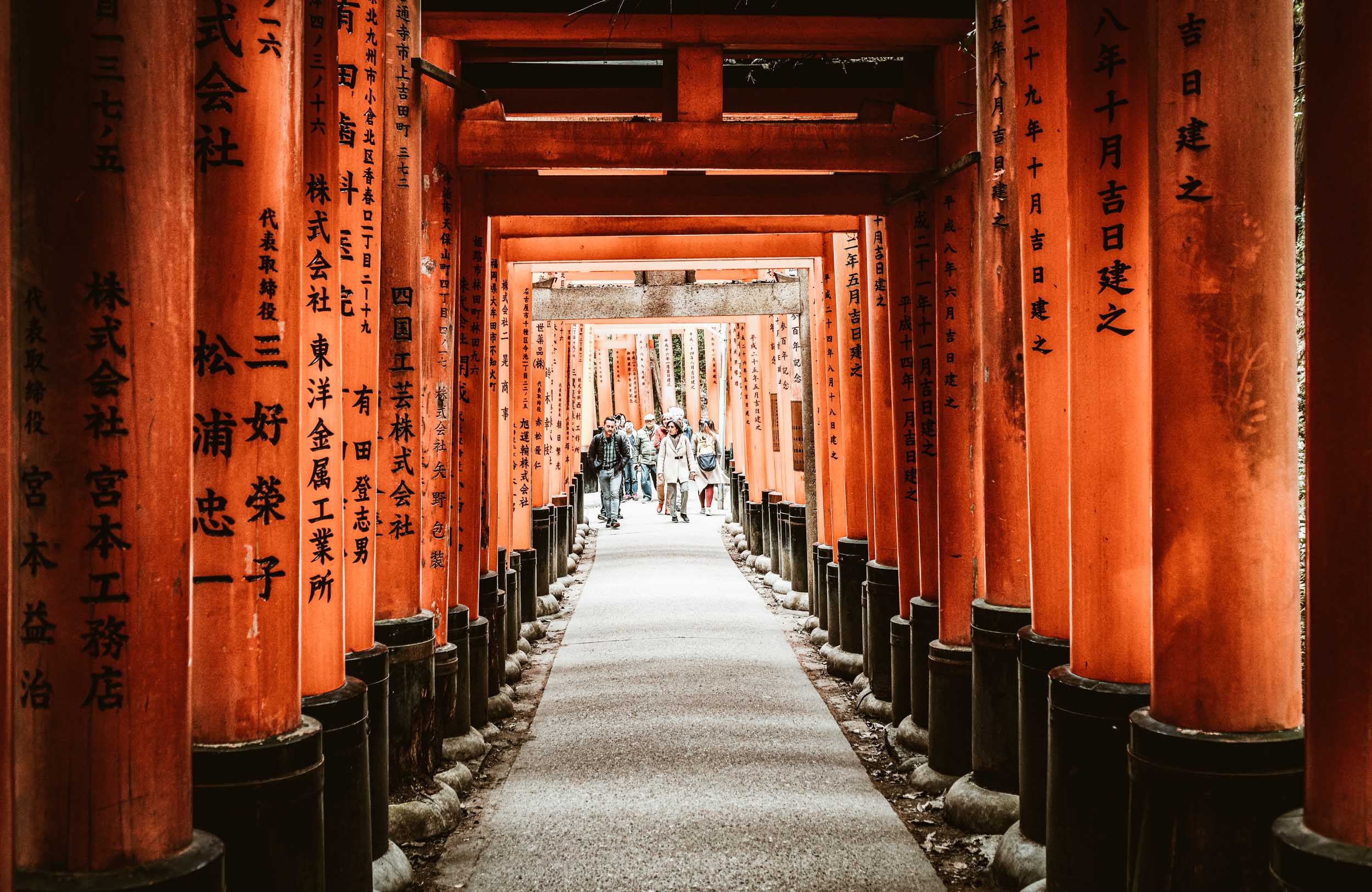
Theresa Matsuura, an American author who has lived half her life in a fishing village in Japan, presents Uncanny Japan. In this podcast, Matsuura talks about those parts of Japanese culture that are often invisible or inaccessible to anyone who does not speak the language. At the same time, it offers an insight into local customs, legends, folklore and superstitions of the rising sun. Ready to immerse yourself in the imaginative and sometimes even spooky Japanese fairy tales?
History of Japan - Learn Japanese history
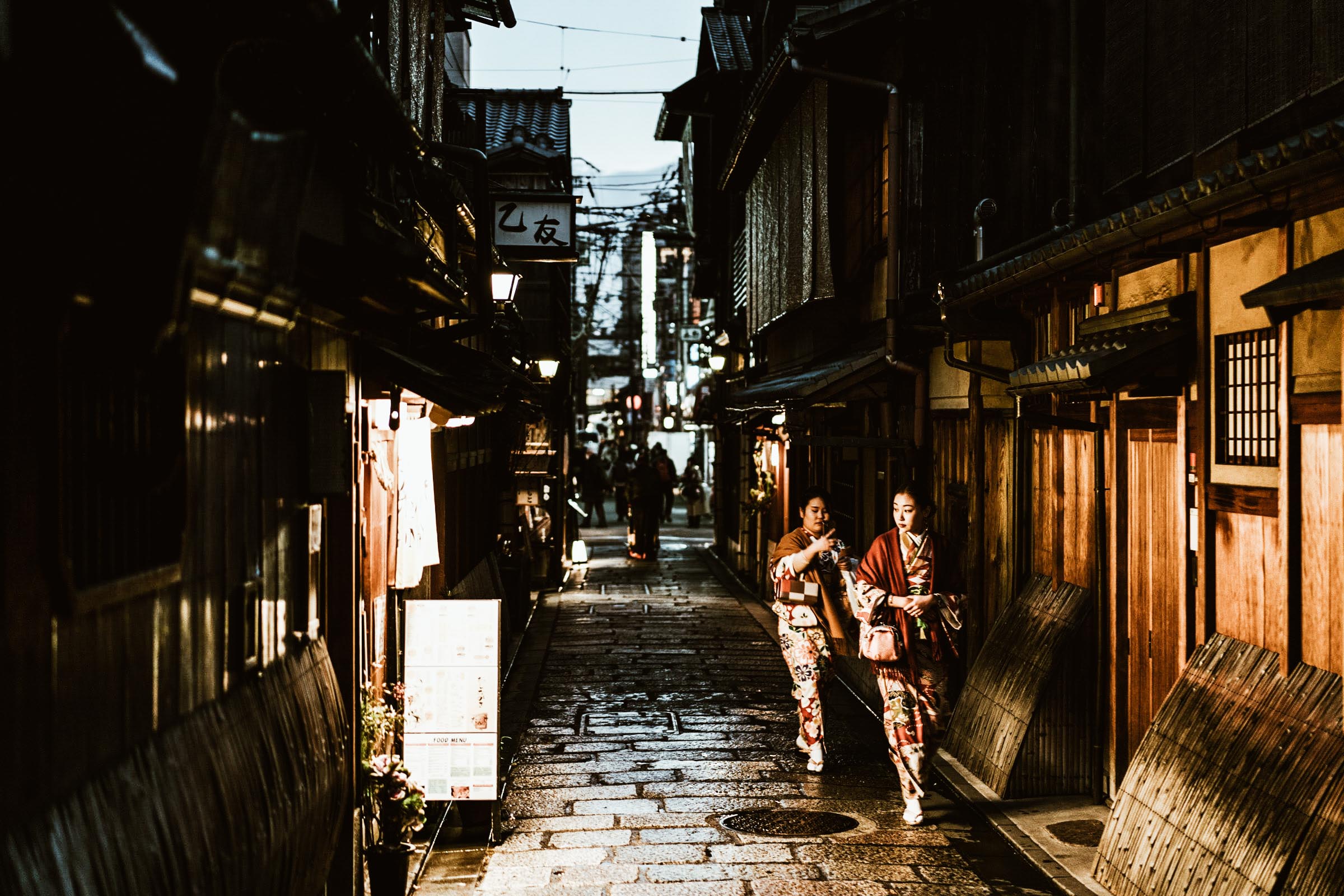
Isaac Meyer, a teacher with a PhD specializing in modern Japan, leaves nothing hidden in this historical podcast. From ancient to modern Japan, passing through poets, political scandals, economic booms, samurai, geishas and much more. Indeed, this podcast is an in-depth look through the history of the rising sun in each episode. Informative but also fascinating to hear, History of Japan has more than 300 episodes that can keep you company in this lockdown period.
Voices in Japan - Life in Japan

Ben and Burke, expats in Japan who live in Hokkaido, share their life experience in the land of the Rising Sun. The podcast Voices in Japan talks about their life from work to studying the Japanese language, and also learning the customs of the nation and much more. The weekly episodes include general topics related to living in Japan such as a look at the Japanese health system. In addition, the talk also revolves around the love of technology, Sumo and the potential benefits of the Japanese diet. Whether you live in Japan or just want to hear more about life experiences, this podcast is ready for you.
Sake on Air - All about the world of Sake
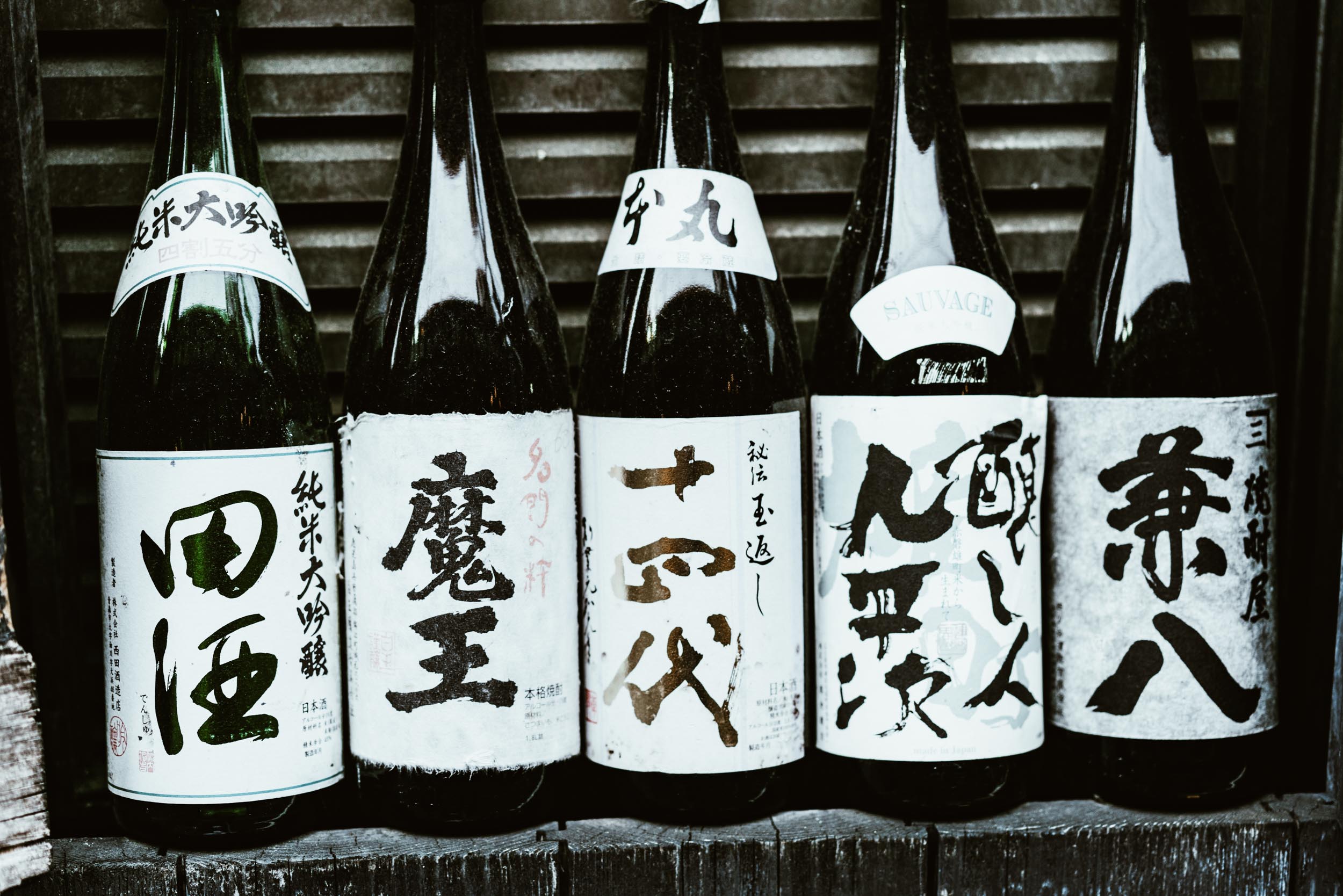
For all fans of Sake and shochu, Sake on Air is the podcast made for you. The experts of this famous Japanese drink share their knowledge in each episode, inviting us to this virtual dinner. In fact, in each episode, we find a different topic such as new trends in manufacturing, stories from producers but not just this. We can also learn about the various flavors, the difference between the rice used and how to combine the various flavors of Sake with food. So, if you are also curious, arm yourself with a glass of wine or your favorite sake and listen to this podcast!

Things to do in Quarantine: create an edible Zen garden
Creating an edible Zen garden
written by: Erika
The world is still in lockdown and in the absence of things to do we can give ourselves crazy joy in the kitchen, that's why today we share a new idea with you, create an edible zen garden!


In Japan there are mixes made specifically to share this experience with the whole family, even together with the little ones. Instead, today we offer you a variant to be created directly at your home with ingredients easily available in any supermarket.
In every self-respecting Zen garden we find rocks, sand or gravel, greenery and some stones to be able to cross it without disturbing its tranquility. By following our instructions, you can recreate exactly this atmosphere.
Step 1: The Rocks
As you well know, a fundamental ornament of the Zen garden are these huge stones present inside. In our recipe, we are going to create stones with simple brownies.
Brownies - Ingredients
|
|
Brownies are easy to make and won't take too long, so start chopping the chocolate coarsely and melt it in a water bath. When it is almost melted, add the soft butter cut into small pieces.
Stir thoroughly until everything melts in a water bath and then remove it from the heat. Then let it cool, stirring it occasionally.
While you wait for the chocolate to cool, take the hazelnuts and let them toast in a preheated oven at 180° for about 7/8 minutes. Once out of the oven, let them cool in order not to burn you, then chop them coarsely and keep them aside.


Let's move on to the next step, put the eggs in a bowl and begin to beat them and then add the sugar. It is not necessary to whip the mixture, but continue to beat only until the sugar is well dissolved. At this point, add a pinch of salt and let it dissolve too. Still with the whips in action, slowly add the chocolate and butter mixture that will have cooled down by now.
As soon as everything is mixed, stop whipping. Take a narrow mesh strainer and sift through the flour. Then, mix everything with a spatula until the flour is absorbed uniformly. Then take the chopped hazelnuts and mix everything.
After having greased and lined a baking sheet, pour the dough inside by leveling it with a spatula so that it is evenly distributed. Bake in a static and preheated oven at 180° for 25 minutes, then take out of the oven and leave to cool. At this point, with a knife, you can create the rock-shaped pieces for your zen garden!
Step 2: The gravel
Another fundamental element for a Zen garden is gravel, a symbol of tranquility and purity. But let's see our suggestions to create this element!
Almond crumble - Ingredients
|
|
With the crumble, we are going to create most of our zen garden so we start by preheating the oven to 180°. As the oven heats up, we take the almonds and start peeling them. Then, we take a baking sheet and place it on the baking tin.
Next, we toast the almonds for 7/8 minutes inside the oven, then let them cool and finely chop them with a knife. Afterward, we take the 0 flour and mix the chopped almonds inside with the brown sugar. When we have an amalgamated mixture, we take the butter and cut it into cubes and then add it inside the same mixture together with the vanilla seeds.

Work the whole mixture with your fingertips until a grainy mixture is obtained. Alternatively, it is also possible to prepare all this with a mixer but the crumbs that we are going to get will be coarser.
At this point, you should have obtained a mixture that is somewhat reminiscent of shortcrust pastry. Leave it to rest in the refrigerator for at least 30 minutes, then spread it on the oven paper and then bake it for about 15 minutes at 180° in a preheated oven. Once the cooking is complete, let it cool and then crumble it inside your dish ready for presentation. Cover everything with icing sugar to recreate the effect of the white gravel typical of Zen gardens.
Step 3: Green
Japan is one of the greenest lands and all major Japanese cities are full of large parks. Of course, even in our edible zen garden you can't miss a green area.
Matcha Chiffon Cake - Ingredients
|
|
This is the most difficult part of our recipe, but don't be afraid, if you follow the instructions step by step you will be able to complete this part too. Let's start by preheating the static oven to 150° and preparing an aluminum cake mold. Make sure this mold is tall enough as our chiffon cake will rise a lot.
Separate the yolks from the egg whites and in a clean bowl add the egg whites with the cream of tartar, whipping the mixture until you get firm crests.


In another bowl sift the green tea, the flour, the baking powder, salt and sugar and with a metal whisk by hand make sure that everything mixes well. In a separate bowl, combine the water, oil and vanilla extract. Once you have everything well mixed, pour the yolks and the mixture with the water and oil into the bowl with the flour and green tea.
Mix everything with the metal whisk by hand until a uniform mixture is obtained. Then transfer 1/4 of the whipped egg whites into your dough and mix with a spatula to lighten all the contents. Whipped egg whites should always be mixed with a movement that starts from the bottom so that they do not lose the whipping. Next, incorporate the rest of the egg whites into three other additions.


When you have the mixture well amalgamated, pour the mixture into the pan that should not be buttered or floured. Put everything in a preheated oven for about 1 hour and 15 minutes and when cooked, remove the pan and turn it immediately upside down.


Let it cool slightly and then remove the cake from the pan. Once ready, you can cut thin slices to decorate your Zen garden.
Step 4: The Pathway
In some Zen gardens, we also find flat stones that allow us to cross the garden leaving it undisturbed. Here is how we will create them.
Mini Meringues - Ingredients
|
The trick in preparing the meringues is all in the eggs, in fact, the trick is to have fresh eggs and at room temperature. Then separate the yolks from the whites, pouring them into a large enough bowl. In this case, we won't use the yolks, but do not waste them and keep them aside, you will surely find a way to use them in the kitchen.
Make sure there are no residual yolks inside the bowl otherwise they will not mount. Then take the electric whips and operate them at medium speed. Alternatively, you can also carry out this process inside a planetary mixer, if available. While you are whipping the eggs, gradually pour the sugar into the bowl together with a few drops of lemon juice.
To create perfect meringues, the egg whites will have to be whipped very firmly and to understand if you are doing everything correctly there are two tests. The first is the visual one, in fact, the mixture must always be shiny and frothy. You can do the second test with the whips. In fact, detaching the latter you should notice a tuft of egg white with the tip. Everything must be similar to a sort of frothy and shiny cloud.


Prepare a baking tray with a baking sheet and then transfer all the mixture into a sac-à-poche with a round hole nozzle. Form small disks from 2 to 4 cm in diameter (this depends on the size of your final zen garden) well spaced apart. Then put them in the static oven preheated to 75° for about 2 hours.
Your meringues will have to dry slowly in the oven and as soon as they are completely dry, take the pan out of the oven and let it cool completely before removing it from the pan.
Step 5: Serving the Zen Garden
Now you can let your imagination run wild and build your edible zen garden according to your preferences! In case you want some ideas, below you will find some reference images. If you decide to try this recipe, send us your photos in the comments below or on our social pages, we are curious to see your creations!
[ngg src="galleries" ids="3" display="basic_thumbnail" thumbnail_crop="0"]Sources: pandispagna.net, giallozafferano.it, Pinterest, Wikipedia

Cose da fare in quarantena: guardare il teatro Kabuki
I classici del teatro Kabuki disponibili gratuitamente online
scritto da: Erika | Fonte: SoraNews24
La pandemia del coronavirus e il lockdown continuano in tutto il mondo, ma oggi condividiamo con voi i classici del teatro Kabuki disponibili online per poter passare il tempo in quarantena.

Le Origini
Per chi non sapesse di cosa stiamo parlando, con il termine kabuki (歌舞伎) si indica un tipo di rappresentazione teatrale sorta in Giappone all'inizio del XVII secolo.
Le origini di questa forma teatrale vengono fatte risalire al 1603 e fanno riferimento a danze eseguite, sulle rive del fiume Kamo a Kyōto. La parola Kabuki è formata da tre ideogrammi: 歌 ka (canto), 舞 bu (danza), 伎 ki (abilità). Gli ideogrammi scelti a formare il nome sono l'equivalente fonetico della parola kabuki, derivata dal verbo kabuku ("essere fuori dall'ordinario"). Questo stava ad indicare l'aspetto e il vestiario in voga al tempo di Toyotomi Hideyoshi e caratteristico dei cosiddetti kabukimono.
In origine, il teatro Kabuki veniva interpretato solo da donne, tuttavia, in seguito alla proibizione per motivi di morale, si passò ad una interpretazione solo maschile anche per le parti femminili. Gli attori specializzati nei ruoli femminili sono chiamati onnagata. Questa tradizione teatrale ammaliò la emergente classe borghese cittadina divenendo di coseguenza una forma popolare. La novità di queste opere consisteva nella rappresentazione di fatti, solitamente drammatici, realmente accaduti. Infatti, spesso tra l'accaduto e la rappresentazione trascorreva pochissimo tempo, costituendo un vero e proprio mezzo di comunicazione di massa.
La struttura
La struttura del Kabuki è molto diversa dallo schema del teatro occidentale e le opere non trattano mai argomenti di ordine generale, questioni esistenziali o riflessioni filosofiche. Quindi sono del tutto assenti monologhi shakespeariani o considerazioni dei protagonisti su questioni di carattere politico. Con trame e caratterizzazione dei personaggi molto fragili, le opere sono spesso confezionate a più mani.
Anche per questo tipo di forma teatrale vale il principio di non assegnare preponderanza alla comunicazione verbale, in opposizione alla cultura occidentale. Infatti, per molto tempo risultava difficile per noi occidentale riuscire a leggere le difficili e sottili situazioni. Le vicende espresse attraverso l'emotività dei singoli personaggi prevalgono sempre sulle considerazioni morali creando una forte tensione emotiva.
5 Ore di teatro Kabuki online

In contrapposizione al teatro Noh e Bunraku, il teatro Kabuki ha risonanza mondiale soprattutto per il tradizionale ed esagerato trucco facciale e costumi drammatici. La maggior parte di queste esibizioni si svolge in luoghi importanti, quindi per assistere ad un'opera Kabuki bisogna essere nel posto giusto, al momento giusto e una possibilità economica a vostra disposizione. Infatti, alcune esibizioni sono così di nicchia che possono solo funzionare per una ripresa, se a questo aggiungiamo la chiusura dei teatri possiamo capire come le problematiche si alzino per questo tipo di arte.
Dopo la cancellazione di Yoshitsune Senbon Zakura (Yoshitsune e i Mille Ciliegi), performance prevista per il 3 marzo, il Teatro Nazionale del Giappone ha colto l'occasione per creare qualcosa di ancora più speciale. Infatti, l'esibizione senza pubblico sarà pubblicata sul canale Youtube del teatro. Divisa in tre video, la rappresentazione teatrale è disponibile per la visualizzazione fino al 30 aprile alle 15:00 JST.
Yoshitsune Senbon Zakura
Yoshitsune Senbon Zakura è composto da cinque atti e richiederebbe due giorni per esibirsi nella sua interezza. In quanto tale, questi video ritraggono la storia in fasi separate. La Performance A copre le parti “Torii Mae”, “Tokaiya” e “Daimotsu-Ura” dell'opera, la performance B comprende le porzioni "Kokingo Uchijinishi", "Shiinoki" e "Sushiya". Invece, la Performance C gestisce il "Michiyuki Hatsune Tabi" e "Kawatsura Hogen Yakata" per un totale di cinque ore di intrattenimento.

Nonostante quest'opera sia una delle epopee antiche più famose, il teatro Kabuki può anche essere godibile con limitate o assenti capacità della lingua giapponese. Infatti, costumi, le esibizioni e la musica d'atmosfera contribuiscono a fornire un ampio contesto. Inoltre, Yoshitsune Senbon Zakura è uno dei tre spettacoli di Kabuki più famosi, quindi il materiale per orientarsi lungo la storia è facilmente reperibile anche per gli stranieri.
Per vedere tutte le performance, controllate il canale YouTube del National Theatre giapponese.

Japan History: Toyotomi Hideyoshi
Toyotomi Hideyoshi, il grande unificatore del Giappone
scritto da: SaiKaiAngel

photo credits: ancient-origins.net
Toyotomi Hideyoshi (17 marzo 1537 - 18 settembre 1598) era un samurai, nonchè daimyō, successore di Oda Nobunaga come “grande unificatore” del Giappone, ponendo fine al periodo Sengoku. Il periodo del suo dominio è chiamato Momoyama, dal nome del castello di Hideyoshi. Sembra che la sua nascita fu nella provincia di Owari, la casa del clan Oda (l'attuale Nagoya nella prefettura di Aichi). Figlio di un contadino-ashigaru di nome Yaemon. Sembra che il suo nome d'infanzia fosse Hiyoshi-maru. Suo padre morì quando Hideyoshi aveva 7 anni.
Hideyoshi fu mandato a studiare in un tempio da giovane, ma rifiutò quella vita per andare a caccia di avventure. Sotto il nome Kinoshita Tōkichirō si unì per la prima volta al clan Imagawa come servitore di un sovrano locale di nome Matsushita Yukitsuna. Ha viaggiato fino alle terre di Imagawa Yoshimoto, daimyō della provincia di Suruga, e lo ha servito solo per fuggire con una somma di denaro affidatagli da Matsushita Yukitsuna.

photo credits: samurai-world.com
Il giovane Toyotomi Hideyoshi guidò un piccolo gruppo per attaccare il castello sul monte Inaba e nel 1558, si unì al clan Oda, guidato da Oda Nobunaga, come ashigaru (lett. "piedi leggeri"che furono impiegati nei conflitti del Giappone feudale dalla casta dei samurai.)
Divenne uno dei portatori di sandali di Nobunaga ed era presente nella battaglia di Okehazama nel 1560 quando Nobunaga sconfisse Imagawa Yoshimoto per diventare uno dei più potenti signori della guerra nel periodo Sengoku. Sembra anche che abbia supervisionato la riparazione del castello di Kiyosu gestendone la cucina.
Nel 1561 Hideyoshi sposò la figlia adottiva di Asano Nagakatsu. Ha effettuato riparazioni sul castello di Sunomata con suo fratello minore Toyotomi Hidenaga, Hachisuka Masakatsu e Maeno Nagayasu. Costruì un forte a Sunomata, di notte scoprendo anche una via segreta verso il Monte Inaba
Assedio al castello di Inabayama
Hideyoshi ebbe molto successo come negoziatore. Nel 1564, riuscì a convincere i signori della guerra Mino a disertare il clan Saitō. Hideyoshi si avvicinò a molti samurai convincendoli a sottomettersi a Nobunaga.
La facile vittoria di Nobunaga al castello di Inabayama nel 1567 fu in gran parte dovuta agli sforzi di Hideyoshi per questo divenne uno dei generali più illustri di Nobunaga, alla fine prendendo il nome di Hashiba Hideyoshi. Il nuovo cognome includeva due personaggi, uno ciascuno degli altri due uomini di Oda, Niwa Nagahide e Shibata Katsuie.
Battaglia di Anegawa
Hideyoshi guidò le truppe nella battaglia di Anegawa nel 1570 in cui Oda Nobunaga si alleò con Tokugawa Ieyasu per assediare due fortezze dei clan Azai e Asakura. Partecipò all'assedio di Nagashima nel 1573 e nello stesso anno, Nobunaga nominò Hideyoshi daimyō di tre distretti nella parte settentrionale della Provincia di Ōmi. Hideyoshi si trasferì a Kunitomo e ribattezzò la città di Nagahama in omaggio a Nobunaga. In seguito Hideyoshi si trasferì nel porto di Imahama sul lago Biwa e prese il controllo della vicina fabbrica di armi da fuoco Kunitomo che era stata istituita alcuni anni prima dagli Azai e dagli Asakura facendo aumentare la sua produzione.
Inoltre, ha combattuto nella battaglia di Nagashino dopodichè Nobunaga mandò Hideyoshi al castello di Himeji per conquistare la regione di Chūgoku dal clan Mori nel 1576.
Nel 1577, combattè nella battaglia di Tedorigawa, nell'assedio di Miki, nell'assedio di Itami (1579) e nell'assedio di Takamatsu del 1582.
Battaglia di Yamazaki e conflitto con Katsuie
Dopo gli omicidi di Honnō-ji di Oda Nobunaga e del suo figlio maggiore Nobutada nel 1582 per mano di Akechi Mitsuhide, Hideyoshi, in cerca di vendetta per la morte del suo amato signore, fece pace con il clan Mōri e sconfisse Akechi nella battaglia di Yamazaki .
Successivamente, essendo in una buona posizione, chiamò il potente daimyo a Kiyosu in modo che potessero determinare l'erede di Nobunaga. Oda Nobukatsu e Oda Nobutaka litigarono, quindi l’erede divenne Samboshi, nipote di Nobunaga. Avendo conquistato il sostegno degli altri due anziani di Oda, Niwa Nagahide e Ikeda Tsuneoki, Hideyoshi prese la posizione di Hidenobu e la sua influenza sul clan Oda. Distribuì le province di Nobunaga tra i generali e formò un consiglio di quattro generali. La tensione tra Hideyoshi e Katsuie sfociò nella battaglia di Shizugatake dell'anno successivo in cui Hideyoshi distrusse le forze di Katsuie. A quel punto Hideyoshi aveva affrontato la maggior parte del clan Oda e il controllo di 30 province.
Costruzione del castello di Osaka
Nel 1582, Hideyoshi iniziò la costruzione del castello di Osaka sul sito del tempio Ishiyama Hongan-ji distrutto da Nobunaga; questo divenne l'ultima roccaforte del clan Toyotomi dopo la morte di Hideyoshi.
Battaglia di Komaki e Nagakute
Oda Nobukatsu, ostile a Hideyoshi, si alleò con Tokugawa Ieyasu e le due parti combatterono nella battaglia di Komaki e Nagakute. Alla fine risultò in una situazione di stallo, anche se le forze di Hideyoshi subirono un duro colpo. Infine, Hideyoshi fece pace con Nobukatsu, ponendo fine al pretesto per la guerra tra i clan Tokugawa e Hashiba. Ieyasu alla fine accettò di diventare un vassallo di Hideyoshi.
Hideyoshi non ha mai ottenuto il titolo di shōgun, ma fece in modo di farsi adottare da Konoe Sakihisa, uno degli uomini più nobili appartenenti al clan Fujiwara e assicurò una successione di titoli di alta corte tra cui, nel 1585, la prestigiosa posizione di Imperial Regent (kampaku). Nel 1586, Hideyoshi ricevette ufficialmente il nome del nuovo clan Toyotomi dalla corte imperiale e costruì, il Jurakudai, un sontuoso palazzo, nel 1587 intrqattenendo l'imperatore regnante, Go-Yōzei, l'anno successivo.
Giappone unificato sotto Toyotomi Hideyoshi
Successivamente, Hideyoshi soggiogò la provincia di Kii e conquistò Shikoku sotto il clan Chōsokabe. Assunse poi il controllo della provincia di Etchū conquistando anche Kyūshū.
Nel 1587 Hideyoshi bandì i missionari cristiani da Kyūshū per esercitare un maggiore controllo sui daimyōs Kirishitani.
Nel 1588 proibì ai comuni contadini di possedere armi e iniziò a confiscarle. Le spade furono fuse per creare una statua del Buddha. Questa misura fermò efficacemente le rivolte dei contadini e assicurò una maggiore stabilità a spese della libertà dei singoli.
Assedio di Odawara
L'assedio di Odawara del 1590 contro il clan Hōjō nella regione di Kantō eliminò l'ultima resistenza all'autorità di Hideyoshi. La sua vittoria significò la fine del periodo Sengoku. Durante questo assedio, Hideyoshi offrì a Ieyasu le otto province governate da Hōjō nella regione di Kantō in cambio della sottomissione delle cinque province di Ieyasu che accettò questa proposta.
Nel febbraio del 1591, Hideyoshi ordinò a Sen no Rikyū di suicidarsi, probabilmente in uno dei suoi scoppi d'ira. Rikyū era stato un fidato sostenitore e maestro della cerimonia del tè sotto Hideyoshi e Nobunaga apportò inoltre cambiamenti significativi all'estetica della cerimonia del tè che ebbe un'influenza duratura su molti aspetti della cultura giapponese. Anche dopo la morte di Rikyū, si dice che Hideyoshi abbia costruito i suoi numerosi progetti di costruzione basati sull'estetica promossa da Rikyū, forse suggerendo che si pentì delle sue azioni.
Dopo la morte di Rikyū, Hideyoshi portò la cerimonia del tè a Noh, che aveva studiato da quando era diventato reggente imperiale.
La stabilità della dinastia Toyotomi dopo la morte di Hideyoshi fu messa in dubbio con la morte di suo figlio Tsurumatsu nel settembre del 1591. Il bambino di tre anni era il suo unico figlio. Quando il suo fratellastro Hidenaga morì poco dopo, Hideyoshi nominò suo nipote Hidetsugu suo erede, adottandolo nel gennaio del 1592. Hideyoshi si dimise come kampaku per ottenere il titolo di taikō e Hidetsugu gli successe come kampaku.
Houkokubyo (Mausoleo di Toyotomi Hideyoshi) Higashiyama-ku, Kyoto
Nel momento in cui la sua salute cominciava a vacillare, Hideyoshi ha portato avanti il sogno di Oda Nobunaga, quello di una conquista giapponese fino alla Cina, arrivando alla dinastia Ming attraverso la Corea.
Hideyoshi chiese ai coreani un passaggio per la Cina nel 1587, ma ottenne un rifiuto, perchè la Corea era alleata con la Cina e nell'aprile e luglio del 1591 rifiutò anche la richiesta di passaggio attraverso la Corea per paura di mettere a rischio la sicurezza. Quindi, nell'agosto del 1591, Hideyoshi ordinò che iniziassero i preparativi per un'invasione della Corea.

photo credits: flickr.com
Prima campagna contro la Corea
Nella prima campagna, Hideyoshi nominò Ukita Hideie come maresciallo e lo fece entrare nella penisola coreana nell'aprile del 1592. Konishi Yukinaga a quel punto occupò Seoul il 19 giugno. Dopo la caduta di Seoul , I comandanti giapponesi hanno tenuto un consiglio di guerra e hanno determinato obiettivi di sottomissione chiamati Hachidokuniwari da ciascun corpo. In soli quattro mesi, le forze di Hideyoshi fecero rotta verso la Manciuria e occuparono gran parte della Corea. Il re coreano Seonjo fuggì a Uiju e chiese l'intervento militare dalla Cina. Nel 1593, l'imperatore Wanli di Ming China inviò un esercito sotto il generale Li Rusong per bloccare la prevista invasione giapponese della Cina e riconquistare la penisola coreana. L'esercito Ming di 43.000 soldati guidati da Li Ru-Song ha continuato ad attaccare Pyongyang.
Il 7 gennaio 1593, le forze di soccorso di Ming sotto Li catturarono ancora Pyongyang e circondarono Seoul, ma Kobayakawa Takakage, Ukita Hideie, Tachibana Muneshige e Kikkawa Hiroie vinsero la Battaglia di Byeokjegwan nella periferia di Seoul. Alla fine della prima campagna, l'intera marina giapponese fu distrutta dall'ammiraglio Yi Sun-sin della Corea, la cui base era situata in una parte della Corea che i giapponesi non potevano controllare. Questo, in effetti, mise fine al sogno del Giappone di conquistare la Cina poiché i coreani semplicemente distrussero la capacità del Giappone di rifornire nuovamente le loro truppe impantanate a Pyongyang.
Disputa di successione
La nascita del secondo figlio di Hideyoshi nel 1593, Hideyori, creò un problema di successione. Per evitarlo, Hideyoshi esiliò suo nipote ed erede Hidetsugu sul Monte Kōya e poi gli ordinò di suicidarsi nell'agosto del 1595. I membri della famiglia di Hidetsugu che non seguirono il suo esempio furono poi assassinati a Kyoto.
Nel gennaio del 1597, Toyotomi Hideyoshi fece arrestare ventisei cristiani come esempio di giapponesi che volevano convertirsi al cristianesimo. Sono conosciuti come i ventisei martiri del Giappone. Includevano cinque missionari francescani europei, un missionario francescano messicano, tre gesuiti giapponesi e diciassette laici giapponesi, tra cui tre giovani ragazzi. Il 5 febbraio furono giustiziati a Nagasaki per crocifissione pubblica.
Seconda campagna contro la Corea
Dopo diversi anni di trattative Hideyoshi nominò Kobayakawa Hideaki per condurre una rinnovata invasione della Corea, ma i loro sforzi sulla penisola ottennero meno successo. Le truppe giapponesi rimasero bloccate nella provincia di Gyeongsang. Nel giugno del 1598, le forze giapponesi respinsero diverse offensive cinesi a Suncheon e Sacheon, ma non furono in grado di compiere ulteriori progressi mentre l'esercito Ming si preparava per un assalto finale. I coreani hanno continuamente molestato le forze giapponesi, mentre la battaglia di Hideyoshi a Sacheon fu una grande vittoria del Giappone.
Toyotomi Hideyoshi morì il 18 settembre 1598. Era delirante e le sue ultime parole, consegnate ai suoi generali più vicini, furono “Dipenderò da voi per tutto. Non ho altri pensieri da lasciare alle spalle. È triste separarsi da voi ''. La sua morte è stata tenuta segreta dal Consiglio dei Cinque Anziani per preservare il morale e alle forze giapponesi in Corea è stato ordinato di ritirarsi in Giappone dal Consiglio dei Cinque Anziani (Tokugawa Ieyasu, Maeda Toshiie , Uesugi Kakekatsu, Mori Terumoto, Ukita Hideie).
Visto che non erano riuscite a catturare la Corea, le forze di Hideyoshi non furono in grado nemmeno di raggiungere la Cina. La forza di combattimento si esaurì, i suoi vassalli in contrasto sulla responsabilità per il fallimento e i clan che erano fedeli al nome Toyotomi si indebolirono. Il sogno di una conquista giapponese della Cina è stato messo in attesa indefinitamente. Il governo Tokugawa in seguito non solo proibì ulteriori spedizioni militari nella terraferma asiatica, ma chiuse il Giappone a quasi tutti gli stranieri durante gli anni dello shogunato di Tokugawa. Fu solo alla fine del 19° secolo che il Giappone combatté di nuovo una guerra contro la Cina attraverso la Corea, usando più o meno lo stesso percorso usato dalla forza di Hideyoshi.
Dopo la sua morte, gli altri membri del Consiglio dei cinque reggenti non furono in grado di tenere sotto controllo le ambizioni di Tokugawa Ieyasu.

photo credits: jekyoto.wordpress.com
L'eredità culturale di Toyotomi Hideyoshi
Toyotomi Hideyoshi ha cambiato la società giapponese in molti modi.
Le riforme di classe hanno interessato cittadini e guerrieri. Durante il periodo Sengoku, era diventato comune che i contadini diventassero guerrieri o che i samurai coltivassero a causa della costante incertezza causata dalla mancanza di governo centralizzato e da una pace sempre provvisoria. Dopo aver preso il controllo, Hideyoshi decretò che tutti i contadini fossero completamente disarmati e che i samurai lasciassero la terra per stabilirsi nelle città del castello. Ciò ha rafforzato il sistema di classi sociali per i successivi 300 anni.
Inoltre, ha ordinato un censimento completo del Giappone. Dopo questo, chiese a tutti i giapponesi di rimanere nei rispettivi han (feudi) a meno che non avessero ottenuto il permesso ufficiale di andare altrove.
Nel 1590, Hideyoshi completò la costruzione del Castello di Osaka, il più grande di tutto il Giappone, per proteggere gli approcci occidentali a Kyoto. Nello stesso anno, vietò il "lavoro non libero" e la schiavitù, ma le forme di contratto e di lavoro forzato andarono avanti ugualmente.
Hideyoshi ha anche influenzato la cultura materiale del Giappone. Ha speso tempo e denaro per la cerimonia del tè, collezionando strumenti, sponsorizzando sontuosi eventi sociali e patrocinando acclamati maestri. Man mano che l'interesse per la cerimonia del tè cresceva tra la classe dirigente, non solo furono confiscate grandi quantità di preziosi articoli in ceramica, ma molti artigiani coreani furono trasferiti con la forza in Giappone.
Ispirato all'abbagliante padiglione d'oro di Kyoto, fece costruire la Golden Tea Room, che era coperta con una foglia d'oro e foderata all'interno con un gossamer rosso. Usando questa innovazione mobile, è stato in grado di praticare la cerimonia del tè ovunque andasse, proiettando con forza il suo potere e lo status senza pari al suo arrivo.
Politicamente, ha istituito un sistema governativo che ha bilanciato i più potenti signori della guerra giapponesi. Fu creato un consiglio per includere i signori più influenti.
Poco prima della sua morte, Hideyoshi sperava di istituire un sistema abbastanza stabile per sopravvivere fino a quando suo figlio non fosse divenuto abbastanza grande da diventare il prossimo leader. Fu formato un Consiglio dei Cinque Anziani (go-tairō), composto dai cinque daimyō più potenti. Dopo la morte di Maeda Toshiie, tuttavia, Tokugawa Ieyasu iniziò a stringere alleanze, compresi i matrimoni politici. Alla fine, le forze pro-Toyotomi hanno combattuto contro i Tokugawa nella battaglia di Sekigahara. Ieyasu vinse e ricevette il titolo di Seii-Tai Shōgun due anni dopo.
Gli altri nomi di Toyotomi Hideyoshi
Alla nascita, gli fu dato il nome Hiyoshi-Maru. A genpuku, prese il nome Kinoshita Tōkichirō. Più tardi, gli fu dato il cognome Hashiba e l'ufficio della corte onoraria Chikuzen no Kami; di conseguenza, è stato designato Hashiba Chikuzen no Kami Hideyoshi.
Toyotomi Hideyoshi aveva ricevuto il soprannome di Kozaru, che significa "piccola scimmia", dal suo signore Oda Nobunaga perché i suoi lineamenti del viso e la sua forma magra somigliavano a quelli di una scimmia. Era anche conosciuto come il "ratto calvo".
Hideyoshi lasciò un'eredità influente e duratura, tra cui la restrizione al possesso di armi da parte del samurai, la costruzione e il restauro di molti templi, alcuni dei quali sono ancora visibili a Kyoto, e le invasioni giapponesi della Corea (1592-1598).